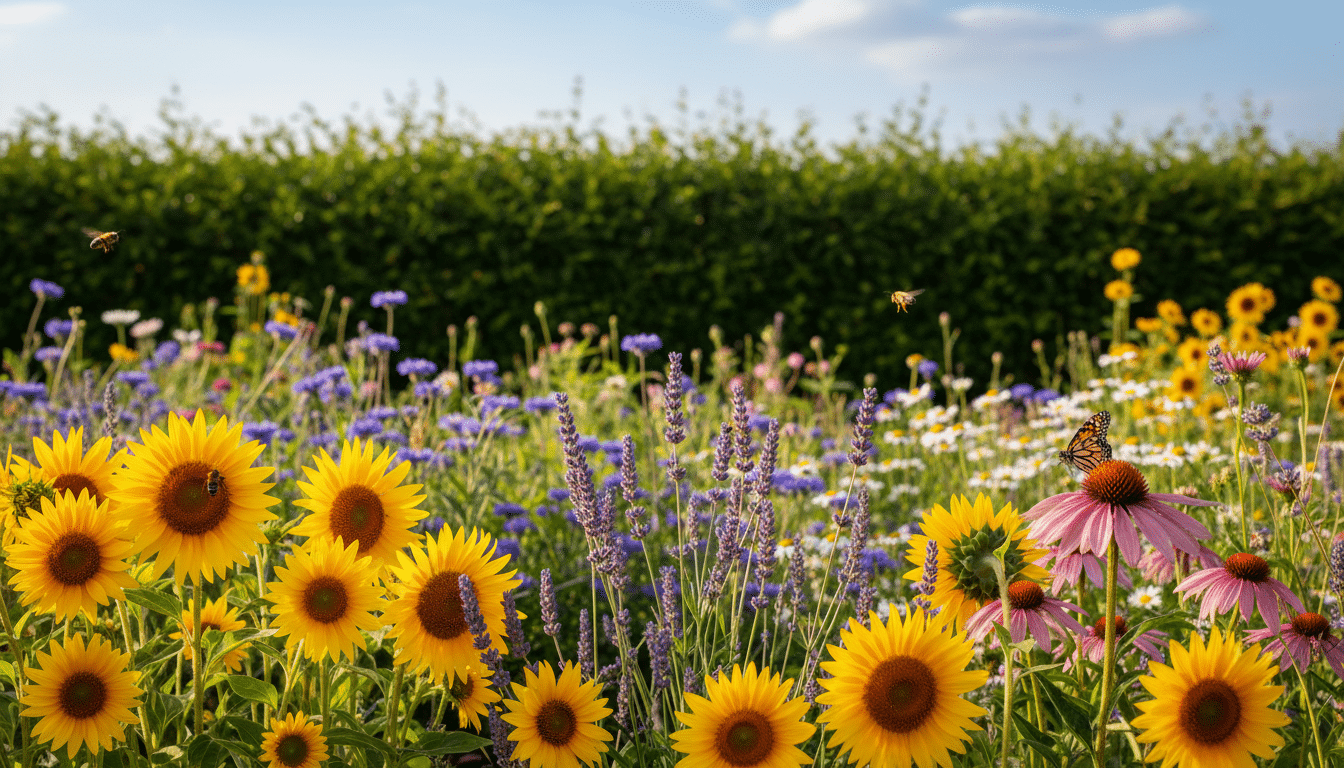
What if a single choice in your garden could help sustain an entire local ecosystem?
Our backyards are more than just pretty spaces. They are vital hubs for bees, butterflies, and other essential wildlife. By selecting the right flora, you provide the high-quality nectar and pollen these creatures desperately need.
For instance, Proven Winners highlights the Suncredible Yellow sunflower as a champion for this cause. This specific variety offers an abundant food source for various beneficial insects throughout the season.
This guide is your first step. We’ll show you how to transform your outdoor area into a buzzing, thriving sanctuary. You’ll support biodiversity and give your local environment a significant health boost.
Key Takeaways
- Your garden can play a crucial role in supporting local ecosystems and boosting biodiversity.
- Choosing the right plant varieties ensures a consistent, high-quality food source for visiting wildlife.
- Specific selections, like the Suncredible Yellow sunflower, are proven to be exceptionally effective.
- Creating a pollinator sanctuary helps ensure your backyard is vibrant with life all season long.
- Supporting these beneficial insects is a direct contribution to environmental health.
- Our comprehensive list will guide you in making the best choices for your space.
Introduction to Pollinator-Friendly Gardening
The secret to a thriving garden lies in fostering a symbiotic relationship with nature’s hardest workers.
Your outdoor space can become a vital hub for bees, butterflies, and other essential creatures. This approach directly supports local ecosystems.
Why Pollinators Matter for Your Garden
Nearly all food crops need these beneficial insects and animals. They ensure genetic diversity and produce the fruits we eat.
A healthy landscape depends on this partnership. Insects transfer pollen between every single bloom. Without them, ecosystems would struggle.
Your home plot becomes a critical conservation site.
An Overview of Essential Pollinator Plants
Selecting the right flora guarantees a reliable food source. Understanding local visitor needs is the first step.
This creates a sustainable and thriving environment. For ideas on compact varieties, see our guide to petite garden blooms.
Choosing diverse species ensures season-long support. Consider these primary categories when planning.
| Plant Type | Key Feature | Primary Visitor |
|---|---|---|
| Native Perennials | Deep nectar sources | Native Bees |
| Annuals | Continuous color | Butterflies |
| Flowering Shrubs | Shelter and food | Hummingbirds |
Each group offers unique benefits. Mixing them builds a resilient habitat.
Your efforts make a real difference for biodiversity.
Understanding Pollinator Traits and Plant Characteristics
The dance between a plant and its pollinator is a finely tuned exchange of color, scent, and shape. Each species has evolved specific characteristics to ensure a successful partnership.
This mutual relationship guarantees the transfer of vital pollen and provides essential food.
Key Flower Features that Attract Bees and Butterflies
Bees are visual foragers. They seek out purple, blue, orange, or yellow blooms. These insects need easy access to nectar.
They favor short-tubed shapes that match their mouthparts. This design lets them collect food efficiently.
Butterflies, in contrast, require a flat landing pad. They sip sweet liquid while perched. Their preferred palette includes white, pink, and red hues.
How Color, Scent, and Shape Influence Attraction
Floral traits act as targeted signals. Vibrant colors act like a beacon. Sweet scents guide visitors from a distance.
The physical form of a flower determines who can feed. For example, hummingbirds seek tubular red blooms.
Including a diverse mix of forms supports more wildlife. Consider adding beautiful black and white blooms for contrast.
| Pollinator | Preferred Colors | Ideal Shape |
|---|---|---|
| Bees | Purple, Blue, Orange | Short Tubes |
| Butterflies | White, Pink, Red | Flat Landing Area |
| Hummingbirds | Red, Yellow, Purple | Long Tubular |
By matching plant traits to visitor needs, you create a highly effective habitat. Your garden becomes a bustling resource center.
Creating the Ideal Habitat for Pollinators
Your yard’s layout directly influences its ability to sustain a diverse community of insects and birds. A successful design goes beyond simply adding a few colorful blooms. It constructs a complete, supportive environment.
This approach ensures every visitor finds the resources they need to thrive.
Designing Your Garden Layout
Strategic placement is key. Group your plants in clusters to create a powerful visual target. This makes foraging efficient for bees.
Consider the height and spread of each species. Layering different sizes ensures every corner of your garden is productive. Taller varieties provide shelter, while lower ones offer easy access.
This thoughtful arrangement guarantees continuous food and cover throughout the seasons.
Integrating Native Plants and Trees
Including local species is a game-changer. Every native plant you introduce helps restore the local ecosystem. These species provide specialized resources local insects rely on.
Trees from your region offer essential shelter and nesting sites. They add crucial structural diversity to your habitat. This supports a wider range of wildlife than non-native options alone.
Focusing on this selection builds a resilient environment. It requires less care while offering maximum support for local pollinators.
Benefits of Using flowers that attract pollinators
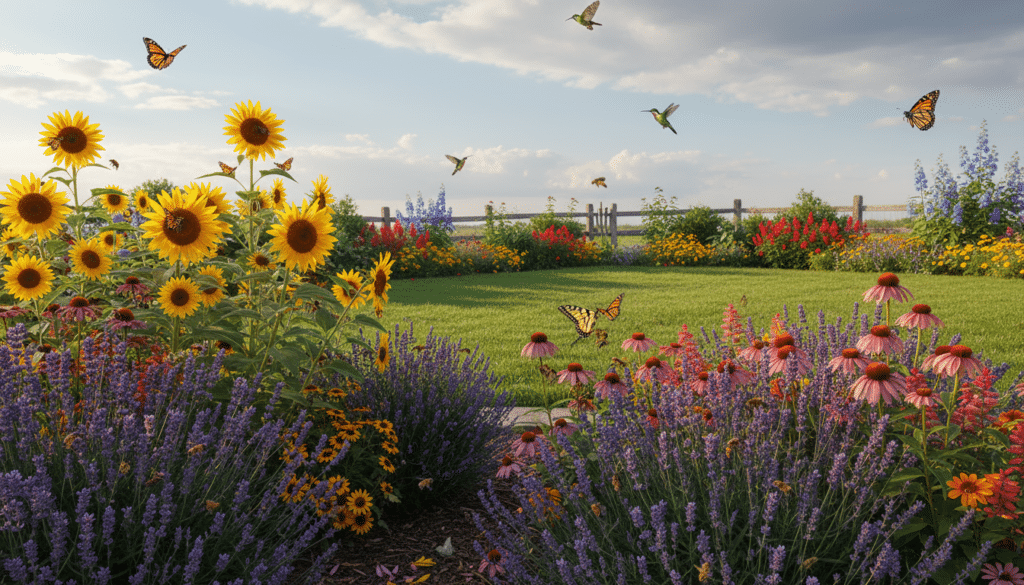
Every bloom you plant contributes to a larger network of life, directly countering the decline of essential wildlife. With habitat loss causing severe population drops, your yard becomes a vital refuge. This simple act strengthens the entire local environment.
Your outdoor space transforms into a dynamic, living system. It encourages natural processes that benefit you and the ecosystem.
Enhancing Garden Health and Biodiversity
Choosing the right plants creates a cascade of positive effects. Beneficial insects arrive to manage pests naturally. Your fruit and vegetable production improves significantly.
This increased diversity supports a balanced and thriving outdoor garden. You provide a critical safety net for species in decline.
| Garden Benefit | How It Works | Result for Wildlife |
|---|---|---|
| Natural Pest Control | Encourages predatory insects | Reduces need for chemicals |
| Improved Pollination | Increases fruit and seed set | Boosts food sources |
| Biodiversity Support | Offers varied food and shelter | Stabilizes local ecosystems |
| Conservation Refuge | Provides habitat amidst loss | Supports declining populations |
Your efforts contribute to a larger conservation mission. You help protect the creatures responsible for global food security. Observe the fascinating interactions between bees, butterflies, and other visitors right outside your door.
Exploring Top Perennial Flowers for Pollinator Support
A garden built on perennial varieties establishes a dependable pantry for essential insects across seasons. These reliable plants come back stronger each year, forming the resilient core of a supportive landscape.
Seasonal Blooms and Long-Term Benefits
Strategic perennial selections provide a continuous banquet. For instance, ‘Serendipity’ allium offers sweet nectar from early spring well into the summer months.
This reliable food source is perfect for honey bees and bumble bees. Other stars, like ‘Leading Lady Plum’ bee balm, bloom from late spring to fall.
They supply a steady feast for hummingbirds and butterflies. Including a wide variety ensures your space remains productive.
Milkweed is a non-negotiable host plant. It serves as the sole food for monarch butterfly larvae while supporting many bees.
Meanwhile, aster blossoms become a critical fuel stop in autumn. Endangered monarchs rely on this nectar to power their long migration south.
Choosing these enduring plants creates a legacy of support. Your efforts yield greater benefits with every passing year.
The Role of Annuals in a Vibrant Pollinator Garden
To ensure a steady parade of winged visitors, incorporate annuals that bloom tirelessly through the warmest months of summer.
These quick-growing plants provide an instant source of nectar. They support a wide range of beneficial insects all season long.
Borage is a perfect example. This herb produces vivid blue, star-shaped blooms. It draws hoverflies, honey bees, and other bee species.
‘Candy Stripe’ cosmos offer large, open-faced blossoms. This design makes it easy for many types of bees and butterflies to access food.
Zinnias are another excellent choice. Single-petaled varieties often produce more nectar than double blooms. They bring a variety of pollinators to your yard.
Planting annuals allows you to fill gaps in your garden. You can guarantee food for every butterfly and bee until the first frost.
These vibrant selections are essential for maintaining a continuous supply. They are especially crucial during the peak heat of the summer.
Choosing the Perfect Shrubs for a Buzzing Landscape
Think of shrubs as the multi-story apartment buildings in your garden’s bustling city. They provide essential structure, shelter, and a reliable food source that lasts for years.
These woody plants create a permanent framework. Your landscape gains height and depth, offering niches for many different species.
Native Shrubs and Their Ecological Importance
Local trees and shrubs form the backbone of a healthy ecosystem. They have evolved alongside local wildlife, providing exactly what they need.
The Sugar Shack button bush is a perfect example. This US native grows 5 to 12 feet tall.
Its fragrant white flowers are magnets for hummingbirds, bees, and various butterflies. Oakleaf hydrangeas offer showy blooms for nectar. Their peeling bark creates winter shelter for insects.
Seasonal Considerations for Shrub Selection
Plan your selections to ensure a continuous supply of resources. Summersweet, for instance, is a deciduous shrub that blooms in mid to late summer.
It provides a critical late-season feast when other flowers fade. This strategic timing supports bees and butterflies preparing for colder months.
By choosing a mix of native shrubs, you build a resilient, long-term habitat. Your garden becomes a dependable sanctuary season after season.
Caring for Your Flowering Plants to Maximize Pollination
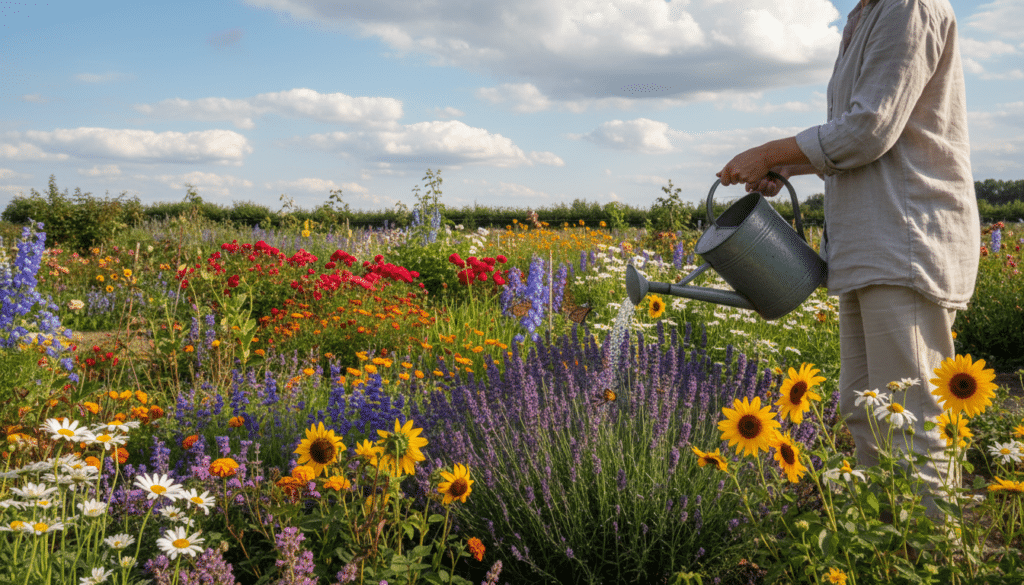
Your gardening routine holds the key to unlocking a continuous feast for visiting wildlife. Simple, consistent care directly translates into a more abundant and reliable food source.
When your garden specimens are thriving, they produce the best resources for every bee and butterfly.
Nurturing Nectar and Pollen Sources
Healthy growth starts with fundamentals. Ensure your specimens receive adequate water and full sunlight. This fuels the production of high-quality nectar and pollen.
Regular deadheading is a powerful trick. Removing spent blooms encourages your plants to produce more flowers. This extends the vital food supply from spring straight through the hot summer.
Avoid using harsh chemical pesticides or herbicides. These can harm the very insects you aim to support. Instead, opt for organic solutions to manage pests.
Mulching around the base of your plants is a smart move. It retains crucial soil moisture and suppresses weeds. This creates a stable environment for robust growth during dry spells.
| Core Care Practice | Primary Purpose | Benefit for Pollinators |
|---|---|---|
| Consistent Watering | Maintain plant health & turgor | Ensures ample, high-sugar nectar |
| Strategic Deadheading | Promote continuous blooming | Provides a longer feeding season |
| Organic Pest Management | Control pests without toxins | Protects bee and butterfly health |
| Applying Mulch | Conserve soil moisture & temperature | Supports steady resource production |
By providing this healthy environment, you build a strong foundation. Your garden becomes a dependable hub capable of supporting a diverse array of local pollinators.
Designing a Backyard Oasis for Bees, Butterflies, and Insects
A complete backyard oasis meets every basic need of its tiny, winged residents. It goes beyond offering a meal. Your space must provide shelter, water, and safe breeding grounds to truly thrive.
Creating a Year-Round Habitat
Start by adding a simple water source. A shallow dish with pebbles gives bees and butterflies a safe place to drink. Next, consider nesting sites. Many native insects need bare soil or hollow stems to lay eggs.
Plant selection is crucial for a continuous food supply. Choose species that bloom from early spring into late summer. This guarantees nectar when it’s needed most.
Leave a corner of your yard a little wild. Undisturbed, sunny soil is perfect for ground-nesting bees. These essential workers will thank you.
Layered planting protects butterflies from wind. Tall shrubs and grasses create a complex habitat. This offers hiding spots from predators all year.
| Habitat Element | How to Provide | Key Beneficiaries |
|---|---|---|
| Water Source | Shallow dish with stones | Bees, Butterflies |
| Nesting Sites | Bee hotels, bare ground | Native Solitary Bees |
| Seasonal Blooms | Mix of early & late flowers | All Pollinating Insects |
| Undisturbed Areas | Leave some soil unmulched | Ground-Nesting Bees |
| Structural Diversity | Use plants of varying heights | Butterflies for shelter |
Combine these elements thoughtfully. Your garden transforms into a true sanctuary. It supports life through every season.
Incorporating Edible and Aromatic Plants for Added Benefits
Why choose between a decorative garden and a productive one when you can cultivate plants that excel at both?
Many herbs and ornamentals serve a dual purpose. They provide beautiful flowers for local wildlife while also offering harvests for your kitchen or medicine cabinet.
Companion Planting Ideas for a Multi-Use Garden
Interplant aromatic herbs with your vegetables. This strategy confuses common pests with strong scents.
More importantly, it brings essential bees and butterflies directly to your crops. These visitors ensure thorough pollen transfer for a bigger harvest.
Culinary and Medicinal Advantages
Lavender is a prime example. Its fragrant spikes are beloved by insects. You can also use them in baking, teas, or soothing sachets.
Many medicinal herbs bloom profusely from spring through summer. They create a long-lasting buffet while providing home remedies.
| Plant Type | Primary Garden Benefit | Key Pollinator Support |
|---|---|---|
| Lavender | Aromatic, culinary, & medicinal herb | Bees & Butterflies |
| Basil | Edible leaves, repels pests | Small bees & beneficial insects |
| Borage | Edible flowers, improves soil | Honey bees & Bumblebees |
| Calendula | Skin-soothing petals, long bloom | Butterflies & Hoverflies |
Leveraging Local Resources and Plant Databases
Don’t guess which plants will thrive—use trusted guides to build a scientifically-backed habitat. The right information turns your garden plan from a hopeful sketch into a blueprint for success.
Exploring USDA PLANTS and Native Plant Societies
The USDA PLANTS Database is a powerful, free tool. It offers standardized facts on thousands of plants, from trees to lichens, across the U.S.
This resource helps you verify growth habits and native ranges. For hands-on local advice, connect with a native plant society. These groups know the best nurseries for regional native plant options.
Using Online Guides to Select the Best Varieties
Specialized books provide curated lists. 100 Plants to Feed the Bees highlights top species for supporting bees.
For warmer climates, the guide Plants in Tropical Cities showcases 2,800 options. It helps you pick the perfect variety.
Using these tools ensures every choice supports local pollinators. You create a vibrant sanctuary with confidence.
Conclusion
Transforming your outdoor space into a haven for essential wildlife is a rewarding achievement. We hope our curated list inspires you to build a thriving sanctuary for bees, butterflies, and birds right at home.
Selecting the right plant species guarantees a reliable food source. Your garden can offer vital nourishment from the first warm days of spring straight through the heat of summer.
Every small effort you make supports these crucial pollinators. This contribution bolsters the health of our global environment and secures the success of our food crops.
To continue your journey, explore resources like “25 Butterfly Garden Plants & Flowers.” They offer deeper insights for a sustainable and beautiful landscape.
Thank you for your dedication to protecting bees and butterflies. Your commitment makes our world more vibrant and productive.
