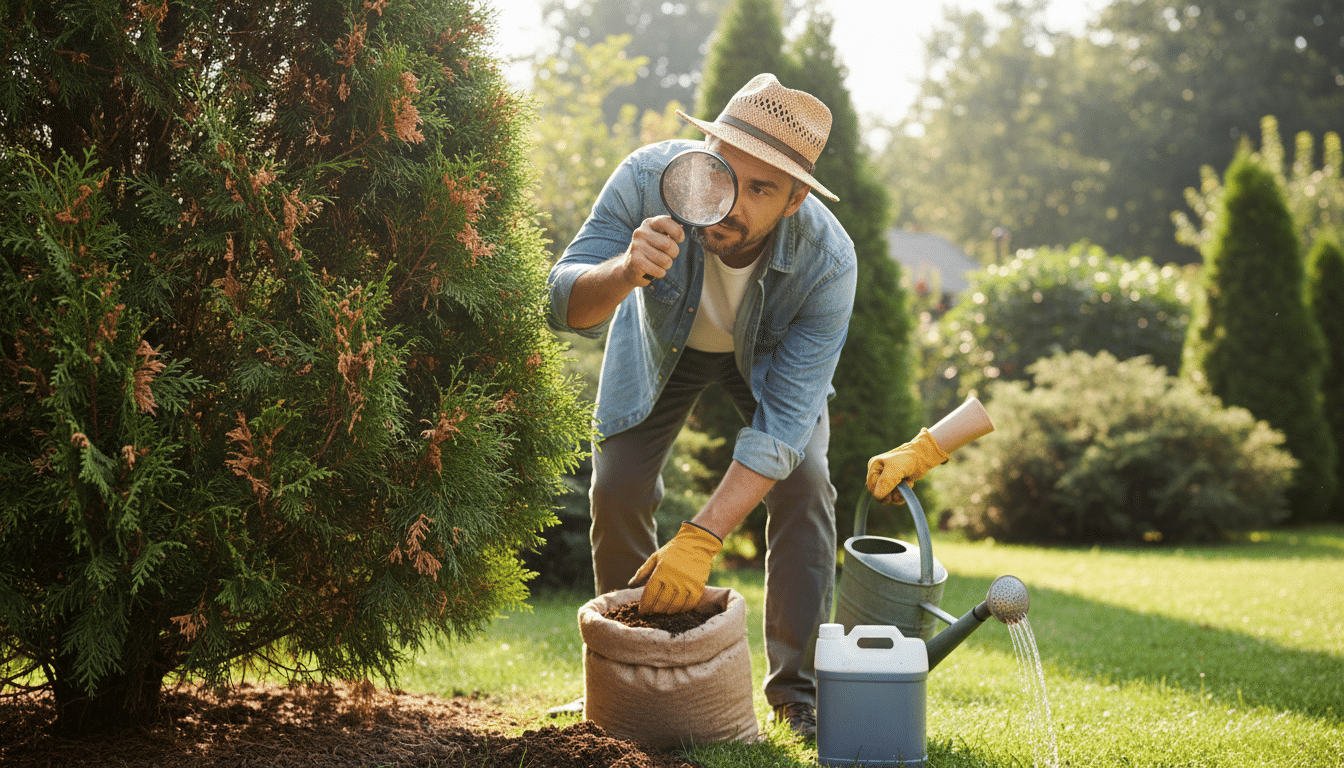
Have you ever noticed your vibrant evergreen privacy screen suddenly turning a dull, sickly brown? It is a frustrating sight that many homeowners face when their favorite landscape additions begin to struggle.
Understanding the root cause of these health issues is the first step toward a lush garden. Whether it is a fungal infection or environmental stress, acting at the right time can save your yard.
You want your trees to stay healthy throughout the entire year. Identifying common problems ensures your knowledge of arborvitae diseases helps you protect your investment.
This guide offers a clear action plan for effective arborvitae disease treatment. By following these proven methods, you can restore the vibrant beauty of your trees and outdoor space.
Key Takeaways
- Learn to distinguish between fungal infections and seasonal environmental stress.
- Identify early warning signs like browning needles or branch dieback.
- Discover the best seasonal care routines for spring, summer, and fall.
- Understand how proper watering and mulching prevent root-related problems.
- Recognize when it is time to consult a professional certified arborist.
- Implement proven methods to maintain year-round evergreen health.
Understanding Arborvitae Health Problems
Managing the wellness of your evergreens starts with recognizing what makes them struggle in the first place. These arborvitae species are famous for their natural ability to resist many pests and common ailments.
They typically focus most of their energy on building strong defenses to stay green and vibrant. However, when these trees face significant stress, their natural protection begins to fade quickly.
Fungal Diseases vs. Environmental Stress
Most problems you see fall into two specific categories: biological pathogens or environmental factors. A fungus like Phyllosticta or Pestalotiopsis usually takes advantage of a weakened plant rather than attacking a healthy one.
In contrast, environmental issues happen when the physical surroundings become too harsh for the species to handle. You might notice brown tips or thinning foliage caused by extreme weather rather than a spreading infection.
| Issue Type | Common Examples | Main Cause |
|---|---|---|
| Pathogens | Needle Blight, Fungus | Opportunistic infections |
| Abiotic | Winter Burn, Drought | Weather and Soil |
Why Your Arborvitae Trees Get Sick
Infections often occur as a result of physical injury or improper care routines. If you perform aggressive pruning, you may accidentally create open wounds that invite disease into the tree.
Poor soil conditions and extreme winter winds also play a major role in declining health. When the ground freezes solid, the roots cannot absorb water, which halts healthy growth and causes needles to dry out.
Improving growing conditions is just as important as treating active infections for long-term health.
By focusing on proper watering and site selection, you ensure your arborvitae remains strong throughout the seasons. Keeping the root zone hydrated during dry spells is the best way to prevent future complications.
Identifying Common Arborvitae Diseases
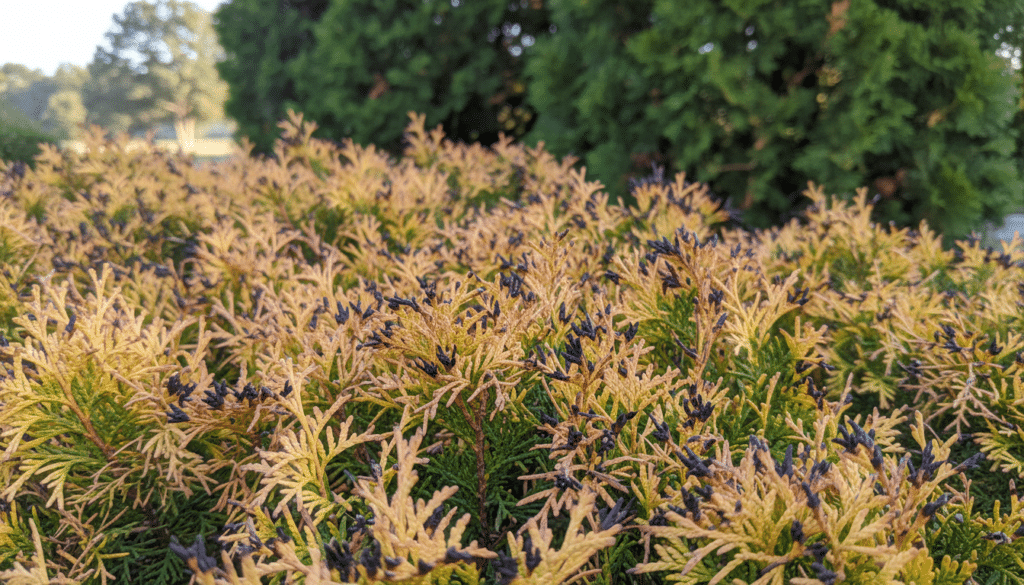
Learning to recognize the specific patterns of discoloration on your evergreens is the first step toward a successful cure. You need to look closely at the needles and stems to tell the difference between a simple lack of water and a serious fungus problem. To keep your yard looking its best, it helps to understand the common diseases of arborvitae that might strike your tree at any time.
Needle Blight from Phyllosticta and Pestalotiopsis
Phyllosticta fungus causes needle tips to turn pale green or yellow. You will notice the infection starts at the very end of the needle and slowly moves toward the base. During wet weather, tiny black pads called pycnidia will rupture through the surface to release spores.
Pestalotiopsis is a more aggressive fungus that often enters through pruning wounds. It causes rapid dieback that can kill small stems. If you see sudden localized death after trimming, this could be the culprit.
Berckmann’s Blight
You can recognize Berckmann’s blight by its distinct timing and color. It usually appears in late spring, causing branch ends to turn brown. As the disease moves down the branches, the foliage will begin to look grayish and dull.
Check the affected areas for tiny black fruiting bodies hidden among the scales. This disease thrives in high humidity and can quickly make a healthy shrub look ragged. Keeping the air moving around your plants can help prevent this issue.
Winter Burn and Browning Issues
Winter burn happens when the sun shines on cold days. The sun warms the foliage, causing it to lose water while the root system is still frozen and unable to drink. This leads to a dry browning on the side of the arborvitae facing the sun.
“Plants are the silent witnesses of our seasonal changes, and their health reflects the harshness of the elements they endure.”
This type of winter injury usually affects the south or west sides of the plant. You will see the most color change at the outer edges where exposure is highest.
Drought Stress and Root Damage
If your tree shows general browning all over, it may be suffering from moisture loss. Drought stress occurs when the plant cannot keep up with high temperatures. Physical damage to the base of the plant from digging or animals can also stop water from reaching the top.
| Symptom | Likely Cause | Primary Timing |
|---|---|---|
| Tip browning (S/W side) | Winter Burn | Late Winter/Spring |
| Grayish needles | Berckmann’s Blight | Late Spring |
| Yellowing from tips | Phyllosticta | Wet Weather |
Be careful when working near your shrubs, as trunk wounds can be fatal. If damage affects more than 25% of the bark’s circumference, the plant will struggle to survive.
Arborvitae Disease Treatment Methods
You can restore the health of your evergreen hedge by applying several proven arborvitae disease treatment methods. Dealing with a sick tree often requires a two-step approach involving physical removal and protective sprays. By acting quickly, you ensure your landscape remains vibrant and healthy throughout the year.
Prune and Remove Infected Plant Parts
The first step in your recovery plan is pruning out all infected branches and parts. These dead areas often harbor fungi that survive the cold season and wait to attack new growth. Removing them reduces the amount of disease present in your garden.
When to Prune
Pick the right time for your maintenance to avoid making the problem worse. You should always avoid pruning during wet weather because moisture helps fungal spores spread easily. Wait for a dry day when the foliage is completely moisture-free.
How to Prune Properly
Make clean cuts back to healthy wood to ensure a good result for the plant. You must sanitize your tools with alcohol between every cut to prevent spreading pathogens to healthy branches. Immediately discard all removed parts in the trash rather than the compost pile.
Apply Fungicides for Active Infections
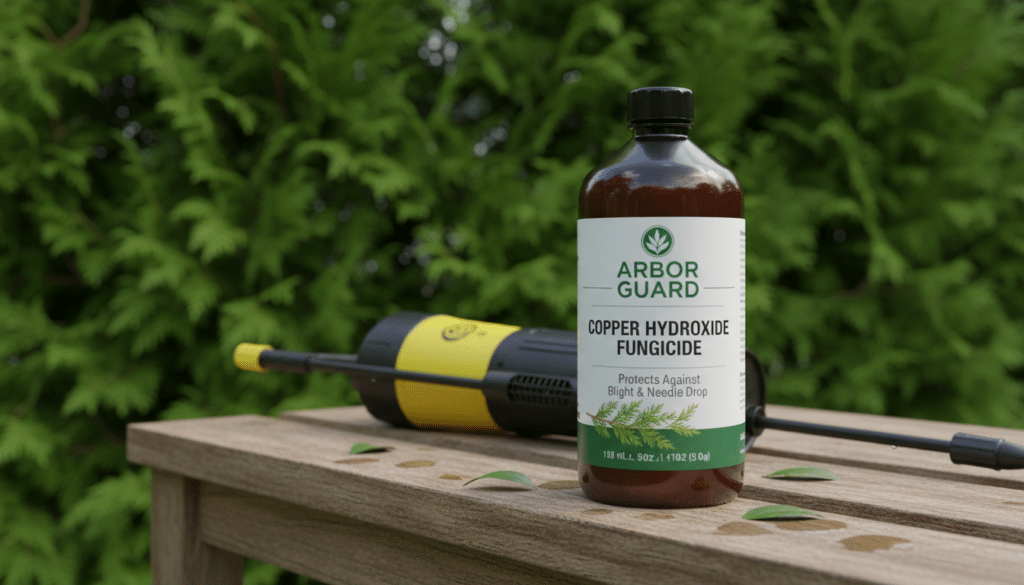
Sometimes, manual pruning isn’t enough to stop an aggressive infection. You can use specific fungicides to provide a protective shield for your trees shrubs. These chemicals help kill active spores and prevent the browning of leaf tips.
Recommended Fungicides
For most ornamental trees shrubs, products containing copper hydroxide or propiconazole are highly effective. These fungicides coat the plant surface and stop fungi from entering the tissue. Always follow the label instructions for the safest and most effective use.
Application Timing
Start your spray schedule in early spring as soon as new growth appears. You might also need to apply treatments in the fall if you notice signs of disease returning. Consistent timing ensures your arborvitae stays protected during peak infection periods.
Improve Cultural Practices
A healthy tree is your best defense against any disease or pest. By improving how you care for the soil and water, you create an environment where trees shrubs can thrive. Simple changes in your routine can yield massive benefits for arborvitae health.
Proper Watering Techniques
Avoid using overhead sprinklers that get the leaves wet for long periods. Instead, deliver water directly to the base of the plant using a drip hose or hand-watering. This method keeps moisture at the root zone where it is needed most.
Mulching and Soil Care
Apply a two-inch layer of organic mulch over the soil to help retain moisture. Keep the mulch pulled back a few inches from the base of the trunk to prevent bark rot. This layer also protects the root system from extreme temperature swings.
Protect Trees from Environmental Stress
Environmental factors like wind and sun can weaken your arborvitae as much as any fungus. You should take steps to shield your trees shrubs from harsh conditions. Proactive protection helps your plant survive even the toughest winter weather.
Winter Protection Strategies
Harsh winter winds can dry out the needles and lead to permanent damage. Install burlap screens on the windward side of your tree to act as a buffer. Providing a deep watering before the first frost ensures the plant has enough hydration to last through the cold.
Site Selection and Planting
Always choose a spring planting date to give the arborvitae enough time to establish itself. Select a site with excellent drainage and protection from the hottest afternoon sun. Proper placement reduces stress and makes the tree naturally more resistant to disease.
Conclusion
Protecting your green investment starts with distinguishing between disease and environment. You now know if browning results from a fungus or simply environmental stress. Successful arborvitae treatment combines removing infected parts with applying fungicides at the right time.
Improving growing conditions is the best way to keep your plant healthy for many years. Proper soil drainage and consistent moisture prevent most issues before they start. Healthy soil and site selection are more effective than treating established disease.
Remember, a tree facing winter cold or root damage becomes very weak. By adapting to local conditions, you protect your tree from the harsh winter air. Focus on spring care and protective measures before the cold season begins to ensure your trees provide beautiful foliage for a long year.
Pruning branches during dry weather also stops the spread of damage. If severe browning continues, a professional can evaluate the future growth of your plant. Start these strategies today to help your arborvitae thrive for many years and remain strong for many years to come.
