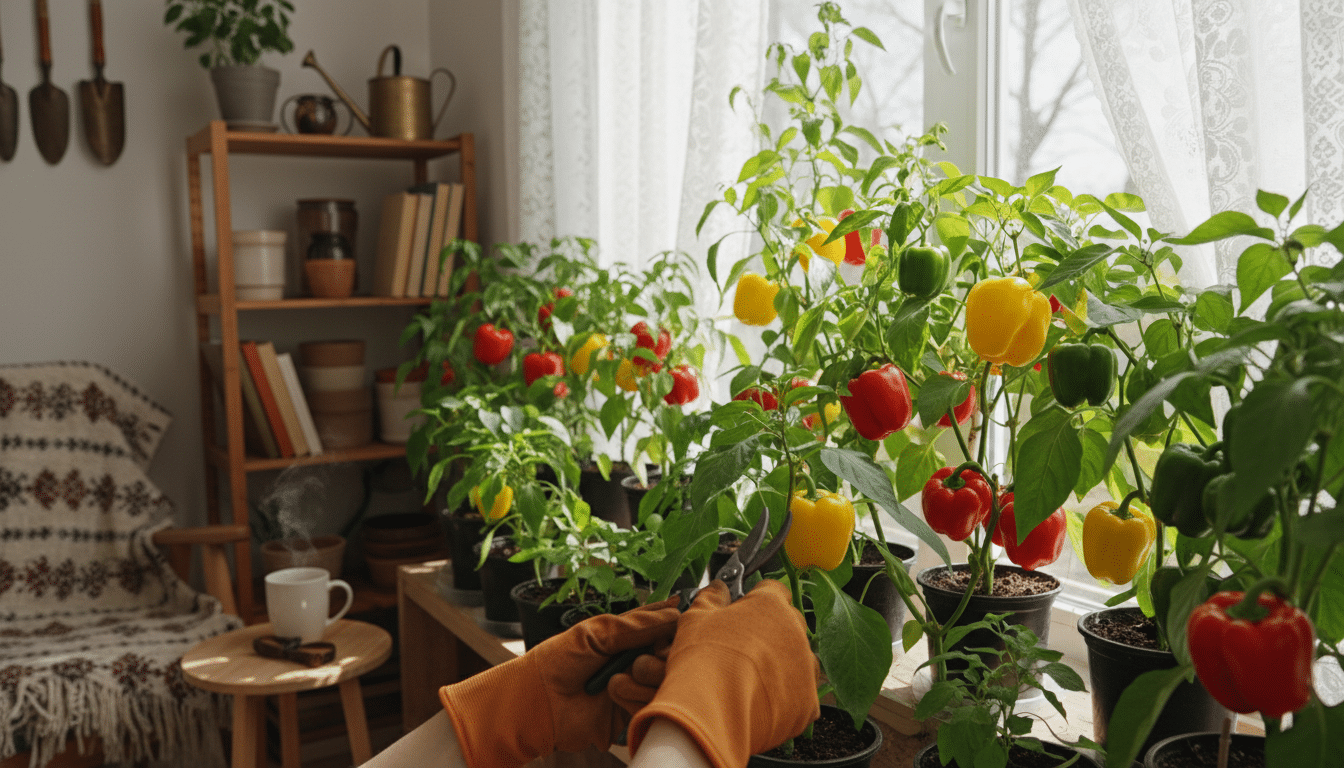
What if you could step into your backyard and pick a sweet, sun-ripened bell pepper that you nurtured from a tiny seed?
These colorful vegetables bring a vibrant sweetness to your meals. They come in shades from green to red and even golden yellow.
Bell peppers are sunshine-loving plants that thrive in warm weather. With the right care, they are surprisingly simple to cultivate.
This guide walks you through every step. You will learn to select seeds and help your plants thrive. The goal is a bountiful and nutritious harvest from your own garden.
Whether you’re new to gardening or have years of experience, the process is rewarding. Fresh, home-grown produce is just a season away.
Key Takeaways
- Bell peppers are warm-weather vegetables that come in a variety of sweet, vibrant colors.
- These plants are relatively easy to cultivate with proper sunlight and care.
- Growing your own ensures access to fresh, nutritious produce right from your garden.
- The process is rewarding for both beginner and experienced gardeners.
- A successful harvest depends on understanding the plant’s needs through each growth stage.
- This guide provides comprehensive techniques for a healthy, productive pepper plant.
Introduction to Bell Peppers and Their Benefits
Cultivating your own supply unlocks flavors and nutrients rarely found in store-bought produce. These colorful vegetables offer more than just visual appeal for your meals.
Understanding Nutritional Value and Flavor
Red and green varieties are excellent sources of vitamin C and vitamin A. They also provide essential minerals like potassium.
Master Gardener Catherine Boeckmann notes a key fact. The longer a fruit stays on the plant, the sweeter it becomes. Its vitamin C content also increases significantly.
This direct link between ripening time and quality is a major advantage for gardeners. You control the harvest timing.
| Nutrient | Red Bell Pepper | Green Bell Pepper |
|---|---|---|
| Vitamin C | Very High (increases with maturity) | High |
| Vitamin A (RAE) | Substantial | Moderate |
| Potassium | Good source | Good source |
| Natural Sugars | Higher (sweeter flavor) | Lower |
| Dietary Fiber | Present | Present |
Why Grow Them in Your Home Garden?
Harvesting at peak ripeness ensures the best flavor and nutritional profile. Many people discover they actually enjoy peppers after tasting a fully matured, garden-grown one.
Sweet bell peppers contain no capsaicin. This makes them incredibly versatile for your kitchen.
Use them fresh in salads, as crunchy snacks, or stuffed with delicious fillings. The personal satisfaction of nurturing these plants is a wonderful bonus.
Essential Soil, Sunlight, and Water Requirements
Before you plant a single seedling, understanding these non-negotiable needs will set your garden up for success. Your plants depend on a solid foundation.
Get these elements right from the start. You will encourage strong growth and a generous harvest.
Choosing the Right Soil Mix
Your pepper plants crave loose, nutrient-rich earth. A balance between sandy and loamy soil is perfect.
This mix drains well and warms quickly. It gives young roots the ideal environment.
If your garden has heavy clay, amend it. Mix in large amounts of compost or aged manure.
This improves drainage and adds vital organic matter. Avoid areas where tomatoes or potatoes grew recently.
This practice prevents soil-borne diseases. Consistent moisture is key, but soggy soil harms roots.
| Soil Type | Drainage | Warmth | Suitability for Peppers |
|---|---|---|---|
| Sandy | Excellent | Warms Fast | Good, but may dry quickly |
| Loamy | Ideal | Warms Well | Best Choice |
| Clay | Poor | Warms Slowly | Needs amendment |
| Amended Clay | Good | Improves | Suitable after preparation |
Optimal Sunlight Exposure
These plants are sun worshippers. Select a space that receives at least six hours of direct sunshine every day.
More light means more energy for growth and fruit production. Morning sun is especially beneficial.
It dries dew from leaves, reducing disease risk. Without enough light, your plants become leggy and produce fewer peppers.
Proper placement is a simple step with a major impact. Pair it with your prepared soil for outstanding results.
how to grow bell peppers at home
Gardeners in cooler climates can still achieve a great harvest by employing a simple soil-warming technique early in the year.
These colorful vegetables require a long, warm season to mature fully. Their development from planting to picking spans 60 to 90 days.
Key Steps for Successful Cultivation
Your primary focus should be on providing consistent warmth and light. For northern growers, laying black plastic over the garden bed in late winter is a smart move.
This practice traps solar heat, raising the earth’s temperature weeks before transplanting. It gives your young plants a crucial head start.
Vigorous growth depends on stable environmental conditions. Monitor your garden regularly for any signs of stress.
Early detection allows you to adjust watering or provide shade during a sudden heatwave. This proactive care prevents most common issues.
Whether your plot is large or small, these fundamentals remain the same. Attention to detail ensures your bell pepper plant thrives all season long.
Starting Seeds Indoors Versus Buying Starter Plants
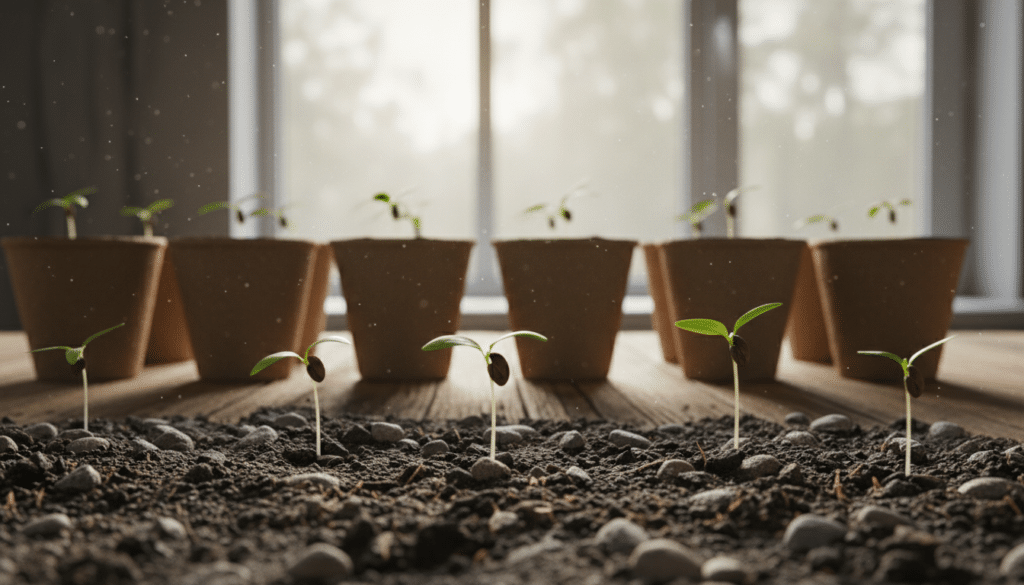
The journey to a vibrant harvest begins with a critical choice: nurturing your own plants from tiny seeds or giving them a head start with purchased seedlings.
Starting from seed offers deep satisfaction and more variety. Buying young plants in the spring saves several weeks of indoor care.
Both paths lead to a productive garden. Your decision depends on your timeline and desire for hands-on involvement.
Methods for Germinating Pepper Seeds
For a successful start, sow your seeds about a quarter-inch deep. Place two or three in each small pot filled with a quality potting mix.
Consistent warmth is the secret to faster sprouting. Maintain soil temperature at 70°F or higher using a heat mat.
- Sow seeds shallowly in a sterile, moist mix.
- Provide bottom heat for quick, even germination.
- Be patient. Sprouts can appear in 10-14 days, but some varieties take longer.
- Once seedlings are an inch tall, provide strong light. Keep fluorescent or LED bulbs 6-8 inches above them.
When and How to Thin Seedlings
After your seeds sprout, you’ll likely have multiple seedlings in one container. Thinning is a vital next step.
Wait until the little plants have at least two sets of true leaves. Then, select the strongest, healthiest one to keep.
Use small scissors to snip the weaker seedlings at the soil line. This removes competition for water, nutrients, and light.
The remaining plant will have all the resources it needs for robust growth. This simple task ensures your future pepper plants get off to the best possible start.
Planting Techniques and Transplanting Outdoors
Moving your young bell pepper plants into the garden is a pivotal moment. Proper technique ensures they establish quickly for a strong yield.
Preparing Your Garden or Container
Begin by enriching your soil. Mix aged compost into the top 8 to 10 inches. Rake the area well to create a fine, crumbly bed.
This provides essential nutrients. Good preparation supports healthy root development for all your plants.
If using containers, ensure they have adequate drainage holes. Fill them with a quality potting mix.
| Preparation Step | Key Measurement | Primary Benefit |
|---|---|---|
| Soil Amendment | 8-10 inches deep | Improves fertility and texture |
| Hole Depth | 3-4 inches deep | Accommodates root ball |
| Plant Spacing | 12-18 inches apart | Prevents crowding |
| Planting Depth | 1 inch deeper than pot | Stabilizes stems |
Transplanting Guidelines and Timing
Wait until all frost danger passes. Soil must reach 65°F, usually 2-3 weeks after the last frost.
Gently remove each start from its pot. Keep soil around the roots intact to minimize shock.
Place it in the hole, setting it slightly deeper. Firm the soil loosely around the stem. Water thoroughly after planting.
This careful handling encourages robust growth. Your plants will soon focus energy on producing plump fruit.
Watering and Fertilizing Strategies
Your pepper plants’ journey from flower to fruit relies heavily on two simple routines: hydration and nutrition. Getting these elements right ensures vigorous growth and a generous yield.
Deep Watering Practices
Provide about one to two inches of water each week. Soak the soil thoroughly to encourage roots to reach deep. This builds a resilient system.
Let the earth dry out almost completely between sessions. This cycle promotes strong plant health.
Inconsistent moisture is a common pitfall. It can lead to blossom-end rot in your developing fruit. This disorder stems from poor calcium uptake when watering is erratic.
Choosing the Right Fertilizer
Begin feeding your garden plants when you see the first flower buds. A liquid tomato fertilizer works well. It is rich in potassium, which supports fruit development.
Avoid formulas with too much nitrogen. High nitrogen levels push leafy growth at the expense of your pepper harvest. A balanced feed applied regularly through the season gives your plants the perfect boost.
Managing Temperature, Heat, and Weather Conditions
Weather is the one variable you can’t control, but you can absolutely prepare your plants for its extremes. Proactive management keeps your pepper crop healthy through the season’s ups and downs.
Handling Extreme Heat and Frost
Your plants are surprisingly sensitive to high temperature. Blossoms may drop if stressed by heat above 85° to 90°F on a hot summer day.
This halts fruit production. Use shade cloth to protect them during peak afternoon sun. It prevents heat stress and sunscald, which can cause peppers to blister or shrivel.
In very dry conditions, douse the soil and mist the foliage. This boosts local humidity, helping plants cope. Conversely, always cover your garden if a late spring frost is predicted.
A simple row cover shields tender stems from cold damage. Understanding these weather conditions is crucial for maintaining plant health and achieving optimal harvest timing for your sweet bell peppers.
Pest and Disease Prevention for Healthy Pepper Plants
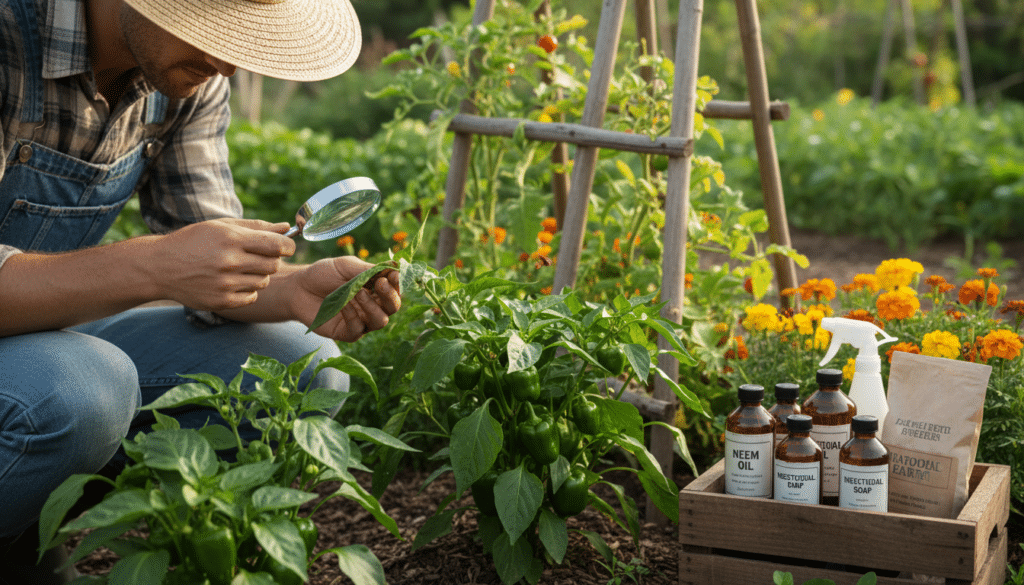
Keeping your pepper crop healthy requires a watchful eye for both tiny pests and subtle signs of disease. Proactive management helps your plants stay vigorous and productive all season long.
Identifying Common Pests
Two frequent troublemakers are spider mites and aphids. These tiny insects often cluster on the undersides of leaves, sucking sap and weakening your plants.
Look for stippled, yellowing foliage or sticky honeydew residue. Tomato hornworms are larger pests that can quickly defoliate a plant.
Regular inspection is your best tool. Check leaf undersides weekly and remove any pests you find by hand or with a strong spray of water.
Natural and Organic Remedies
For aphid control, try companion planting. Nasturtiums attract these pests away from your valuable peppers.
For serious infestations, insecticidal soap is a safe, effective treatment. Always target the undersides of leaves where pests hide.
To prevent disease, avoid overhead watering. This keeps foliage dry and reduces risk. Ensure good air circulation around your plants.
Bacterial leaf spot is a serious concern. It causes dark, water-soaked spots on leaves that eventually dry and fall out. Learning the common symptoms of pepper plant diseases allows for early action.
| Common Problem | Key Symptom | Organic Solution |
|---|---|---|
| Aphids | Clusters of small bugs on new growth | Insecticidal soap or companion plants |
| Spider Mites | Fine webbing, stippled leaves | Strong water spray, increase humidity |
| Bacterial Leaf Spot | Dark, angular spots on leaves | Remove affected leaves, improve air flow |
| Tomato Hornworm | Large green caterpillars, missing leaves | Hand-picking |
Selecting the Best Bell Pepper Varieties for Your Garden
Choosing the right pepper varieties transforms your garden into a vibrant palette of sweet, edible colors. Your selection shapes the harvest’s flavor and visual appeal.
Look for types that ripen to their full color quickly. Fully mature peppers offer the best nutrition and taste.
Popular green bell peppers that turn red include ‘Lady Bell’, ‘Gypsy’, ‘Bell Boy’, and ‘Lipstick’. These are excellent choices for your garden.
If you prefer orange or yellow fruits, consider ‘Milena’ or ‘Orange Sun’. The classic ‘Golden California Wonder’ is a beloved yellow pepper variety.
Many new gardeners wonder if their plants will ever turn the color shown on the tag. Patience is key, as the fruit often takes time to change.
By growing an assortment, you can have mild, meaty peppers for various dishes. This is similar to how you might choose different types of tomatoes.
Container Gardening Versus In-Ground Planting
Maximizing your harvest starts with selecting the right growing environment for your plants. This choice between containers and traditional beds shapes your entire season.
Each method offers distinct advantages. Your space and goals will guide the best path.
Benefits of Container Gardening
This approach is perfect for patios, balconies, or small yards. You gain complete control over the soil environment.
Use a fluffy, premium quality potting mix. A product like Miracle-Gro Organic Outdoor Potting Mix provides excellent drainage and nutrients.
Always ensure your pot has a drainage hole. Without it, waterlogged soil can suffocate roots and cause plants to die.
Moving containers lets you chase the sun or shelter from harsh weather. It’s a flexible solution for vibrant pepper growth.
Improving Drainage and Soil Quality Outdoors
For in-ground or raised bed planting, soil preparation is key. Mix several inches of compost into the top layer of existing earth.
This improves moisture retention and fertility. In raised beds, try a specialized mix like Miracle-Gro Organic Raised Bed & Garden Soil.
Support your plants as they mature. Small wire tomato cages are ideal for large bell peppers.
They keep brittle branches from breaking under the weight of heavy fruit. Good support is as important as good soil.
Whether you choose containers or a garden plot, success hinges on two factors. Provide excellent drainage and maintain consistent soil quality for your peppers.
Culinary Uses and Creative Recipes with Bell Peppers
The true reward of your gardening efforts arrives when you bring those crisp, colorful peppers into your kitchen. Fresh from the plants, they offer a sweetness and crunch that store-bought fruit often lacks. Your harvest is now ready to transform everyday meals.
Once picked, these vibrant peppers stay fresh in your fridge for about ten days. Keep them in a plastic bag to maintain crispness. If you have a bounty of fruits, consider preserving them for later in the season.
You can dry, freeze, or pickle extra produce. This ensures you enjoy your garden’s flavor long after harvest end.
Simple Ideas for Fresh Salads and Salsas
They are excellent in almost anything. Chop them for sandwiches, scramble them into eggs, or top your pizza. They add a sweet, juicy crunch to salads and creamy dips.
Combine them with ripe tomatoes and onions for a fresh salsa. The light, bright flavors are perfect for summer gatherings.
For a classic dish, stuff hollowed bell peppers with rice, seasoned breadcrumbs, or meat. Baking them brings out the fruit‘s natural sweetness. It’s a hearty meal that highlights your homegrown produce.
Remember, when preparing hot peppers, capsaicin concentrates in the seeds and ribs. Use caution and wash your hands thoroughly after handling.
Conclusion
Your dedication to nurturing these vibrant plants culminates in a harvest that rewards patience and care. Cultivating your own supply is a deeply satisfying project. It provides fresh, nutritious produce like colorful fruits and tomatoes throughout the long, warm season.
By following proper techniques for soil, watering, and pest management, you ensure each plant stays healthy. They remain productive until the very end. Consistent care is the key to a strong yield.
Remember that patience is essential. Waiting for your peppers to reach full color and flavor on the plant is worth it. The transformation from green to red or yellow is a beautiful process. These colorful fruits develop their best taste with time, much like ripe tomatoes in your garden.
Whether you use containers or garden beds, your effort will be rewarded. You’ll enjoy a bountiful harvest of delicious vegetables. Provide ample light for your plants during the growing days. This guide aimed to give you the confidence and knowledge for success. Your plants will thrive, yielding plenty of sweet bell peppers.
