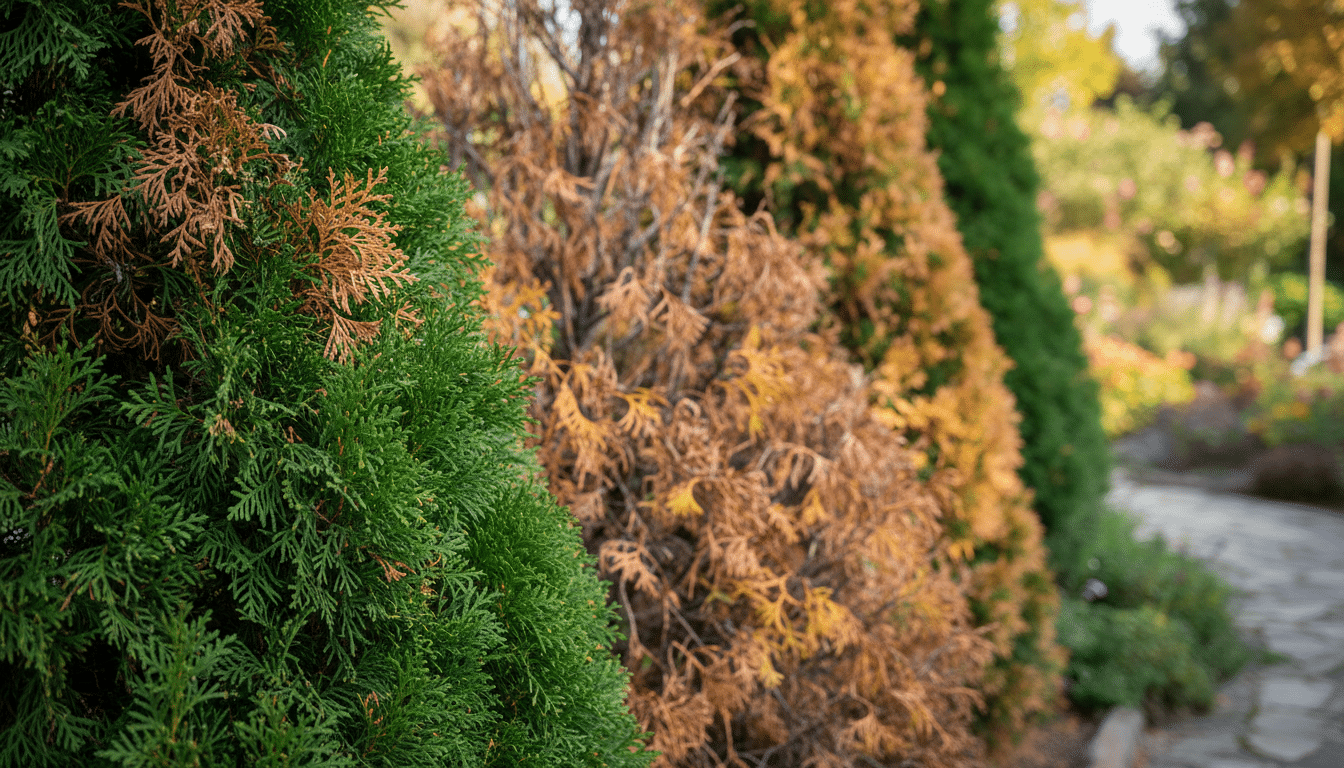
Have you ever wondered why your once-vibrant hedge is suddenly turning a brittle, rusty brown? This sight is heartbreaking for any homeowner who values a lush, green border. You might feel like you are losing your privacy and your investment all at once.
During the past year, many people noticed significant growth issues and unexpected problems with their favorite evergreens. Even established plants struggled to survive the wild weather swings that defined 2024. Environmental stress often leaves your greenery vulnerable to hidden threats.
Experts like Dr. Francesca Rotondo report that arborvitae diseases such as needle blight were extremely common recently. These fungal infections often take hold when your landscape experiences extreme shifts in weather. If your trees looked thirsty or drowned last spring, they likely became prime targets for infection.
Nursery veteran Bill Hendricks suggests that proper care is vital because this species needs a steady moisture balance to thrive. When the soil shifts from saturated to bone-dry, the resulting disease can destroy the health of your arborvitae. Monitoring these changes is the first step to saving your beautiful hedge.
Key Takeaways
- Extreme weather shifts in 2024 created a perfect storm for fungal infections.
- Pestalotiopsis and Phyllosticta needle blights were the most diagnosed issues.
- Maintaining a consistent moisture balance prevents root stress and plant decline.
- Drought stress is a primary trigger for disease in mature evergreen screens.
- Early identification of browning needles can save your landscape’s privacy.
Identifying Arborvitae Disease Symptoms
Spotting early warning signs on your plants was always the key to effective treatment. You often observed how arborvitae health shifted when hidden pathogens or pests took hold. Identifying these issues early helped you stop the spread before it ruined your beautiful hedge.
Recognizing Needle Discoloration
You noticed that a change in color was the first signal of trouble. When Phyllosticta infected the tree, the needle tip often turned a pale green or yellow. These needles then appeared desiccated as the infection moved toward the base of the foliage.
| Issue Type | Color Change | Typical Location |
|---|---|---|
| Needle Cast | Yellow to Brown | Older needles |
| Phyllosticta | Pale Green | Foliage tips |
| Spider Mites | Tan Tint | Scale leaves |
Spotting Branch Dieback and Browning Patterns
Your inspection of the branches was vital for catching Pestalotiopsis. This aggressive fungus caused progressive browning that could eventually kill small sections of your arborvitae. Careful observation helped you find sticky honeydew, which meant scale insects were the real culprits.
Distinguishing Disease from Environmental Damage
You had to tell the difference between a fungal disease and simple environmental stress. Harsh weather typically caused uniform injury on the exposed sides of your arborvitae. Understanding these patterns helped you confirm if the damage or other problems resulted from the environment or a living pathogen.
Common Arborvitae Diseases and Their Causes
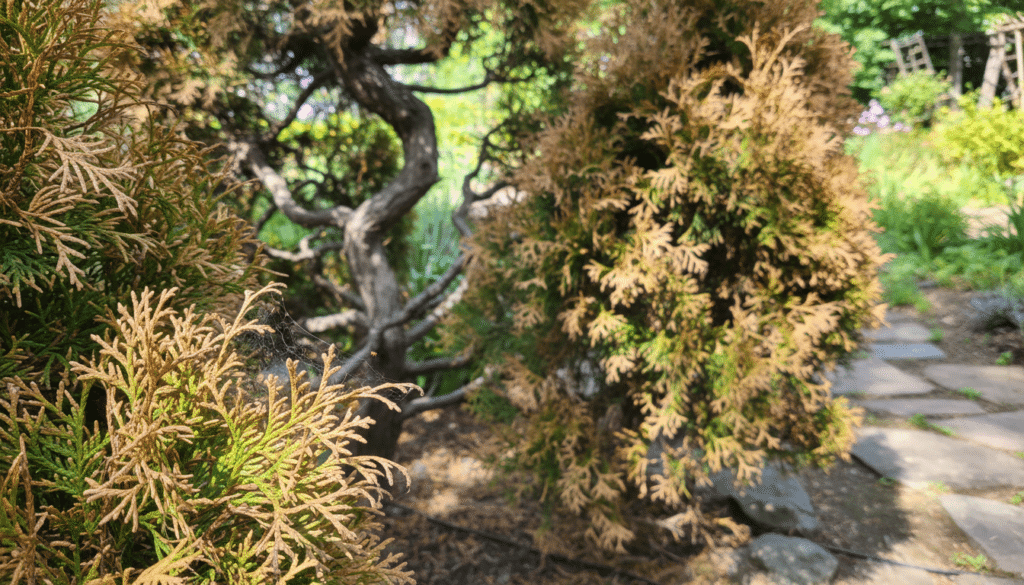
Pinpointing the exact cause of your tree’s decline is essential for choosing the right treatment plan. You should learn the differences between various arborvitae diseases to ensure your landscape thrives. Many of these issues stem from environmental stress that allows fungi to take hold.
Based on diagnostic clinic samples from 2024, Pestalotiopsis needle blight was the most frequently diagnosed disease across multiple Ohio counties.
Pestalotiopsis Needle Blight
This is an opportunistic fungus that often waits for your plant to become weak. It is common for this disease to strike after a period of drought or mechanical damage. Proper care can often keep this pathogen at bay.
Symptoms and Signs
You will notice browning and dieback starting at the tips of new shoots. Small black pads of fungal tissue eventually rupture through the needle surface. During wet weather, these produce dark masses of spores that spread easily to healthy branches.
What Causes Pestalotiopsis
The fungus acts as an endophyte, meaning it lives quietly inside your arborvitae without causing harm. It only triggers active infections when the plant faces stress like transplant shock. Maintaining consistent moisture levels can help prevent these outbreaks in the spring.
Phyllosticta Needle Blight
First described in 1989, this specific needle blight targets Thuja species almost exclusively. It often hides within the dense canopy where air does not flow well. This creates a perfect environment for persistent infections.
How to Recognize Phyllosticta
Your trees may show pale green or yellow discoloration. This color change moves from the ends toward the base of the needles. Eventually, the infected parts turn brown and die, making the tree look sparse.
Conditions That Trigger Infection
These outbreaks usually establish during the wet spring when new growth is most vulnerable. High moisture and mild temperatures cause fungal tissue to release large volumes of spores. Sheared trees are at higher risk because their dense foliage traps humidity.
Phomopsis Tip Blight
This blight specifically attacks the very ends of branches. It is most active during the rainy season when the foliage stays wet for long periods. You may see the ends of the branches turning a dull gray before they turn brown.
Root Rot (Phytophthora)
If you notice your trees yellowing from the bottom up, the problem might be underground. Using a common diseases of arborvitae guide can help you identify if the soil is the culprit. Poorly drained areas are the primary breeding grounds for this issue.
Early Warning Signs at Soil Level
Check the base of your plant for mushroom growth or roots that appear unusually wet. The root system should be firm and light-colored. If they are slimy or dark, the plant is struggling to survive.
Water-Related Root Problems
Excessive water in the soil prevents the plant from breathing. When roots stay oversaturated, they begin to rot quickly. This leads to a total lack of nutrient uptake, causing the entire tree to turn yellow and die.
Needle Cast Disease
This disease causes a slow progression from yellow to brown. Eventually, the foliage falls off, leaving the arborvitae looking bare. Unlike spider mite damage, you will see distinct black fungal spots on the needle itself during active infections.
Pest Infestations and Environmental Stress Factors
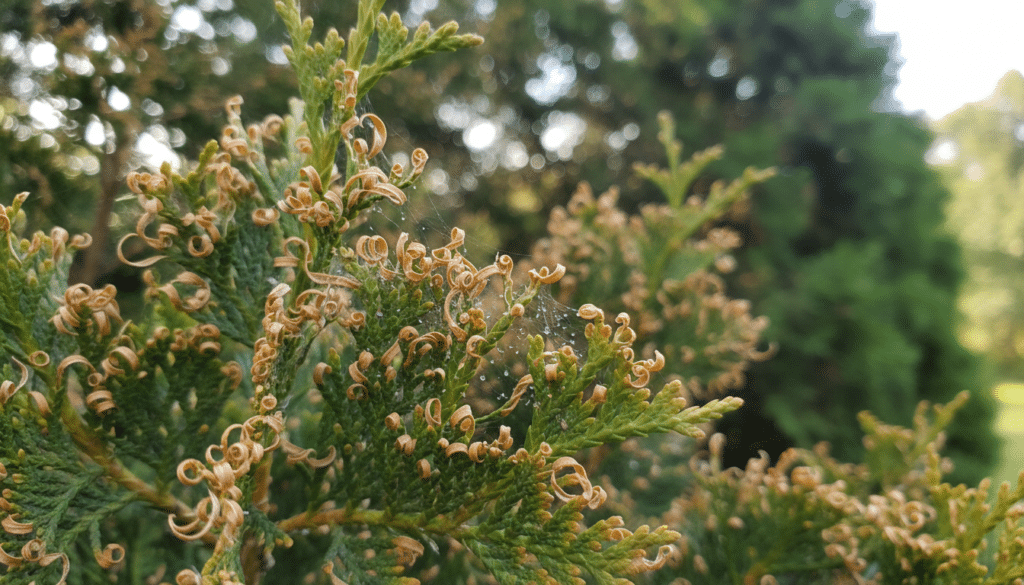
Sometimes your evergreen problems aren’t caused by a fungus at all. You might find that your tree‘s brown needles aren’t from a disease, but rather from hidden pests or harsh weather. Understanding these stressors is the key to a healthy landscape.
Spider Mites on Arborvitae
Spider mites are aggressive bugs that suck the cell content out of individual arborvitae needles. These tiny mites are highly destructive yet very difficult to detect until the leaves turn yellow or brown. According to OSU diagnostic data, spider mites often occur alongside common arborvitae diseases like needle blight.
When these spider mites attack, they can leave very small webbing deep within the branches. This pest damage creates significant stress for your plants, making them far more vulnerable to secondary infections.
It is often a double threat. You might not even notice the spider mites themselves until the discoloration is severe. Keeping a close eye on the inner foliage can help you catch these mites before they spread.
Bagworm Damage
You need to watch for bagworms that construct protective bags from your tree‘s own needles. This camouflage makes them almost invisible until the bags fill with brown, dead foliage. By then, the insect larvae have already spent considerable time feeding on your greenery.
Your control strategy should include hand-picking bags before they hatch if you only have a few. However, professional pest applications are recommended for heavy infestations that threaten the plant health. These larvae are hungry and can strip a branch in days.
Scale Insect Infestations
The Fletcher scale is the most common variety you will find on these evergreens. These scale insects use piercing-sucking mouthparts to drain vital fluids from the stems. This activity leaves behind sticky honeydew deposits that attract additional insect pest varieties like flies and bees.
Drought Stress and Overwatering Issues
Proper irrigation is vital for long-term health, especially for young arborvitae. Water issues create serious problems whether from too much or too little moisture. Bill Hendricks, a noted expert, emphasizes this balance:
Arborvitae can really suffer when put under drought stress, and in commercial nurseries irrigation is carefully managed, but in home landscapes watering often becomes an afterthought.
Winter Burn and Desiccation
You will see winter burn when your arborvitae faces harsh winter winds while roots remain frozen in the soil. The foliage loses moisture that the roots cannot replace, leading to desiccation. This browning often looks like a disease, but it is purely environmental.
Poor Planting Location Problems
Your planting location choice is a critical factor for long-term survival. Putting a specimen in a low spot with poor drainage is a quick way to kill it. Ensure the site has the following characteristics:
- Adequate drainage to prevent root rot in soggy soil.
- Sufficient daily sun exposure to maintain dense foliage.
- Protection from extreme, drying winds.
| Factor | Primary Sign | Cause |
|---|---|---|
| Spider Insects | Fine webbing and yellowing | Tiny mites sucking cell sap |
| Environmental Stress | Browning on one side | Harsh winter winds or low sun |
| Water Issues | Drooping or brittle needles | Inconsistent irrigation or poor drainage |
| Scale Pest | Sticky honeydew on branches | Piercing-sucking insects |
Step-by-Step Treatment and Prevention Guide
In the past, many homeowners watched their hedges decline, but you can save your arborvitae by following these proven steps to eliminate blight. Consistent care is the primary secret to maintaining a thriving landscape that effectively resists environmental stressors. Implementing a proactive strategy today will ensure your greenery remains vibrant for years to come.
Step 1: Remove and Dispose of Infected Plant Material
You must begin treatment by pruning and removing all infected plant material from the affected branches. Dead needles frequently harbor fungal pathogens that overwintered within the tree canopy during the previous dormant period. Avoid working on your plants during wet weather, as moisture allows fungal spores to spread most easily between open wounds.
Step 2: Apply Appropriate Fungicides
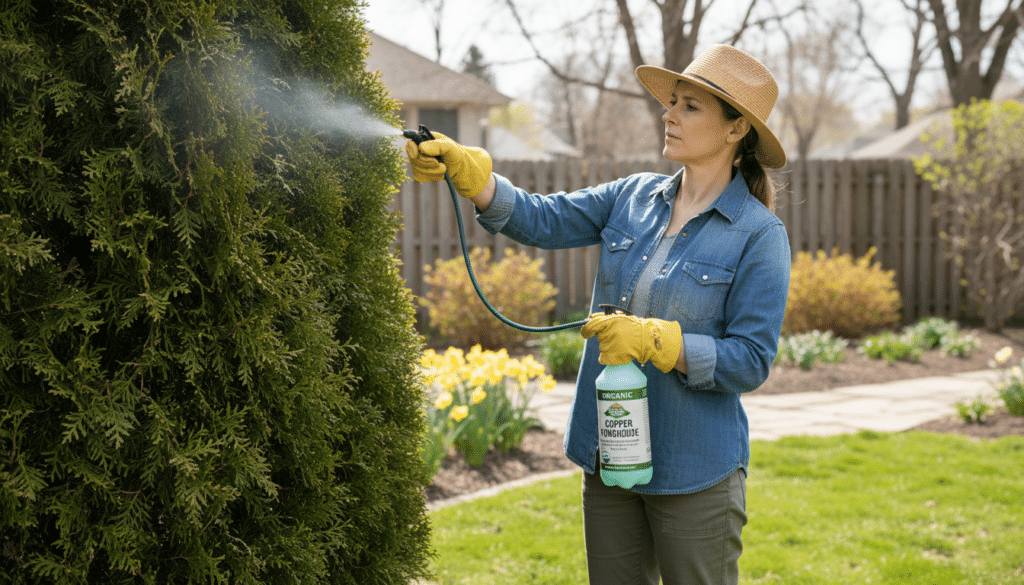
You should apply preventative fungicides to protect the current year growth from emerging pathogens. Products containing propiconazole or copper hydroxide work exceptionally well against needle blight during the primary growing season. Applying these treatments in both the spring and fall helps significantly reduce overall disease pressure on your arborvitae.
Step 3: Correct Watering Practices
Proper moisture management is essential for sustaining long-term health and structural vigor in your evergreens. Most fungal issues originate from excessive moisture on the foliage, which can be easily corrected.
Establish Proper Irrigation Schedule
Establish an irrigation schedule that utilizes dedicated drip lines to keep the roots moist without wetting the foliage. Check newly planted trees several times a week to ensure they receive adequate water during their first year in the ground. Supplemental watering is often necessary during extreme summer heat to prevent transplant shock.
Improve Soil Drainage
You must improve soil drainage if your specific planting site naturally holds too much water. Sensitive roots cannot breathe in saturated soil conditions, which inevitably leads to root rot and secondary growth problems. Consider creating berms or using soil amendments to facilitate better moisture movement.
Step 4: Implement Preventative Care Measures
Effective prevention is often much easier than trying to fix a serious fungal problem after it has already established itself.
Choose the Right Planting Site
Choose a well-drained location with plenty of direct sunlight when installing your new tree. Sufficient light exposure ensures your tree has the physiological strength to fight off common landscape issues. Avoid low-lying areas where cold air and moisture tend to settle.
Maintain Proper Spacing
Maintain sufficient spacing between your trees to allow for constant air circulation throughout the foliage. Good airflow keeps every needle dry and effectively limits the rapid spread of disease between neighboring branches. Overcrowded hedges are significantly more susceptible to needle cast and blight outbreaks.
Monitor Throughout the Growing Season
Monitor your plant health throughout the entire season to catch any minor changes before they escalate. Time is of the essence when dealing with aggressive fungal outbreaks that can quickly defoliate a specimen. Early detection often saves the plant from permanent aesthetic damage.
When to Call a Professional
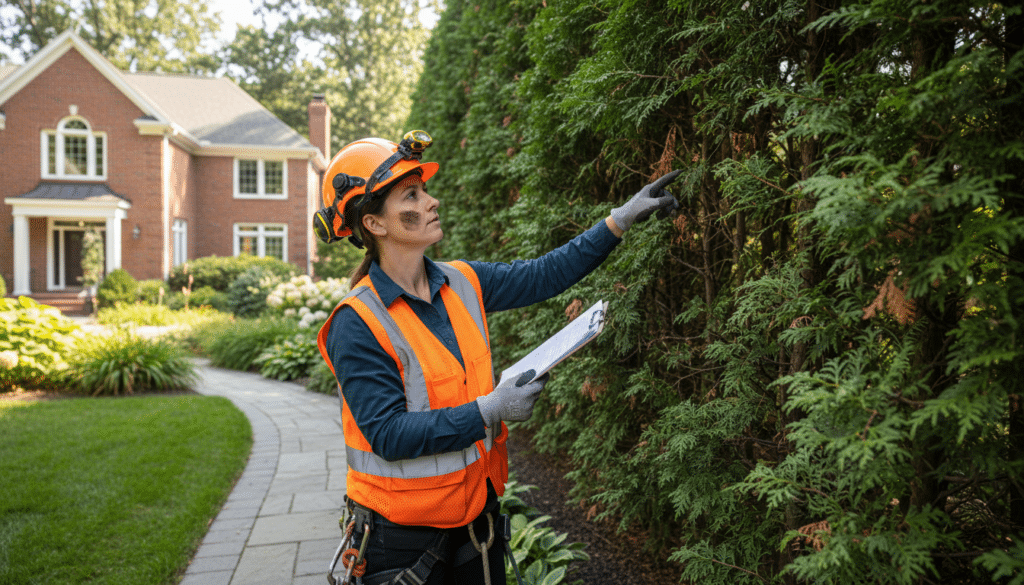
You should call an expert if you cannot accurately diagnose the specific disease affecting your trees. Professional tree care can save your plant and help it thrive for a long time. Specialized horticulturalists ensure your arborvitae and other trees stay resilient against local pests and climate challenges.
Conclusion
You now have the skills to spot harmful germs and stress factors that often target your arborvitae. Understanding how to tell arborvitae diseases from pest damage helps you keep your landscape beautiful all year. Your success depends on finding a specific problem and treating it at the right time to ensure health.
Proper care prevents most issues before they start to damage your garden’s look. You understand that healthy trees need the right spot and correct watering to avoid disease. While a single tree can often recover, some disease symptoms might require a professional eye to check your arborvitae closely.
You are now ready to provide the support each tree needs to thrive. This proactive approach ensures your trees stay strong and vibrant against common pests throughout the growing season.
Daily attention truly makes a difference. Your tree will thank you for this dedication.
