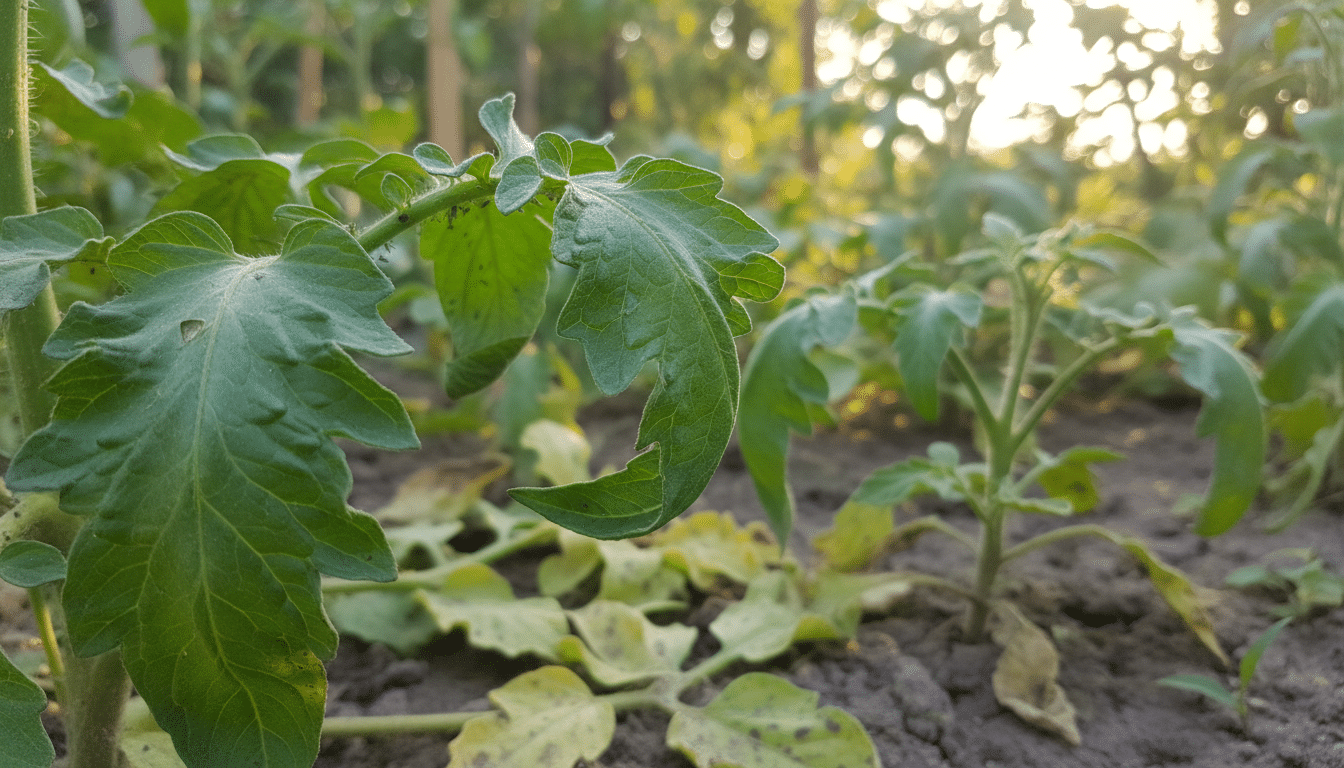
What if the curling foliage on your prized plants isn’t a death sentence, but a secret message waiting to be decoded?
If you’ve spotted this in your backyard, you’re in good company. Many gardeners face this puzzle. As expert Sarah Hutchinson highlighted in her 2022 guide, vibrant, healthy plants are the foundation for a summer full of delicious, homegrown fruit.
Seeing your green companions in distress can be worrying. It’s crucial to know that curled leaves don’t always spell disaster. Often, it’s the plant’s way of talking to you about its environment.
By learning to interpret these signals, you can adjust your care routine. You can create the ideal conditions for your whole garden to flourish all season long.
This article will break down the common culprits behind this issue. We’ll provide clear, actionable steps to help you nurse your greenery back to peak health.
Key Takeaways
- Curling foliage is a widespread issue and often a plant’s response to stress, not necessarily a fatal disease.
- Healthy tomato plants are essential for producing a good harvest of fruit.
- Environmental factors like watering, temperature, and wind are frequent causes of leaf problems.
- Early identification of the cause is key to implementing an effective solution.
- Proper garden management can prevent many common issues before they start.
- Most causes of leaf curl are treatable, allowing your plants to recover fully.
- Understanding your plant’s specific needs is the first step toward a thriving garden.
Tomato Leaf Curling: An Overview
The type of tomato you grow can influence how often you see this physiological reaction. Indeterminate varieties tend to show this response more than determinate ones. Seeing foliage bend is the plant’s way of communicating stress.
Understanding the Issue and Its Impact
Physiological leaf roll is a frequent visitor in many gardens. It often appears first on the older leaves, causing them to curl upward. This is usually just a temporary adjustment, not a fatal disease.
Your first diagnostic step is simple observation. Check if the symptom is on new growth, older foliage, or the entire plant. This clue helps you separate common environmental factors from serious infections.
The Importance of Healthy Tomato Plants
Maintaining vigorous plants is vital for your harvest. While leaf roll itself might not kill them, the underlying stress can reduce your fruit yield. Addressing the root cause protects your summer bounty.
Understanding these reasons for distress lets you build better care strategies. You can create a thriving garden all season long.
Environmental Factors Affecting Tomato Curling
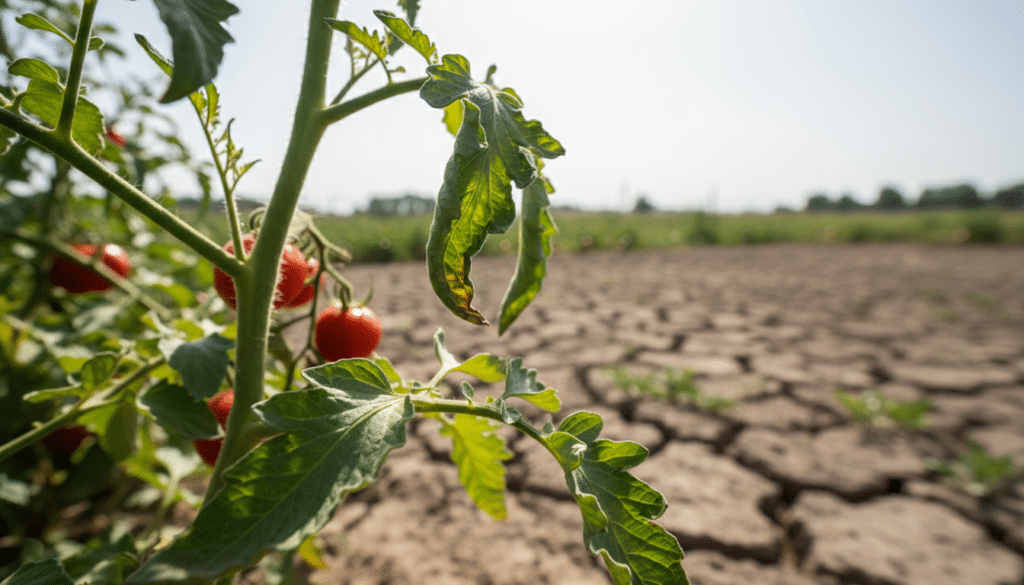
Beyond pests and disease, the very elements your plants live in can trigger that familiar upward roll. Sun, temperature, and even a change of location are powerful environmental factors.
These conditions often cause a physiological response, not a permanent disease. Understanding them is your first step toward a fix.
Extreme Heat, Sun, and Weather Stress
When the mercury hits 90°F (32°C) and stays there, your greenery reacts. It curls foliage to conserve precious water and reduce surface area exposed to heat.
Intense summer sun can also scald delicate leaves. This damage prompts a protective curling response. Timing matters, too.
Planting tomatoes too early in cool soil can shock them, causing lower leaves to curl upward and roll inward.
Transplant Shock and Other Stressors
Moving a young plant is a major event. Delicate roots can suffer damage, leading to temporary leaf curl as the specimen focuses energy on re-establishing itself.
Strong, drying winds and rapid temperature swings add further weather stress. Providing afternoon shade can offer crucial relief during the hottest part of the day.
| Environmental Stressor | Typical Leaf Response | Primary Cause | Immediate Action |
|---|---|---|---|
| Heat Stress | Upward curling, often on older leaves | Sustained temperatures above 90°F (32°C) | Increase watering frequency; apply mulch |
| Sunscald/Sunburn | Curling with whitish or bronzed patches | Intense, direct UV exposure | Use a shade cloth during peak sun hours |
| Transplant Shock | General curling, slowed growth | Root disturbance during moving | Water deeply; avoid fertilizing until recovered |
Watering and Nutrient Management for Tomato Plants
Managing water and nutrients effectively can prevent many common stress signals in your crops. Getting these basics right supports strong, healthy development.
It stops problems before they start. Your care routine directly impacts foliage and fruit production.
Underwatering and Irrigation Best Practices
Insufficient moisture is a top reason for distress. Specimens curl their foliage to conserve water.
You should water the base deeply. Aim for the moisture to reach six inches down into the earth.
This encourages a deep, robust root network. Consistent schedules prevent moisture stress.
Balancing Soil Nutrition and Fertilization
Soil that is too rich in nitrogen causes problems. It leads to excessive, weak foliage growth that often droops.
Adding organic compost before planting is the best long-term strategy. It maintains balanced nutrient levels naturally.
For young specimens, consider how to boost your tomato seedlings with liquid carefully. Always follow label instructions to avoid overfeeding.
| Common Issue | Primary Symptom | Recommended Solution |
|---|---|---|
| Underwatering | Leaves curling upward, dry soil | Deep, infrequent watering to 6-inch depth |
| Excess Nitrogen | Lush, curled, drooping foliage | Incorporate compost; avoid high-N fertilizers |
| Poor Soil Nutrition | General poor growth and curling | Amend garden soil with compost before planting |
Diseases, Pests, and Herbicide Drift Challenges
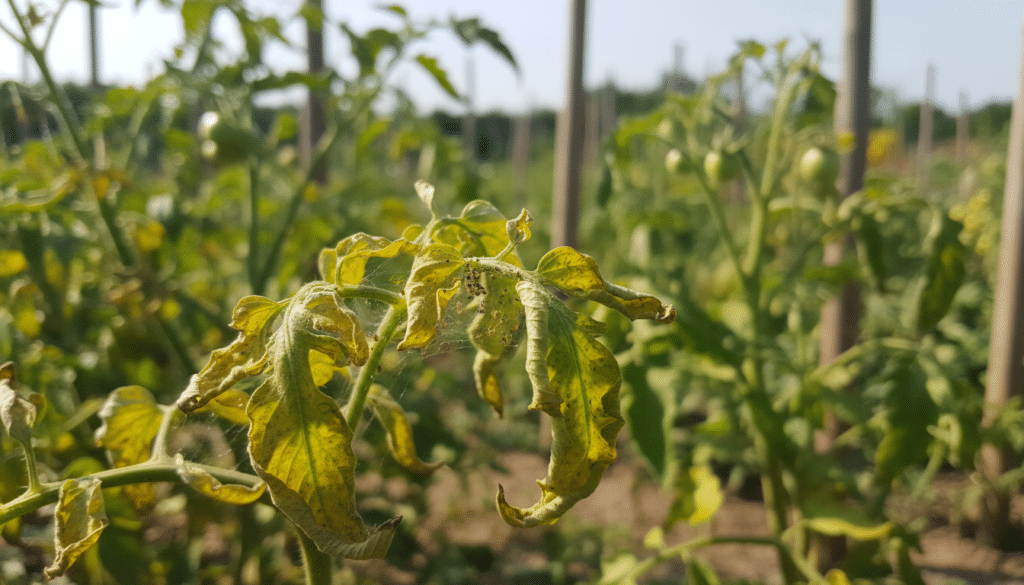
Your tomato crop can face threats from tiny insects, microscopic pathogens, and even neighboring lawn treatments. These issues often cause severe symptoms that require specific actions.
Quick identification is your best defense. Knowing what to look for helps you act fast.
Viral, Bacterial, and Fungal Infections
Viral infections are a common reason for foliage problems. The Tomato Yellow Leaf Curl Virus is a major concern.
Whiteflies spread this virus. It causes upward curling and stunts overall growth.
There is no cure for plant viruses. You must remove and destroy infected specimens to protect the rest of your garden.
Bacterial diseases, like canker, also cause trouble. Implementing a 3-year crop rotation is a vital preventative measure.
This practice helps keep your soil healthy. It stops pathogens from building up.
Insect Damage and Preventing Herbicide Drift
Piercing-sucking pests like aphids feed on plant juices. Their activity can cause leaves to distort and curl.
Integrated pest management strategies help control these insects. Regular monitoring is key.
Herbicide drift is another sneaky culprit. Chemicals like 2,4-D or Dicamba can travel on the wind.
Exposure causes twisted growth and downward curling. Be mindful of spraying conditions near your edible garden.
| Challenge Type | Primary Cause | Key Symptom | Prevention Strategy |
|---|---|---|---|
| Viral Infection | Whitefly transmission | Upward leaf curl, stunting | Remove infected plants; control whiteflies |
| Bacterial Disease | Soil-borne pathogen | Wilting, leaf droop | Implement 3-year crop rotation |
| Insect Damage | Aphid/whitefly feeding | Distorted, curled foliage | Use integrated pest management |
| Herbicide Injury | Drift from growth regulators | Downward twisting, cupping | Avoid spraying on windy days |
why are my tomato leaves curling? Diagnosing Your Garden’s Stress
Begin your investigation by closely observing the pattern and direction of the leaf movement. This simple act is the cornerstone of accurate diagnosis.
Your garden is telling you a story. Learning to read it correctly leads to the right solution.
Identifying Symptoms and Potential Causes
First, inspect the foliage for tiny pests like aphids or whiteflies. Their presence often points to insect-related stress.
Note the curl direction. Downward twisting frequently signals herbicide damage from drift. Upward rolling usually ties to heat or water issues.
Be aware of persistent viruses. The Tobacco mosaic virus (TMV) can linger in soil and spread via contaminated tools or even tobacco products.
For a deeper dive into pathogens, review this guide on common tomato diseases.
Troubleshooting Steps to Save Your Tomato Plants
Check your soil moisture with your finger. Is it dry several inches down? Consistent watering is key.
Compare the symptoms against known patterns. Is it just older foliage or the entire plant?
If the cause remains unclear, don’t guess. Contact your local Extension Office for expert help. They provide free, professional diagnostics for garden issues.
This systematic approach turns worry into action. Your plants can recover with the right care.
Conclusion
Curled foliage on your crops is often a call for help, not a cause for panic. Identifying the specific reason behind this stress signal is your first, most powerful step.
Whether triggered by heat, nutrient imbalance, or a virus, early action is key to saving your plants. Managing your water schedule and soil health prevents many common issues.
Remember, some leaf curl is a natural reaction to high temperatures. Persistent symptoms mean it’s time to protect your developing fruit.
With consistent care and attentive garden management, you can overcome these hurdles. You’ll be rewarded with a healthy, productive harvest from your thriving tomato plants.
