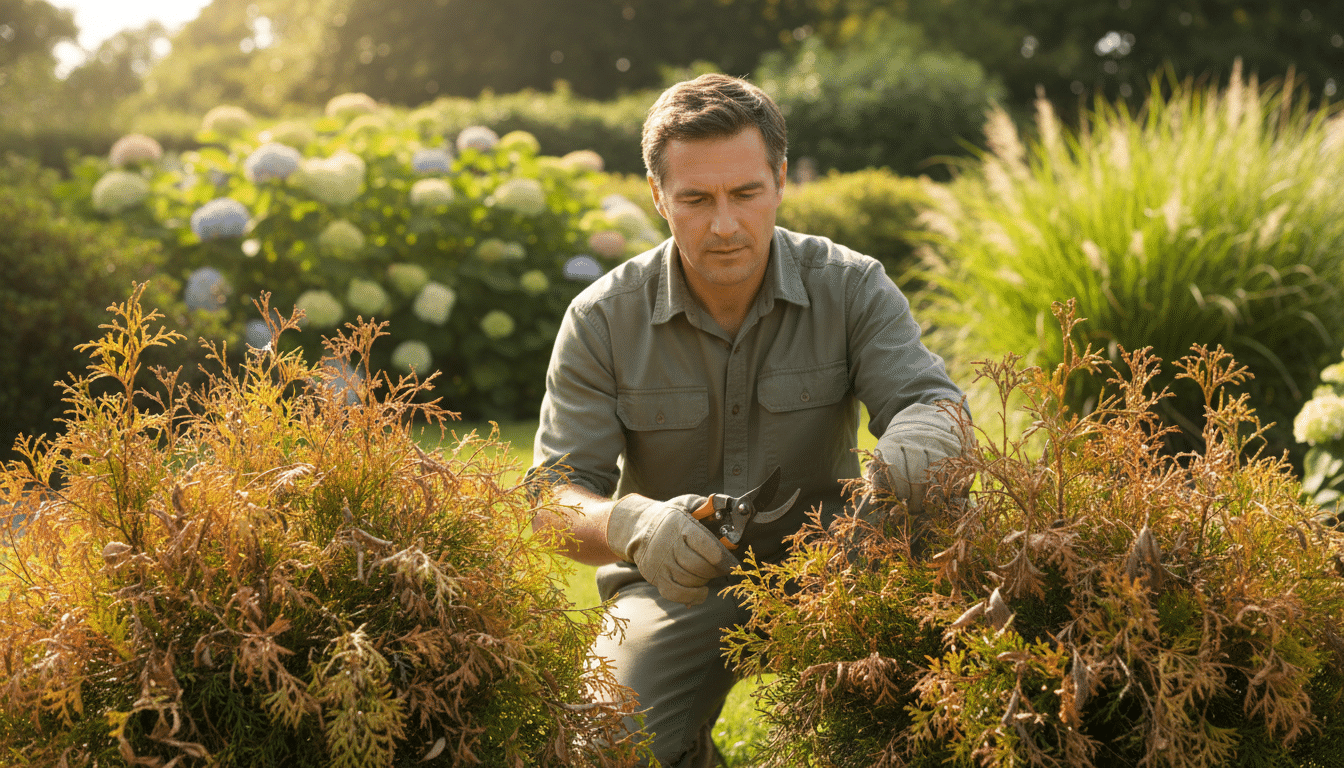
Have you ever wondered why your vibrant living fence is suddenly losing its luster and turning a dusty brown? It is heartbreaking to watch your beautiful trees lose their thick foliage when you need them most.
These evergreens usually provide the perfect amount of privacy for your yard and landscape. However, a silent disease could be lurking within the branches, waiting for the right moment to strike.
Many homeowners rely on popular cultivars for their tight, columnar habit and year-round beauty. When these plants face stress, they become vulnerable to microscopic attackers that destroy their needles.
When environmental stress hits, fungal pathogens like Phyllosticta can cause a devastating blight. Identifying specific landscape issues early is the first step toward a full recovery for your garden.
You can explore common diseases of arborvitae to see if your yard is currently at risk. Starting a proper arborvitae blight treatment will help restore your plant’s health quickly.
Don’t let a simple fungal blight ruin your landscape’s natural beauty or property value. With the right care and timely intervention, you can maintain a lush, green border for many years to come.
Key Takeaways
- Identify the difference between fungal infections and natural winter browning.
- Understand how environmental stress makes your evergreens more vulnerable.
- Recognize the two main fungal pathogens: Phyllosticta and Pestalotiopsis.
- Learn how to restore the density and color of your living privacy screens.
- Implement preventative pruning and watering strategies to avoid future outbreaks.
Recognizing Arborvitae Blight Symptoms
Catching the warning signs of a fungal infection is your first line of defense in maintaining a healthy hedge. You need to inspect your foliage regularly to spot early symptoms before they become major problems.
Early Warning Signs in Your Trees
You will likely notice symptoms starting at the very tip of the needle. These areas often turn a pale green or yellow color and look very dry or desiccated.
The infection usually moves from the needle tips toward the base of the branch. If you see these light symptoms, act quickly to prevent the fungi from spreading further.
Advanced Disease Indicators
As the disease progresses, you might see small black pads rupturing through the needle surface during wet weather. These structures release spores that infect the rest of your tree.
In severe cases, you will notice significant browning and branch dieback. This often occurs after a rainy spring or fall when the disease is most active and aggressive.
Differences Between the Two Fungal Pathogens
It is vital to know which of the pathogens is attacking your yard. While both cause browning and dieback, their targets and severity differ significantly.
“Early detection of fungal issues is the most effective way to preserve the structural integrity of your evergreens.”
Your vigilance in checking for distinct symptoms will determine how quickly you can intervene. Phyllosticta stays on the needles, while Pestalotiopsis is one of the more aggressive pathogens that moves into the stems.
| Pathogen Type | Primary Target | Aggression Level |
|---|---|---|
| Phyllosticta | Needle Surfaces | Moderate |
| Pestalotiopsis | Stems and Branches | High |
What Causes Arborvitae Needle Blight
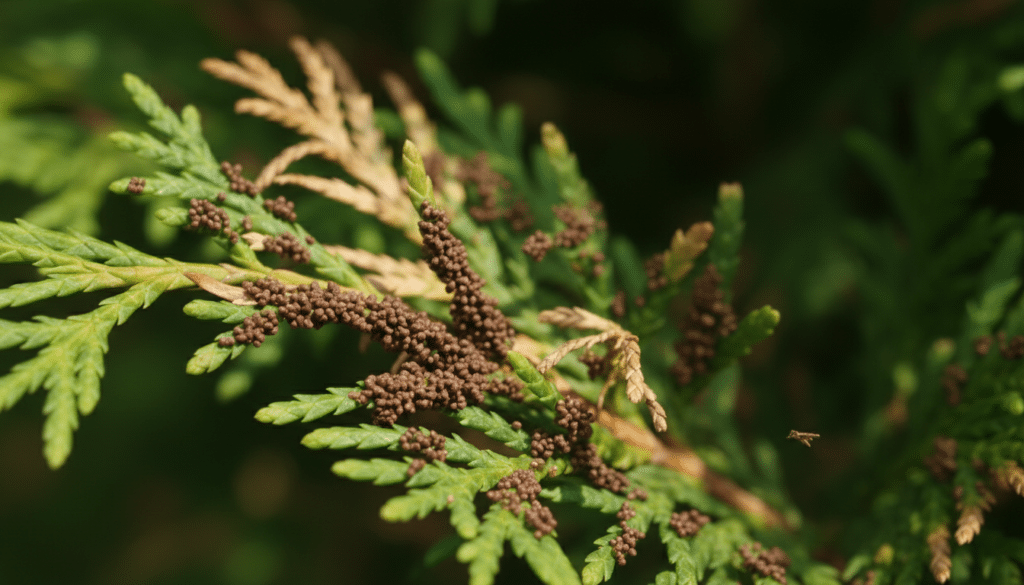
Knowing why your arborvitae is struggling requires a close look at the microscopic world of fungal pathogens. Identifying these invisible enemies helps you choose the right treatment for your yard. Usually, a specific fungus is to blame for the sudden brown patches on your greenery.
Understanding the “why” behind the disease is the secret to a greener hedge. While your trees might look sturdy, they face constant pressure from the surrounding air and soil. When specific triggers align, a common needle blight outbreak can take hold quickly.
Phyllosticta Fungus: The Needle Specialist
Phyllosticta thujae is a specialized attacker that focuses mainly on the soft tissues of your evergreen. First described by scientists in 1989, this needle blight specialist is most common on Thuja species. You might also see it affecting your Leyland cypress or juniper plants.
Most infections establish during wet weather in the spring months. This is exactly when new growth is emerging and has not yet fully hardened. The fungus can also be active during a damp autumn, releasing spores whenever moisture is abundant.
Pestalotiopsis Fungus: The Aggressive Branch Attacker
Pestalotiopsis is an opportunistic fungus that preys on trees already facing some form of physical trouble. It behaves as an endophyte, meaning it can live quietly inside your tree without causing symptoms. It often waits for a period of high stress to finally turn into a visible disease.
Once active, it exploits damage caused by insect feeding or mechanical injuries from pruning. These infections move into the branches and can cause significant dieback if left unchecked. Keeping a clean garden environment is your best defense against this hidden threat.
Environmental Conditions That Promote Disease Spread
The environment around your arborvitae dictates how fast a disease can move through your landscape. Certain conditions act like a highway for microscopic invaders to travel from tree to tree. If your plants are crowded or poorly placed, they are at much higher risk.
Dense canopies, especially those that are heavily sheared, trap humid air inside the branches. This lack of airflow allows spores to settle and thrive on the interior needles. Proper spacing is often the difference between a healthy tree and a dying one.
Moisture and Weather Factors
Excessive moisture is the single most important factor for a fungal outbreak. Frequent rain and high humidity provide the perfect home for these pathogens. When the weather remains damp for several days, spores germinate and enter the plant through tiny openings.
Splashing water from heavy rainfall or overhead sprinklers helps the disease travel. This moisture carries the disease from the lower branches up into the rest of the canopy. You should always try to keep the foliage as dry as possible during the day.
Stress-Related Vulnerabilities
A tree suffering from stress cannot easily fight off a fungus. Factors like drought or extreme winter cold weaken the tree’s natural immune system. This lack of vigor makes it easier for spores to take hold and stop new growth.
Even small wounds from an insect or a lawnmower provide entry points for disease. If your tree is already struggling with a drought, it may lack the energy to seal off these wounds. Strong trees are naturally more resistant to these seasonal attacks.
| Feature | Phyllosticta thujae | Pestalotiopsis |
|---|---|---|
| Primary Target | Young, emerging needles | Weakened branches and shoots |
| Key Trigger | Wet spring weather | Drought or physical injury |
| Disease Type | Specialized pathogen | Opportunistic endophyte |
Step-by-Step Arborvitae Blight Treatment
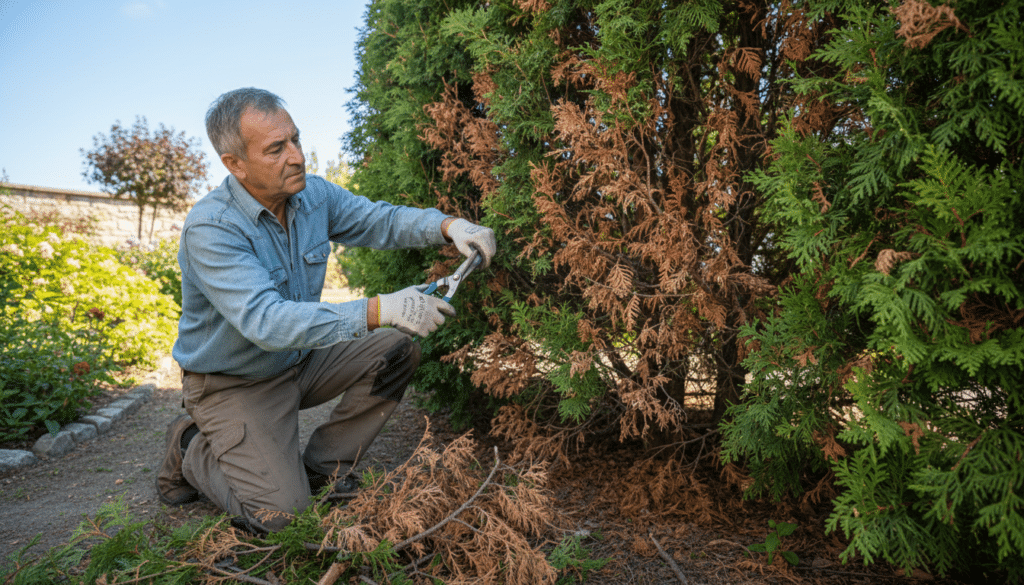
Saving your precious evergreens involves a series of practical steps designed to stop the disease in its tracks. Effective management of any needle and shoot blight requires a hands-on approach to clear out fungal pathogens hiding in the canopy. By investing a little time now, you can prevent a total loss of your landscape’s greenery.
The best course of action is to remove and discard as many infected parts as possible. Dead shoots and needles harbor spores that allow the fungus to overwinter. If left alone, these spores will quickly move to newly developing tissues next spring. Even on mature specimens, this level of care is necessary for a successful recovery.
Step 1: Assess the Full Extent of Damage
Start by walking around your hedge row to look for signs of dieback. You should search for brown needles and the small black dots that signal active fungal growth. These structures often appear on the inner needles before moving to the tips.
Checking the interior of the tree will help you see the full extent of the damage. It is important to identify every area where the fungus is active. This careful management step ensures you do not miss hidden pockets of infection that could spread later.
Step 2: Prune Infected Branches and Needles
Removing the infected branches is the most critical stage of the treatment process. Your strategy should focus on cutting back to healthy wood to ensure no fungal tissue remains. Look for areas with visible dieback and prepare your equipment for a thorough cleanup.
Timing Your Pruning Correctly
Wait for a dry day before you begin any pruning work. Fungi release spores most actively during wet weather, making it the worst time to cut. Choosing a clear, sunny day prevents the fungal spores from jumping to healthy plants nearby.
Proper Pruning Techniques
You must sanitize your tools between every single cut. Dipping your shears into a 70% alcohol solution stops the transfer of pathogens from one branch to another. This simple habit keeps your tools from becoming a primary source of new infection.
| Action | Tool/Method | Benefit |
|---|---|---|
| Sanitation | 70% Alcohol or 10% Bleach | Kills pathogens on tools |
| Infection Removal | Pruning Shears | Eliminates diseased branches |
| Hydration | Drip Irrigation | Reduces water on foliage |
Step 3: Dispose of Diseased Material Safely
Never leave the cut parts on the ground or put them in a standard compost pile. You should bag all diseased material for trash removal or burn it if your local laws allow. This keeps the fungus from surviving the winter and returning to your branches next season.
The best management for needle blight is to prune and discard all infected plant material immediately to reduce the spore load in the canopy.
Step 4: Switch to Drip Irrigation
You need to stop using overhead sprinklers that keep the needles wet for long periods. Instead, use a drip system to deliver water directly to the soil at the base of the tree. Fungal disease thrives in moisture, so keeping the foliage dry is a top priority.
If you must water by hand, do so in the early morning. This allows any accidental moisture on the branches to dry quickly in the sun. Avoiding overhead irrigation is one of the easiest ways to break the cycle of infection.
Step 5: Monitor Your Trees for Reinfection
Check your plants every two weeks during the spring and fall. These seasons provide the moist conditions that the disease loves for spreading. By catching new symptoms early, you can adjust your management approach before the damage becomes severe.
Prevention Strategies for Healthy Arborvitae Trees
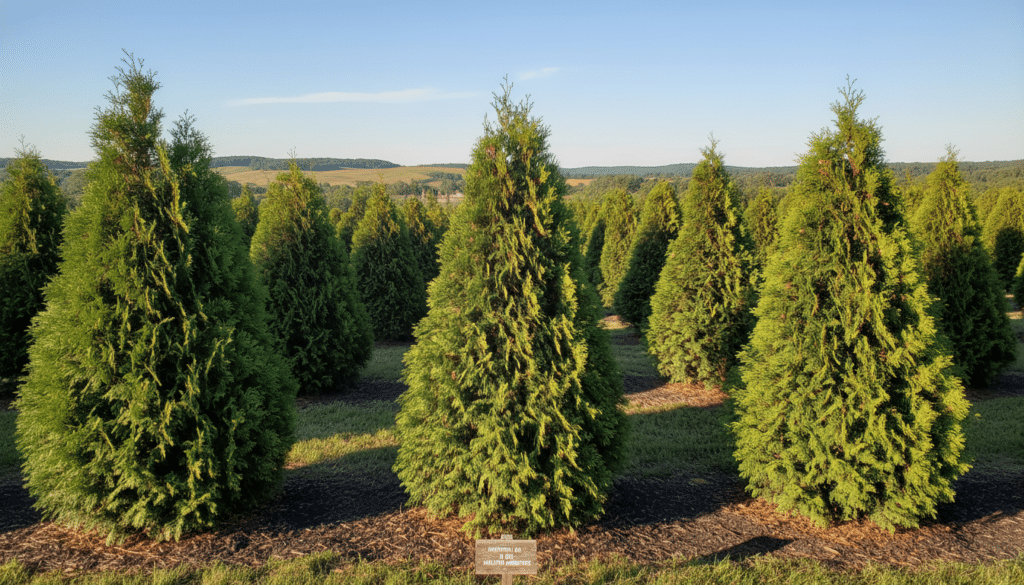
Establishing a healthy environment is the most effective way to keep your arborvitae thriving and disease-free. By focusing on proper management, you can ensure your trees have the strength to fight off common diseases before they take hold.
A proactive approach helps you avoid the stress of treating sick evergreens later. These simple cultural practices create a resilient landscape that looks beautiful year-round.
Choose the Right Planting Location
Your planting site dictates the long-term health of each plant. While these evergreens tolerate light shade, deep shade limits sunlight and stunts growth.
This lack of light keeps the foliage damp, which creates a perfect home for fungi to multiply. You should also check the soil to ensure it drains well and does not pool water after a storm.
Implement Proper Spacing and Air Circulation
Give your trees plenty of room by spacing them at least 3 to 4 feet apart. This gap allows air to move freely around every plant in your hedge.
Quick drying after morning dew or heavy rain is a vital tip for successful disease prevention. Good airflow prevents the stagnant, humid conditions that fungal spores love.
Avoid Common Planting Mistakes
Always set your arborvitae at the correct depth with the root flare visible at the surface. Buying high-quality nursery stock is another smart management step to avoid latent diseases.
Poor planting techniques often lead to transplant shock. This stress makes trees easy targets for opportunistic blight pathogens during their first year.
| Factor | Ideal Condition | Benefit |
|---|---|---|
| Sunlight | Full Sun to Light Shade | Faster drying and vigor |
| Spacing | 3-4 Feet Apart | Optimal air movement |
| Root Depth | Flare at Soil Line | Proper oxygen intake |
Reduce Tree Stress Factors
Low stress levels are essential for maintaining steady growth throughout the changing seasons. Stronger plants naturally defend themselves against environmental threats.
Manage Drought Conditions
Monitor your soil moisture carefully during long, hot summers. Even a drought-tolerant plant needs extra water if it lives in very sandy ground or exposed areas.
“A resilient plant starts with the right foundation and consistent care throughout its life.”
Avoid Aggressive Pruning
You must avoid heavy shearing or aggressive pruning of your arborvitae. Frequent wounds serve as easy entry points for aggressive diseases like Pestalotiopsis fungus.
Always use clean, sharp tools when you need to make a cut. This ensures the wood heals quickly without inviting unwanted infections into the branch.
When to Use Fungicides for Blight Control
Choosing to use fungicides is a big step in keeping your arborvitae healthy and vibrant. If your trees are recently planted and suffering from transplant shock, chemical support is often necessary. Protecting valuable specimen plants ensures your landscape investment remains beautiful for years to come.
Best Fungicide Options for Arborvitae
Your choice of fungicide depends on whether you prefer organic or synthetic solutions. Copper hydroxide fungicide for arborvitae is a classic choice that works effectively against many common pathogens. You can also select synthetic fungicides like thiophanate-methyl or mancozeb for longer-lasting protection.
These products offer a broad defense against the blight that threatens your hedge. Using these on your plants creates a protective barrier that stops fungal spores from germinating. Always follow the label instructions carefully to ensure the best results for your greenery.
Preventative Application Timing
You must use these tools preventatively to stop infections before they start. Chemicals cannot cure tissue that has already turned brown and died. Timing is everything when you apply fungicides to your landscape.
Proper coverage of every needle ensures that the fungus has no place to hide. High-quality equipment helps you reach deep into the interior of the tree. This area is where moisture usually builds up and causes the most damage.
Spring Applications
Early spring is the most important time to start your spray schedule. You should begin when the buds break and new growth first appears. Continue applying your fungicide every two to three weeks during the spring growing phase.
This routine shields the fresh foliage from common spring infections. Consistency is the secret to a healthy landscape. Making this a habit every spring will keep your trees looking their absolute best.
Fall Applications
A fall application is vital if you live in a region with high humidity and rain. Fungi often spread during the wet fall months to prepare for winter. A well-timed spring routine combined with autumn care keeps the disease pressure low.
This proactive approach prevents the blight from returning next year. Your trees will thank you for the extra attention. Taking these steps now ensures a greener and more resilient hedge when the warm weather returns.
Conclusion
Taking control of your plant health ensures these long-lived trees thrive for generations to come. You now have the practical knowledge to tackle arborvitae blight effectively. By identifying early signs, you can prevent minor needle browning from turning into severe dieback on a single tree.
Remember that both Phyllosticta and Pestalotiopsis blight spores travel long distances in the wind. Even a healthy arborvitae requires consistent management to stay strong against infection. Your arborvitae trees can live for hundreds of years if you provide the right environment.
Properly water your trees at the base to keep the needles dry. This reduces stress on the foliage and prevents blight from spreading between branches. Apply a blight treatment to protect every plant investment in your yard.
Since arborvitae wood is decay-resistant, these trees are worth saving for your privacy. Use fungicides when blight risks are high to protect each needle and branch tip. Consistent arborvitae management will restore your hedge to its former glory.
Successful arborvitae blight care keeps your tree health vibrant. Follow these blight solutions for a beautiful landscape. Your commitment ensures a lush, green screen for years to come.
| Focus Area | Management Action |
|---|---|
| Stop blight | Prune and remove infected material |
| Tree base | Use drip irrigation to keep water off foliage |
| Healthy trees | Ensure proper spacing for air circulation |
| Arborvitae specimen | Apply preventative fungicides in spring |
