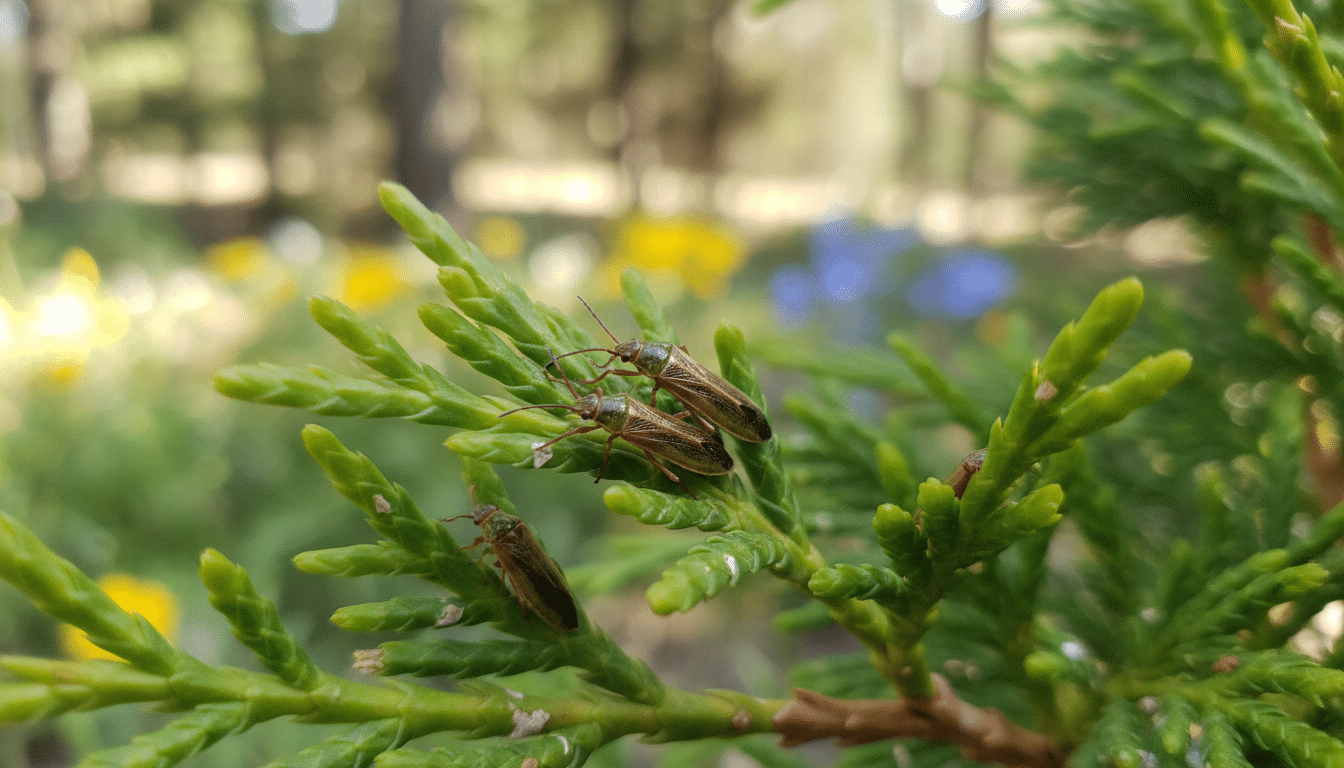
Have you ever wondered if your perfect green wall is secretly under attack? Homeowners across the United States love these evergreen trees for their beauty and privacy. While they are usually low-maintenance, tiny bugs can quickly turn your dream garden into a nightmare.
Whether you grow ‘Green Giant’ or ‘Emerald’ plants, these giants are the backbone of the modern landscape. However, certain problems can threaten their lush appearance. Protecting your trees from a harmful pest is essential for maintaining that year-round greenery you love.
Many creatures feed on over 128 different plant species. Identifying these problems early is the best way to save your trees. It is just as vital as learning about common diseases of arborvitae to keep them thriving. With the right knowledge, you can ensure your arborvitae stays healthy and strong.
Key Takeaways
- Evergreens are the top choice for creating natural privacy screens and windbreaks.
- The ‘Green Giant’ variety can reach impressive heights of sixty feet.
- Bagworms are a major threat, feeding on over one hundred different plant types.
- Early detection of scale insects prevents severe damage to your greenery.
- Maintaining your garden investment requires regular health checks and fast action.
- Timely treatment helps these popular nursery choices thrive for many years.
Common Arborvitae Bugs and How to Identify Them
Spotting unwanted visitors on your evergreens early helps you prevent irreversible damage and keep your greenery thriving. Identifying arborvitae bugs at the first sign of trouble is your strongest defense for your landscape appearance.
Catching these pests before their eggs hatch can save your trees from significant stress. Understanding the specific species targeting your yard allows for a much faster recovery.
Bagworms: The Most Destructive Arborvitae Pest
Bagworms are the most destructive species you might encounter on your arborvitae. These dark brown caterpillars grow to about 1 inch long and weave distinctive silk bags.
They build these 2-inch cocoons using the tree’s own leaves and branches. The lifecycle of this pest is quite fascinating yet dangerous for your garden.
Females never leave their bags and can lay up to 1,000 eggs at one time. Meanwhile, the males emerge as black moths to fly and mate with the hidden females.
You will notice the problem starting at the top of the tree and moving downward. As they feed, they leave behind brown, bare foliage that can ruin the plant’s health.
Spider Mites: Tiny Arachnids That Cause Discoloration
Spider mites are actually arachnids, not insects, and they are nearly impossible to see with the naked eye. These tiny mites cause noticeable color fading across your trees as they feed on the needles.
When spider mites populations explode, you might see fine webs throughout the foliage. A spider infestation often thrives in warm, dry weather conditions during the peak of summer.
You may find these mites on the southwest-facing sides of buildings where heat is highest. Stressed plants or over-pruning can also cause a mite population to grow rapidly.
Monitoring your arborvitae during hot spells is crucial. If you see a spider web, check for these mites by shaking a branch over white paper. Finding spider mites early prevents spider colonies from spreading further. Every mite you find indicates a need for immediate action before spider mites do more harm.
Scale Insects: Sap-Sucking Pests That Leave Sooty Residue
Scale insects are sap-sucking pests that use piercing mouthparts to drain vital fluids from your plants. This process causes your normally green leaves to turn a sickly yellow color.
As they feed, they excrete a sticky substance called honeydew. The most obvious sign of this pest is the black sooty mold fungus that grows on that residue.
| Sign of Scale | Visual Result | Affected Area |
|---|---|---|
| Sap Drainage | Yellow Foliage | Inner Needles |
| Honeydew | Sticky Coating | Lower Foliage |
| Mold Growth | Black Residue | Branches |
This mold covers the leaves and can even appear on items sitting beneath your trees. Learning to spot these three main insects helps you act before eggs hatch or serious harm occurs.
“Early identification of garden pests is the most effective way to maintain a vibrant and healthy outdoor space year-round.”
How to Treat Arborvitae Bug Infestations

You don’t have to let bugs ruin your landscape since effective treatment options exist for every common arborvitae pest issue. Taking action at the right time is the most crucial factor for success. Whether you prefer organic solutions or need a stronger way to handle the problem, you can protect your greenery from lasting damage.
Manual Removal Techniques for Bagworms
For light infestations, the best approach is to work systematically through each section of your arborvitae. Pick the bags off the tree by hand. Be very thorough because even one female left behind can lay up to 1,000 eggs.
If you cannot reach the top branches, use a garden hose with strong water pressure to knock the bags down. Once they are on the ground, collect every single one carefully. You must destroy the bags to prevent them from returning next year. Experts recommend either burning the bags or drowning them in a bucket of soapy water.
Using Bacillus Thuringiensis and Other Treatment Options
If the infestation is heavy, you might need a biological treatment like Bacillus thuringiensis (Bt). This is a safe plant spray that targets caterpillars. It won’t harm birds or other animals, but it kills the worms once they begin to eat.
The best time to apply Bt is in the morning or evening when the caterpillars are actively feeding. Usually, June is the best month for this application in many regions. Try to treat all your trees at the same time. Even if only one plant looks sick, pests can hide on others and reappear for years.
Professional targeted applications during and after egg hatch periods can significantly reduce pest populations and minimize long-term impact on your landscape.
Treating Spider Mites and Scale Insects
Battling spider mites often requires specialized products and multiple applications. These tiny pests reproduce very fast during the warm days of spring and summer. You may need to spray the foliage several times to break their life cycle.
For scale insects, you can fight back by using dormant oil during the late winter or early spring. Boosting tree health through professional care services also helps your evergreens defend themselves naturally. Contact your local extension office for region-specific recommendations on the most effective treatments.
| Pest Type | Primary Treatment | Best Application Period |
|---|---|---|
| Bagworms | Manual Picking / Bt Spray | Early Summer (June) |
| Spider Mites | Miticide / High-Pressure Water | Warm Spring & Summer |
| Scale Insects | Dormant Oil | Late Winter / Early Spring |
Always remember to follow product labels carefully to ensure the safety of your trees and the surrounding environment.
Preventing Arborvitae Pest Problems and Supporting Tree Health
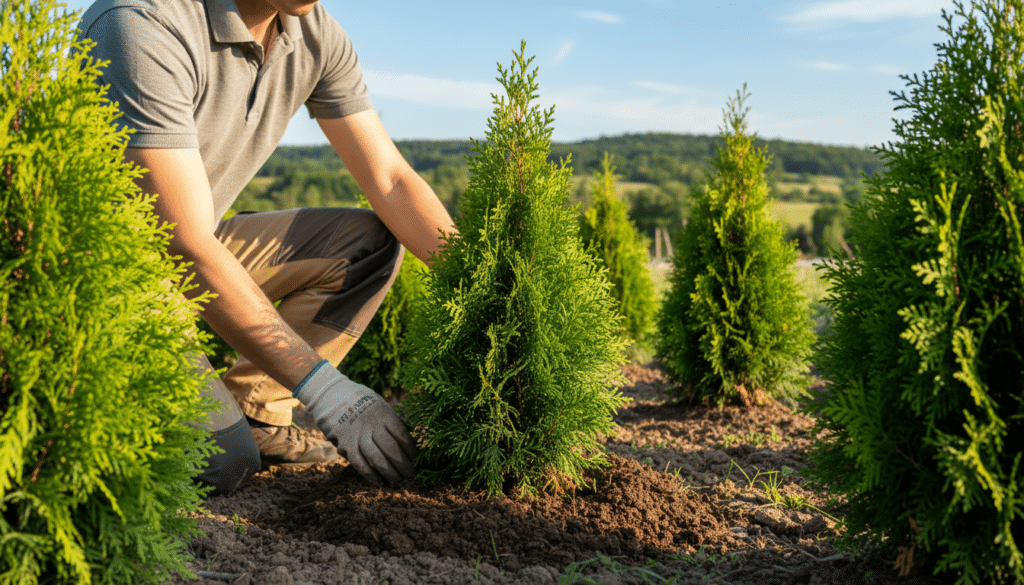
Preventing pest issues on your arborvitae shrubs is always easier than treating an active infestation. Taking care of your landscape now saves you time and money later. By focusing on overall health, you keep each tree naturally resistant to common problems.
Proper Planting Location and Spacing
Success begins with smart planting decisions. Avoid placing ‘Emerald’ or ‘Green Giant’ varieties in deep shade, as they often develop disease in wet conditions. High-heat areas, such as the southwest side of your home, can lead to increased spider mite activity on your plants.
You should space your trees well to allow air to dry the branches quickly after heavy rain. Proper airflow is a simple way to stop fungal growth. Always set your plant slightly higher than the soil line to protect it from root rot.
Watering, Nutrition, and Winter Protection
Water your arborvitae deeply but infrequently to keep the soil moist without it becoming soggy. This technique encourages deep roots and prevents the stress that attracts pests. Healthy shrubs are much less likely to suffer from mite or scale invasions.
Protect your plants from winter burn by watering them thoroughly before the first frost hits. Apply a fresh layer of mulch every year to insulate the roots. You can also use anti-desiccants to keep needles from drying out during the harsh winter months.
Annual Maintenance and Early Detection
All conifers naturally drop older needles from their interior. You should clear these dead needles to stop moisture from trapped debris, which often causes canker disease. Keeping the center of your shrubs clean improves light and air reach.
Check your trees often for early signs of trouble like browning or small webs. Catching these issues early makes planting health strategies and treatment much more effective. Your proactive care ensures a vibrant, green screen for years to come.
Maintaining a vigorous plant is the most effective way to deter opportunistic pests.
| Strategy | Best Timing | Primary Benefit |
|---|---|---|
| Deep Watering | Before winter Frost | Prevents Needle Desiccation |
| Interior Cleaning | Once Per year | Reduces disease Risk |
| Proper planting | Spring or Fall | Ensures Strong Root Health |
| Mulching | Late Autumn | Insulates Soil and Roots |
Conclusion
Keeping your arborvitae lush and green is a journey that requires consistent care and early action. While a pest infestation causes stress, quick intervention is the best way to protect your landscape.
If you observe early signs of trouble, do not lose hope immediately. Use your fingernail to scrape a branch and inspect for living green tissue inside. If it remains green, the plant may still be viable and produce growth the next year.
Recovery from heavy damage often takes several years as new growth emerges from branch tips in the spring. Check your trees often during warm days to catch a potential problem early.
If an infestation ruins the appearance of the plant, you might eventually need to replace those trees. Stressed plants are more prone to arborvitae diseases and other health problems.
Staying alert for a few days each month helps you avoid these problems for many years. Vigilance and proper maintenance ensure your garden remains a beautiful sanctuary for your family to enjoy.
| Recovery Step | Desired Outcome |
|---|---|
| Fingernail Scratch Test | Identifying viable green tissue. |
| Seasonal Monitoring | Spotting tip growth in spring. |
| Preventative Care | Reducing tree stress and vulnerability. |
