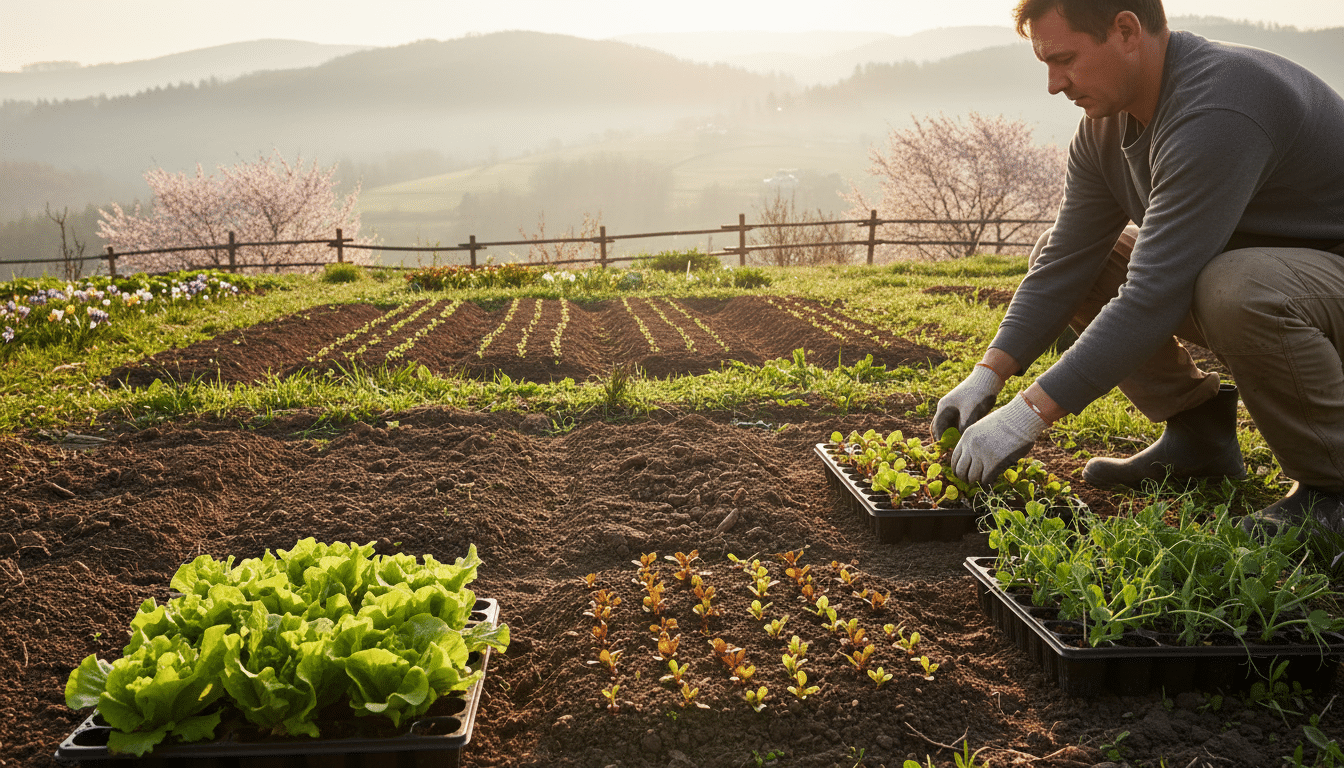
What if you could harvest a bounty of fresh produce from your backyard before summer even begins? This isn’t just a dream for seasoned farmers. With the right planning, your garden can be a source of crisp, homegrown food while the weather is still pleasantly cool.
For many in regions like Zone 6A, the early spring planting window opens as early as March. Getting a head start during this season is crucial for a successful and extended harvest. Some crops, like leafy greens, can go from seed to your salad bowl in about a month.
There’s a unique satisfaction in watching the first green shoots push through the soil. It’s a rewarding project that connects you with your food. By focusing on the right plants now, you set the stage for months of abundance.
Key Takeaways
- Starting your planting in early spring leads to a longer harvest window.
- Cool-season crops thrive before the intense summer heat arrives.
- Planning your garden layout now maximizes space and overall yield.
- Fresh homegrown produce offers superior taste and nutritional value.
- Gardening provides a deeply rewarding sense of accomplishment.
- Knowing your specific planting zone ensures you sow at the optimal time.
Preparing Your Garden for Early Spring
The success of your cool-season harvest begins long before the first seed touches the earth. A little effort now creates a strong foundation for your plants. This initial work pays off with healthier growth and a more abundant yield.
Soil Testing and Nutrient Enrichment
Before any planting begins, test your soil. A simple kit reveals pH and nutrient levels. This tells you exactly what your garden needs.
Adding organic compost is a powerful next step. It feeds the earth and improves its structure. Your crops will establish roots more easily in this rich environment.
Advantages of Raised Beds and Proper Drainage
Using raised beds is a smart move for early spring. The soil inside them thaws and warms much faster than the cold ground. This gives you a crucial head start on the season.
Good drainage stops water from pooling around roots. You can use a fork to loosen the earth for better aeration. These steps prevent common problems during wet periods.
| Amendment | Primary Benefit | Best Use Time |
|---|---|---|
| Compost | Adds nutrients & improves texture | Early spring or fall |
| Aged Manure | Boosts nitrogen levels | Several weeks before planting |
| Leaf Mold | Enhances moisture retention | When preparing beds |
| Perlite | Increases drainage & aeration | During initial soil mixing |
Understanding Cool Weather and Planting Zones
Gardeners across the country rely on a simple map to make informed decisions about their planting calendar. Your local climate is the most important factor for a successful start. Understanding it removes the guesswork.
This knowledge helps you pick the right time for your crops. It also protects them from unexpected frosts.
Using the USDA Hardiness Zone Map
The USDA Plant Hardiness Zone Map is a vital tool. It divides North America into zones based on average annual minimum winter temperatures. You can find your zone by entering your zip code online.
“Knowing your zone is like having a cheat sheet for the garden. It tells you when the ground is truly ready.”
This map guides your selection of plants that will survive your winters. It provides a baseline for your early spring schedule.
Timing Your Planting with Local Weather
Your zone gives a general guideline, but local weather patterns are key. Early spring can be very unpredictable. A warm week in March might be followed by a hard freeze.
Monitor your local forecast closely. In regions like New England, the soil often isn’t workable until April. Patience here prevents damage.
| USDA Zone | Typical Last Spring Frost | Example Regions |
|---|---|---|
| 5b | April 15 – April 30 | Parts of Iowa, Nebraska |
| 6a | April 1 – April 15 | Southern Pennsylvania, Missouri |
| 6b | March 30 – April 10 | Central Virginia, Kansas |
| 7a | March 15 – March 30 | North Carolina, Tennessee |
Aligning your planting with this data is the secret. It helps your cool weather crops thrive without stress.
Selecting the best vegetables to grow in spring for Maximum Yield
A successful spring harvest hinges on picking varieties that love the chill. This choice determines how much you’ll gather from your garden beds.
Overview of Top Spring Vegetables
Radishes are a top pick for their speed. You can pull them up in just three to four weeks. Leafy greens like lettuce offer a continuous supply.
You can cut leaves as needed. Sugar snap peas climb trellises happily. They produce sweet pods when temperatures stay under 85°F.
Why These Varieties Thrive in Cool Conditions
These plants have adapted to cooler soil and air. They often become sweeter after a light frost. The cold slows down pests, too.
“Cool-season crops like broccoli and cabbage actually develop better flavor when they mature slowly in the chill,” notes a seasoned gardener.
Their growth cycles align perfectly with early spring’s length. You harvest them before summer heat arrives.
| Crop | Days to Harvest | Cool-Weather Advantage |
|---|---|---|
| Radishes | 21-28 | Fast growth in cool soil |
| Broccoli | 50-70 | Develops tight heads in chill |
| Lettuce | 30-45 | Leaves stay crisp and sweet |
| Carrots | 55-80 | Roots sweeten in cool earth |
Planting these varieties now ensures a robust yield. Your garden will be full of crisp, flavorful produce like beets and carrots.
Tips and Techniques for Successful Planting
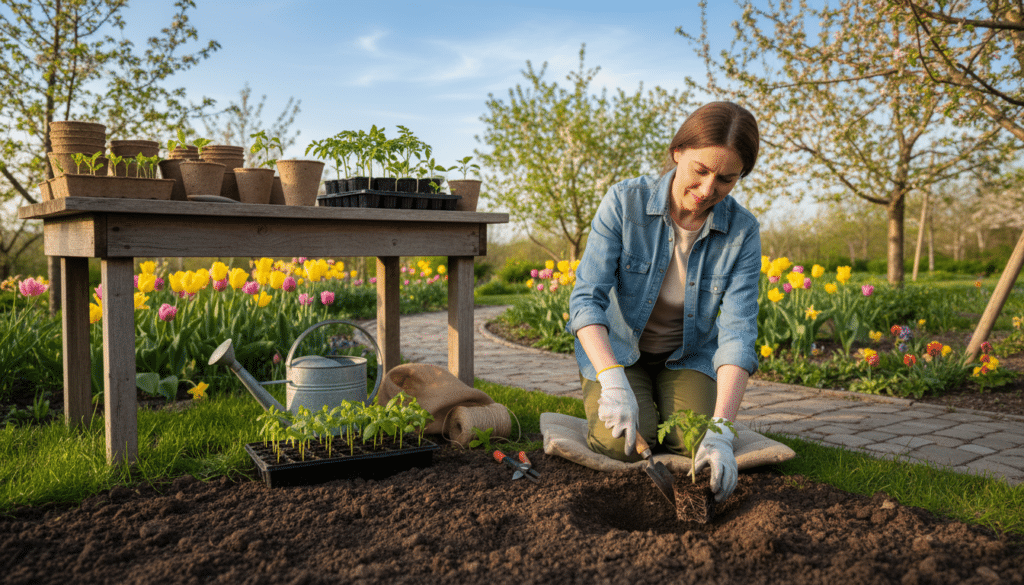
There are two main paths for getting your crops started: indoors under lights or directly in the garden soil. Your choice depends on the plant and your local climate. Getting this step right ensures strong, healthy roots and a great harvest.
Seed Starting and Transplanting Methods
Starting seeds indoors gives you a head start. You can begin weeks before the last frost. Provide plenty of light to keep seedlings stocky and strong.
For crops like broccoli, give them ample space—about 18 to 24 inches apart. This allows for full development. When moving seedlings outdoors, handle them gently to avoid disturbing their delicate roots.
- Direct sowing is simpler for many early spring favorites. Peas and radishes prefer to go straight into the ground.
- After planting, remember to thin seedlings. This gives each plant the room it needs to thrive.
- Try succession planting every few weeks. You’ll enjoy a longer harvest window this year.
Following these methods sets your spring vegetables up for success. You’ll watch your garden flourish from the very first seeds.
Caring for Your Spring Crops
Protecting your garden from common spring challenges is simpler than you think. Consistent care routines keep your plants thriving through the cool, damp weather. This attention leads to a robust harvest.
Watering, Fertilizing, and Pest Prevention
Water your plants at the base to avoid wetting leaves. This prevents disease. Keep the soil consistently moist, but don’t overwater during cool periods.
Apply a balanced organic fertilizer or compost tea every three to four weeks. This feeds your crops the nutrients they need for healthy growth.
Use row covers to create a physical barrier against pests like aphids. Check your garden regularly for early signs of trouble. Natural solutions work best when applied quickly.
Water in the morning so soil absorbs moisture before temperatures drop. This helps prevent frost damage to tender roots.
Mulch around your plants to retain soil moisture and suppress weeds. It makes garden maintenance easier this year.
If broccoli or cauliflower starts to bolt, harvest the heads immediately. This preserves their flavor.
| Task | Frequency | Key Benefit |
|---|---|---|
| Deep Watering | When top inch of soil is dry | Promotes strong root development |
| Apply Compost Tea | Every 3-4 weeks | Provides balanced nutrients |
| Inspect for Pests | Daily or weekly | Early detection allows natural control |
| Refresh Mulch | Once per month | Conserves moisture, blocks weeds |
| Harvest Bolting Heads | Immediately when seen | Preserves peak flavor and texture |
Creative Garden Layouts and Maximizing Harvest Space
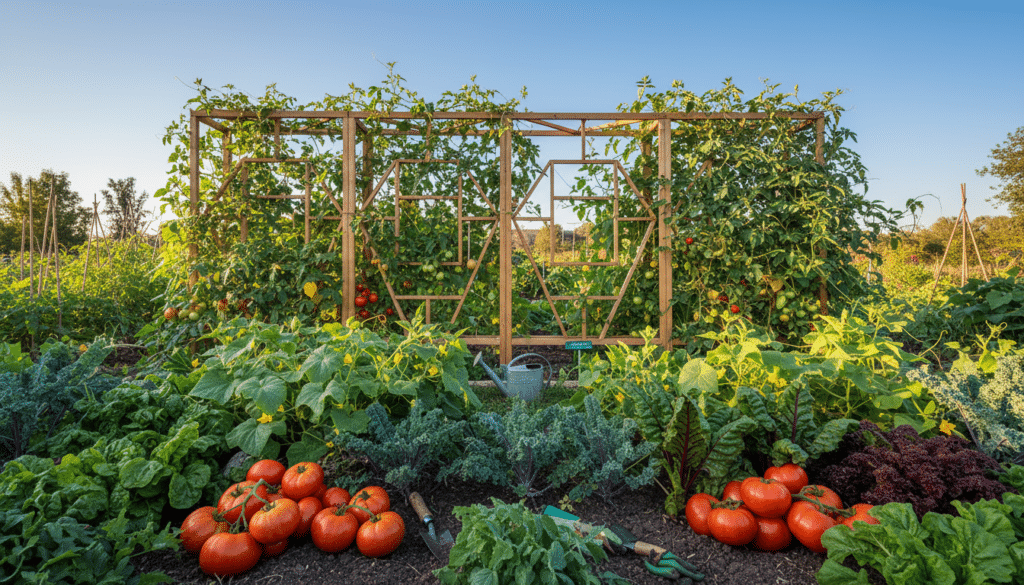
Smart spatial planning can double the output of your edible landscape without expanding its footprint. It’s about working smarter, not harder, with the area you have.
Thoughtful design ensures every plant gets the light and space it needs. This approach turns a small plot into a highly productive spring garden.
Intercropping and Succession Planting Strategies
Intercropping is a brilliant way to use garden real estate. You plant fast and slow-maturing crops together.
For example, sow quick radishes between slower broccoli or carrots. You’ll harvest the radishes just as the other plants need more room.
“Succession planting is the key to a non-stop salad bar. I sow a new row of lettuce seeds every two weeks,” shares an experienced home gardener.
This method guarantees a steady supply of fresh salads throughout the season. Your garden remains full and productive from early spring onward.
Using Trellises and Garden Supports
Growing vertically is a game-changer. It keeps plants healthy and makes your harvest much easier.
Erecting a simple trellis for sugar snap peas frees up valuable ground space. The vines climb happily, improving air circulation.
This simple step helps prevent disease. It also keeps the crisp pods clean and within easy reach.
| Support Type | Best For | Key Advantage |
|---|---|---|
| Trellis | Peas, Beans | Maximizes vertical space; easy harvest |
| Netting | Cucumbers, Melons | Provides wide, sturdy climbing surface |
| Bamboo Teepee | Pole Beans, Peas | Simple DIY project; great for small gardens |
| Stake & String | Tomatoes, Peppers | Offers direct, adjustable stem support |
Conclusion
The journey from seed to harvest in your own garden is filled with learning and delicious rewards. It connects you with nature and provides the freshest food for your table.
Selecting the right varieties and enriching your soil with compost sets the stage for success. Your efforts during the cool weather of early spring pay off with a robust yield of crisp produce.
Gardening is a continuous learning process. Note what works best in your local season and planting zone. Begin with a small plot and expand as your confidence grows.
Before long, you’ll be harvesting sweet peas, hearty broccoli, and vibrant carrots. Each plant offers a unique flavor and satisfaction.
Embrace the experience and enjoy the fruits of your labor. Happy gardening this spring!
