What if you could grow so much zucchini that you’d have plenty to share and still enjoy a summer-long harvest?
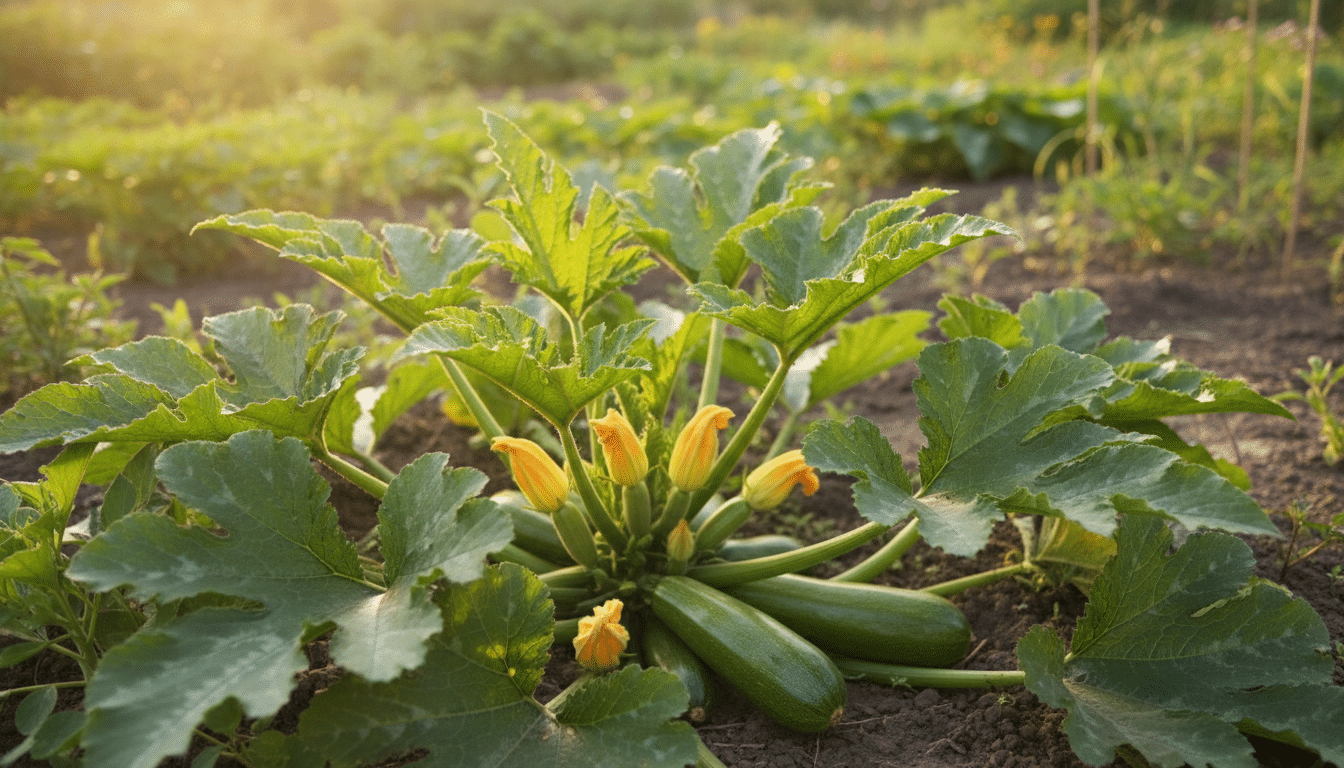
Master Gardener Catherine Boeckmann calls these famously productive plants a delightfully sneaky garden staple. Their large, broad leaves often conceal a bounty of fruit, turning harvest into a fun game of hide-and-seek.
This warm-season squash is a champion producer. A single plant can yield a staggering amount. Many gardeners find themselves with an abundance to give away.
Success lies in understanding their specific needs. This guide walks you through the essential steps. You’ll learn how to cultivate a thriving patch that provides a steady supply.
Whether you prefer green, yellow, or round varieties, the principles are the same. Get ready for a season filled with fresh, homegrown flavor.
Key Takeaways
- Zucchini are incredibly prolific warm-season plants that can produce a large harvest.
- Their large leaves often hide developing fruit, making regular checking important.
- Proper timing and care are essential to avoid a single overwhelming glut of produce.
- These plants are ideal for home vegetable gardens and often yield enough to share.
- Understanding spacing, sunlight, and watering needs leads to a continuous summer harvest.
- Different varieties, including classic green and yellow squash, follow similar growing rules.
- A successful crop provides fresh fruit for your kitchen over an extended period.
Overview and What You’ll Learn
This comprehensive guide demystifies the process of cultivating summer squash for a rewarding harvest. It’s designed for anyone eager to turn a small garden plot into a source of fresh produce.
You’ll gain the knowledge to nurture these prolific vegetables from start to finish. Our friendly approach removes any guesswork, making success achievable for all skill levels.
Introducing the Friendly Guide to Growing Zucchini
We walk you through the entire lifecycle. This includes sowing seeds, nurturing young seedlings, and finally gathering your crop.
Essential care techniques are explained in simple terms. You’ll learn about proper watering, feeding, and protecting your vegetables from common issues.
| Topic | What You’ll Learn | Benefit for Your Garden |
|---|---|---|
| Planting Basics | Ideal soil conditions and sowing methods for strong starts. | Establishes a healthy foundation for vigorous growth. |
| Ongoing Care | How to manage water, nutrients, and space effectively. | Promotes continuous fruit production and plant health. |
| Harvest & Storage | Recognizing peak ripeness and best post-harvest practices. | Ensures you enjoy the freshest flavor and minimize waste. |
Key Topics and Benefits for Your Garden
Following these methods keeps your patch productive from spring until fall. Healthy plants yield an abundant supply for your kitchen.
You will feel confident managing your own successful vegetable gardening project. The result is a season filled with homegrown goodness.
Understanding Zucchini and Summer Squash
Summer squash, like zucchini, offers a different gardening experience compared to its winter cousins. Knowing these differences helps you plan your garden better.
You’ll manage space and harvest times more effectively. This knowledge is the first step toward a great yield.
Differences Between Summer and Winter Squash
Summer squash has thin, edible skin. You pick it young during warm months. Winter squash develops a hard, thick skin. It is harvested in autumn for long storage.
Most summer types are bush plants. They stay compact. Many winter varieties are vigorous vining plants. They need lots of room to roam.
Botanically, zucchini is a fruit. In your kitchen, it’s treated as a versatile vegetable. This is true for all summer squash.
| Characteristic | Summer Squash | Winter Squash |
|---|---|---|
| Skin | Thin and edible | Thick and hard |
| Harvest Time | Warm season, young fruit | Autumn, mature fruit |
| Growth Habit | Mostly bush type | Often vining type |
| Storage Life | Short, eat soon | Long, stores for months |
Choosing the Right Type for Your Garden
Select a variety based on your space. Some zucchini plants are very compact. Others are vining and need a trellis or lots of ground.
Planting two or three different types boosts biodiversity. This strategy helps your garden handle weather changes. You ensure a successful harvest.
Consider your goals. Do you want a quick, abundant crop? Summer squash is your answer. For a fall bounty, look at winter types.
When to Plant Zucchini
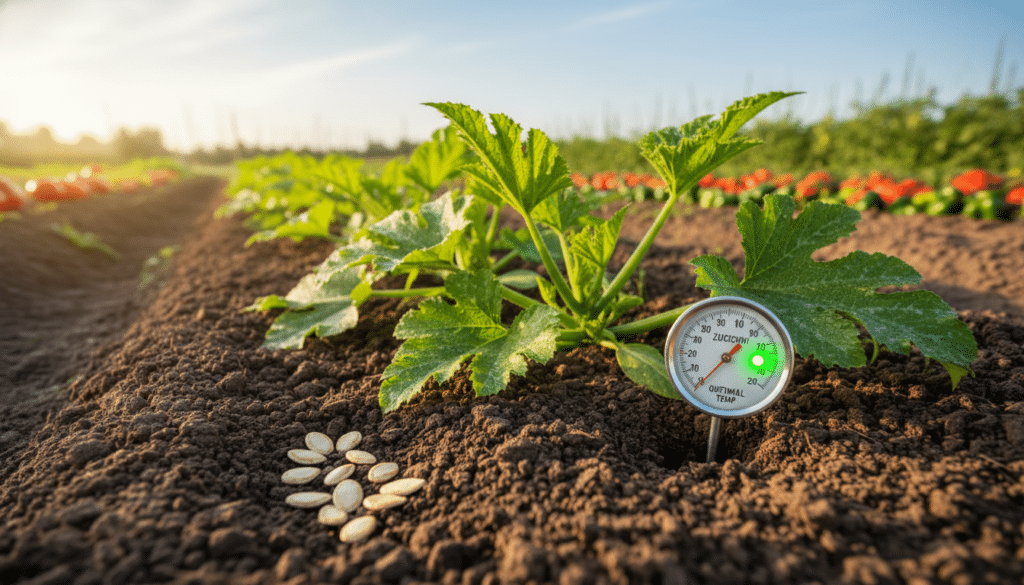
A successful zucchini harvest hinges on two critical factors: soil warmth and freedom from frost. Getting this timing right is the first major step toward a season of abundance.
Ideal Temperature and Frost-Free Guidelines
These heat-loving squash demand warm earth. You must wait until your garden’s soil temperature reaches at least 65° to 70°F. Cold, damp earth will cause seeds to rot instead of sprout.
All danger of frost must be completely past. A single cold snap can damage or kill young seedlings. If your region has a short summer season, begin indoors.
Start your seeds inside 2 to 4 weeks before the final spring frost date. This gives you a head start. You’ll have sturdy young plants ready for transplanting once the weather settles.
Germination typically happens in one to two weeks. From there, growth is rapid. You can expect the first blooms in about 45 to 50 days.
Always select a spot with full sun. These prolific producers need maximum warmth and light. This ensures a healthy, continuous crop of summer squash.
Preparing Your Garden and Soil
Before a single seed goes into the ground, preparing your soil sets the stage for success. Think of it as building a strong foundation for your future harvest.
Great earth is alive and full of nutrients. Your squash will reward you with vigorous growth and plenty of fruit.
Soil Testing and Amendment Tips
Start with a simple soil test. This reveals your garden’s pH level and nutrient profile.
The ideal range for summer squash is between 6.0 and 7.0. If your pH is off, you can easily adjust it.
Amending your soil is the next crucial step. These plants are heavy feeders, craving rich conditions.
Mix in generous amounts of finished compost. This improves texture and provides a slow-release nutrient feast.
Is your garden soil heavy clay? Improve drainage by blending in equal parts sand and compost. Your vegetable roots will thank you.
Using Compost and Organic Fertilizers
Compost is your best friend for building fertile earth. It feeds the soil’s ecosystem, which in turn feeds your plants.
For an extra boost, apply a high-quality all-purpose fertilizer at planting time. A product like Trifecta+ gives young squash a powerful start.
You can even plant directly on top of a compost heap. This creates an incredibly rich growing medium for your crop.
| Soil Condition | Recommended Amendment | Primary Benefit |
|---|---|---|
| Low Fertility / Poor Structure | Finished Compost | Adds nutrients & improves texture |
| Heavy Clay Soil | Equal Parts Sand & Compost | Enhances drainage & aeration |
| General Planting | All-Purpose Organic Fertilizer | Provides immediate nutrient support |
| Maximizing Resources | Planting on a Compost Heap | Utilizes existing nutrient-rich material |
With your soil properly prepared, your garden is ready to support a thriving, productive patch.
Planting Techniques for Zucchini
The method you choose for starting your squash can influence your entire season’s harvest. Getting it right gives your plants a powerful beginning.
Sowing Seeds Indoors Versus Direct Sowing
For direct sowing, place your seeds about 1 inch deep. Space them 2 to 3 inches apart in level ground. This gives each seed the best chance to sprout strongly.
Starting indoors gives you a head start. Use peat pots for easy transplanting. Always handle tender seedlings by a leaf, not the stem.
Sowing 3 or 4 seeds in small mounds is a smart trick. The soil in a mound warms up faster than flat earth. This extra heat helps young plants grow.
After germination, you must thin the patch. Remove weaker sprouts so the vigorous ones have room. They’ll get more compost and fertilizer this way.
Never skip hardening off. Leave your squash in a sheltered spot for a few days. This lets them adjust to outdoor air and sun before final planting.
Following these steps leads to successful growing zucchini. You’ll enjoy a bountiful summer of fresh summer squash.
Spacing, Mounds, and Raised Beds
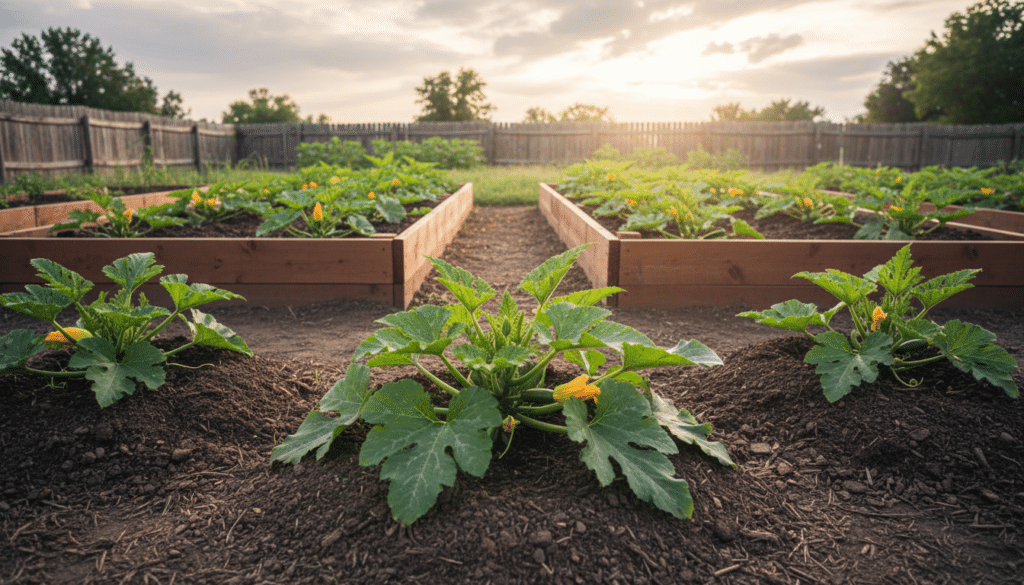
Smart spacing and clever gardening methods can transform your zucchini patch’s productivity. How you arrange these vigorous growers directly impacts their health and your harvest.
Proper spacing to prevent overcrowding
These squash plants need ample room. Many varieties spread up to four feet wide. Some vining types can reach six feet in length.
Always keep rows at least two to three feet apart. This prevents overcrowding. Good air circulation keeps foliage dry and deters disease.
Within a row, space individual plants about three feet apart for bush types. This strategic layout minimizes competition for nutrients and sunlight.
Benefits of mounds and raised bed gardening
Mounds are a classic technique for a reason. The soil in a mound warms up faster than level ground. This gives your plants a vigorous early-season boost.
Raised beds solve drainage problems. They are perfect for compacted earth. In a standard four-foot by four-foot bed, you can typically grow two or three zucchini plants.
Both methods make garden management easier. You’ll enjoy healthier specimens and a more abundant yield all season long.
Caring for Your Zucchini Plants
Consistent care is the secret to unlocking a non-stop harvest from your garden’s star performers. Daily attention keeps your squash healthy and productive all season long.
Watering Methods and Moisture Management
Your plants need about one inch of water each week. Apply it slowly so it soaks deep into the soil. This encourages strong roots.
Always water at the base. Avoid getting water on the leaves. Wet foliage can lead to powdery mildew.
A layer of organic mulch works wonders. It locks in moisture, blocks weeds, and keeps roots cool during the summer heat.
Fertilizing and Mulching for Optimal Growth
Feed your plants when the first flowers open. Side-dress with a balanced fertilizer. This supports the development of perfect fruit.
Watch for bee activity. Poor pollination causes odd-shaped summer squash. You might need to transfer pollen by hand.
These simple steps ensure your garden thrives. You’ll enjoy a continuous supply of fresh produce.
| Care Task | Best Method | Key Benefit |
|---|---|---|
| Watering | Slow, deep soaking at the base | Promotes deep roots & prevents disease |
| Mulching | Apply 2-3 inches of compost around plants | Conserves water, suppresses weeds, cools soil |
| Fertilizing | Side-dress with balanced feed at bloom | Fuels fruit production & plant vigor |
| Pollination Check | Observe bees; hand-pollinate if needed | Ensures well-formed, healthy fruit |
Preventing Pests and Diseases
Your summer squash bounty depends on proactive defense against a few key threats. Vigilant care keeps your garden thriving all season.
Managing Common Pests Like Squash Bugs and Vine Borers
Squash bugs weaken your plants by feeding on sap. Check leaf undersides for their bronze eggs twice a week. Knock adults into soapy water.
Squash vine borers burrow into stems, causing sudden wilting. Prevent them with floating row covers early on. Wrapping lower stems in foil also helps.
Controlling Powdery Mildew and Blossom-End Rot
Powdery mildew forms a white film on leaves. Improve air flow and mist foliage with a mix of one-third milk and two-thirds water.
Blossom-end rot creates dark, sunken spots on fruit. It’s caused by uneven soil moisture. Keep the earth damp like a wrung-out sponge.
If your squash only makes male flowers, it’s stressed. Ensure it gets full sun and enough nutrients. Healthy plants support good pollination.
Regular checks and proper pruning techniques improve air circulation. This reduces hiding spots for pests.
| Problem | Signs | Prevention Method |
|---|---|---|
| Squash Bugs | Bronze eggs on leaves, wilting | Hand-pick eggs; drown adults in soapy water |
| Squash Vine Borers | Sudden wilting; sawdust-like frass | Use row covers; wrap stems with foil |
| Powdery Mildew | White, powdery coating on foliage | Milk spray; ensure good air movement |
| Blossom-End Rot | Dark, leathery spots on fruit ends | Maintain consistent soil moisture |
Growing Zucchini in Containers
Limited outdoor space doesn’t have to limit your dream of harvesting fresh squash from your own garden. Container gardening opens up a world of possibilities for patios, balconies, and small yards.
You can enjoy a bountiful summer harvest with just a few smart choices. This method is perfect for urban and suburban growers alike.
Choosing the right container and potting mix
Select a large pot for each of your zucchini plants. A five-gallon bucket or a fourteen-inch diameter container provides adequate room for roots.
Fill it with a high-quality, rich potting mix. This ensures excellent drainage and fertility for your vegetable.
Wait until your soil temperature is reliably warm. Then, direct-sow two seeds about one inch deep.
Later, thin them to the single strongest seedling. This gives your crop the best start.
Tips for trellising and space-saving solutions
For vining squash varieties, insert a sturdy trellis directly into the pot at planting time. The plant will climb as it matures, saving valuable space.
Always water the soil directly. Avoid wetting the leaves to help prevent powdery mildew.
Feed your container plants regularly. Apply a slow-release fertilizer after the first true leaves appear.
Follow with a weekly dose of balanced liquid feed. This supports vigorous growth and plenty of fruit all season long.
Harvesting and Storing Your Crop
Harvesting at the perfect stage ensures the best flavor and texture from your summer produce. Your diligent care culminates in this rewarding moment. Gathering your bounty at its peak guarantees a delicious reward.
Recognizing the Right Time to Harvest
Pick summer squash while they are still tender. Ideal size is between six and eight inches long. Larger fruit often develops a bland taste and poor texture.
Most varieties mature in about sixty days. They are ready for picking as soon as one week after the flowers bloom. Check your garden every other day during peak season.
Use a sharp knife for a clean cut. Slice the fruit from the vine, leaving at least an inch of stem attached. This prevents any damage to your vegetable producer.
Best Practices for Storing Zucchini
Freshly picked squash keeps well in the refrigerator. Place it in your crisper drawer inside a plastic or paper bag. Leave one end of the bag open for air flow. It will stay crisp for about ten days this way.
Have an overwhelming abundance? Preserve your extras for later use. Blanch slices briefly in boiling water, then cool them quickly in ice water. Drain thoroughly and pack into freezer bags.
Frozen squash maintains good quality for up to three months. This method lets you enjoy your homegrown harvest long after the summer sun fades.
Conclusion
With the knowledge from this guide, you’re equipped to turn a simple garden plot into a continuous source of delicious, homegrown produce.
Growing zucchini is a wonderfully rewarding experience. These prolific plants often provide plenty of fresh summer squash for your kitchen. You’ll likely have an abundance to share with friends and neighbors.
The key to success is consistent care and attention. Unlike winter squash, this warm-season crop is manageable if you stay vigilant. Regular checks and harvests keep your plants healthy and productive.
We hope this guide fills you with confidence. Enjoy your bountiful, homegrown harvest!
