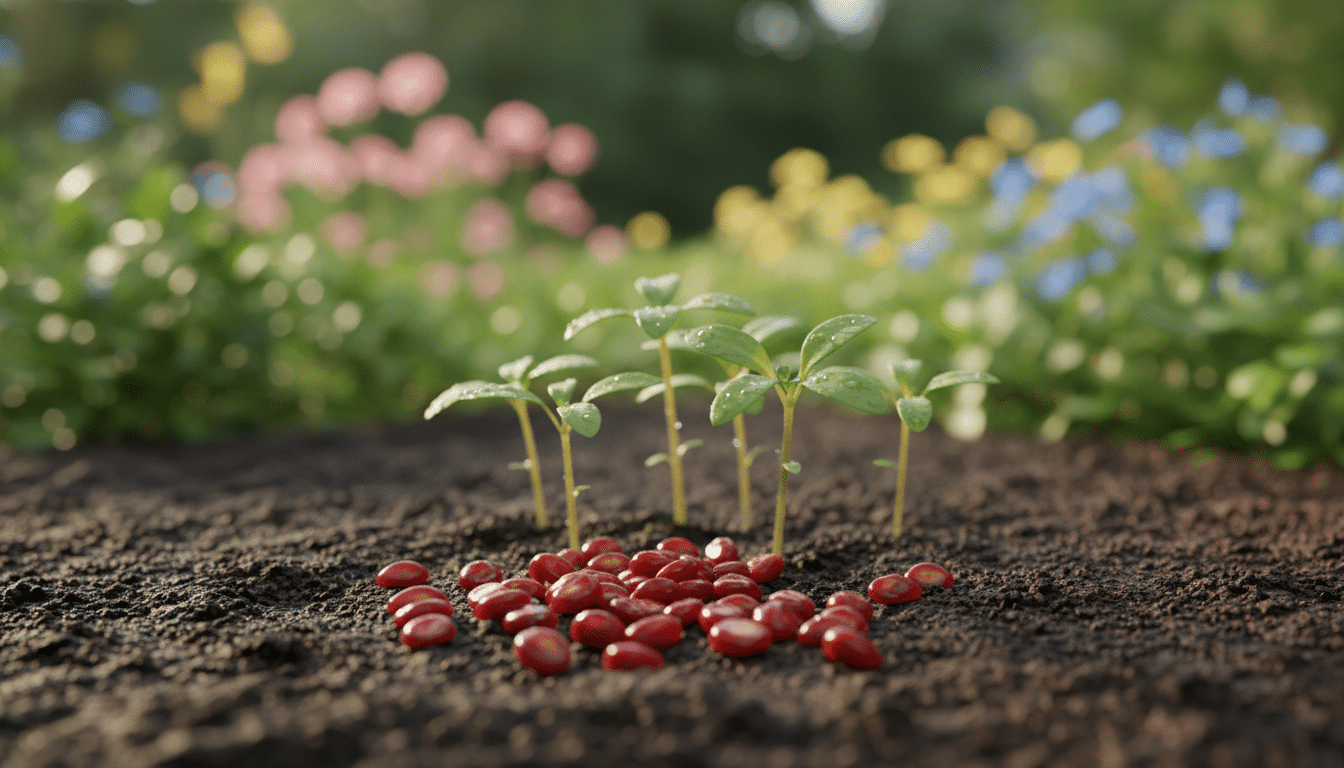
What if you could grow a summer’s worth of juicy, sun-ripened tomatoes from a tiny packet of seeds?
This journey begins with a fascinating history. The tomato (Solanum lycopersicum) originated in South America. It is now a beloved vegetable and a staple in the North American backyard.
Starting your own plants from seeds opens a world of possibilities. You gain access to hundreds of unique varieties. These range from large beefsteak types to small, sweet cherry tomatoes.
This method is often more cost-effective than buying nursery starts. It provides a deeply rewarding experience. You connect directly with the food you eat and ensure robust, healthy plants.
Mastering this art lets you select perfect varieties for your local climate and soil. Your garden becomes a personalized source of fresh flavor.
Key Takeaways
- The tomato plant has a rich history, originating in South America.
- Cultivating from seeds gives you access to a vast selection of varieties.
- It is a cost-effective approach to stocking your garden.
- The process is incredibly rewarding and ensures plant health.
- You can choose varieties specifically suited to your growing conditions.
- Starting from seed fosters a deeper connection to your food.
- It’s a fundamental skill for any aspiring vegetable gardener.
Preparing for Tomato Seed Starting
Getting your tomato seeds off to a strong start requires understanding two key elements. Proper planning now leads to healthy, productive plants later.
Understanding the Tomato Life Cycle
The tomato is an annual crop. It completes its full life cycle in one season, from germination to producing fruit and then dying.
Knowing this helps you plan your schedule. You time your seed starting so robust seedlings are ready for the outdoor garden season.
Choosing the Right Seed-Starting Mix
Your choice of medium is critical. Always use a sterile, soilless mix labeled for seed starting. Heavy garden soil or ordinary potting soil can cause problems.
These heavier soils drain poorly and may harbor diseases. A proper seed-starting mix provides the ideal environment for your seeds to sprout.
Ensure the mix is moist but not soaking wet before you plant. This gives your young seedlings the perfect foundation for growth.
Selecting the Best Tomato Varieties for Your Garden
Navigating the world of tomato varieties opens up exciting possibilities for your garden. You can choose from heirloom treasures to modern hybrids, each with unique flavors and growth habits.
Reputable sources like Seed Savers Exchange offer dozens of outstanding options. This makes it simpler to find the right fit for your specific needs.
Determinate vs. Indeterminate Varieties
Understanding growth habits is crucial. Determinate tomato plants grow like compact bushes, usually reaching about three feet tall.
They produce all their fruit in one concentrated harvest. This makes them ideal for canning or sauce-making.
Indeterminate varieties behave like climbing vines. They can grow six to ten feet tall and produce fruit continuously until frost.
These plants need sturdy support like tall cages or stakes. They provide a steady supply of fresh tomatoes all season long.
Consider what you want from your harvest. Do you prefer large slicers, meaty paste types, or sweet cherry tomatoes?
Always check for disease-resistance codes like V (verticillium wilt) or F (fusarium wilt). This simple step helps ensure healthier plants and a more reliable harvest.
How to Grow Tomatoes from Seed: Step-by-Step Process
Your path to plump, vine-ripened fruit starts with precise indoor seed starting. This phase is all about creating the perfect launchpad for your future harvest.
Starting Seeds Indoors and Time to Germination
Timing is your first critical step. Count back 4 to 6 weeks from your area’s average last frost date. This schedule gives your young plants enough time to become strong before moving outside.
Place your tomato seeds in a warm spot. With consistent moisture, they usually sprout within 7 to 14 days. A cozy environment is key for this germination period.
Essential Seed Planting Techniques
Your planting technique matters. Sow two or three seeds per cell, covering them lightly with about 1/4 inch of soil. This ensures good soil contact for each one.
After sowing, gently water the surface with a plant mister. Keep the medium moist, not soggy, during these early days.
Act quickly once you see life! Remove any humidity dome immediately. Move the tray to a bright location. This prevents weak, spindly plants and encourages sturdy growth from the start.
Proper Seedling Care and Maintenance
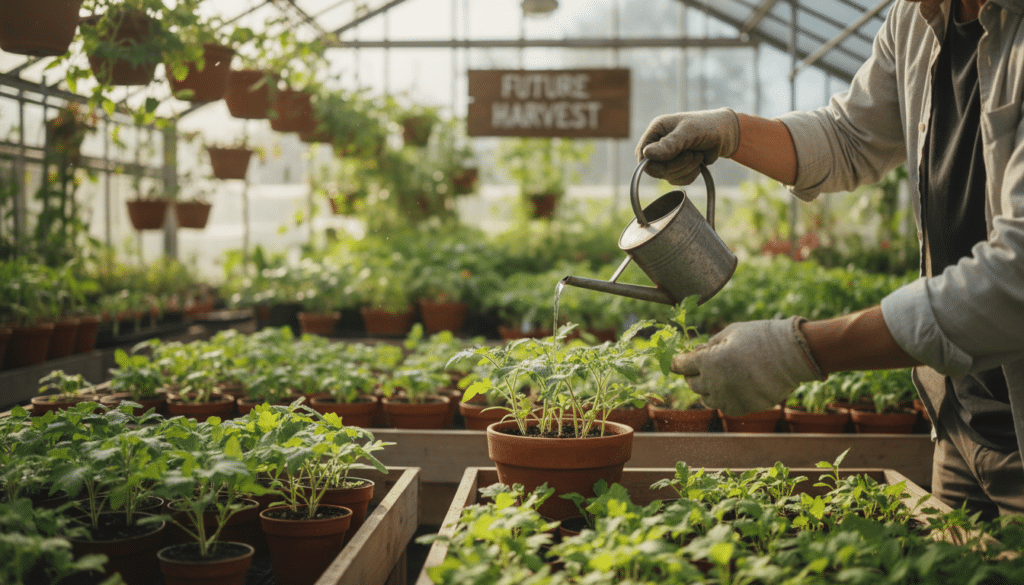
Successfully nurturing young seedlings hinges on mastering a few key environmental controls. This care phase builds the foundation for vigorous, productive plants.
Using Grow Lights, Heat Mats, and Ventilation
Provide intense light with LED grow lights. Position the bulbs just an inch or two above your plants. This prevents leggy, weak growth.
Remove heat mats once germination occurs. This step slows rapid, spindly stretching. Your seedlings will develop sturdier stems.
A small fan improves air circulation dramatically. It reduces humidity around leaves. This simple practice helps prevent fungal diseases like damping off.
Thinning, Potting Up, and Nourishing Your Seedlings
Thinning is a necessary task for crowded cells. Use scissors to snip extra seeds at the soil line. Leave only the strongest seedling per cell.
Pot up your plants when the first true leaves appear. Use a sterile seed mix for this transition. Transfer them into 3-inch pots filled with fresh potting soil.
A quality mix ensures good drainage. This gives roots room to expand.
Nourish your tomato seedlings with a diluted liquid fertilizer. For a detailed guide, read how to boost your tomato seedlings with liquid. Proper feeding and consistent water support lush, green growth. Ensure they receive adequate light daily.
Transplanting and Outdoor Garden Preparation
The moment your indoor seedlings are ready, the next exciting phase begins: preparing them for life in the great outdoors. This transition is crucial for their long-term health and productivity.
Your careful indoor work pays off here. A successful move sets the stage for a bountiful season.
Hardening Off Seedlings for Outdoor Life
Never move tender seedlings directly into the garden. They need a gentle introduction called hardening off.
Start about a week after your local last frost date. Place your plants outside in a shaded, sheltered spot for just a few hours.
Gradually increase their exposure to direct sun and breeze over seven days. This process toughens their stems and leaves.
Choose a cloudy day for the final move, after all danger of frost has passed. Dig generous holes for your tomato plants.
Bury each stem up to its lowest set of leaves. This encourages extra roots to form along the buried section.
Mix organic compost into the native soil at the bottom of each hole. This provides slow-release nutrients without shocking delicate roots.
Consistent water is vital now. Provide about one inch per week, applied directly to the soil. Avoid wetting the foliage to prevent disease.
This careful start in your garden gives your seedlings the best chance. Soon, you’ll enjoy the rewards of growing tomatoes you started yourself.
Container Gardening and Special Growing Tips
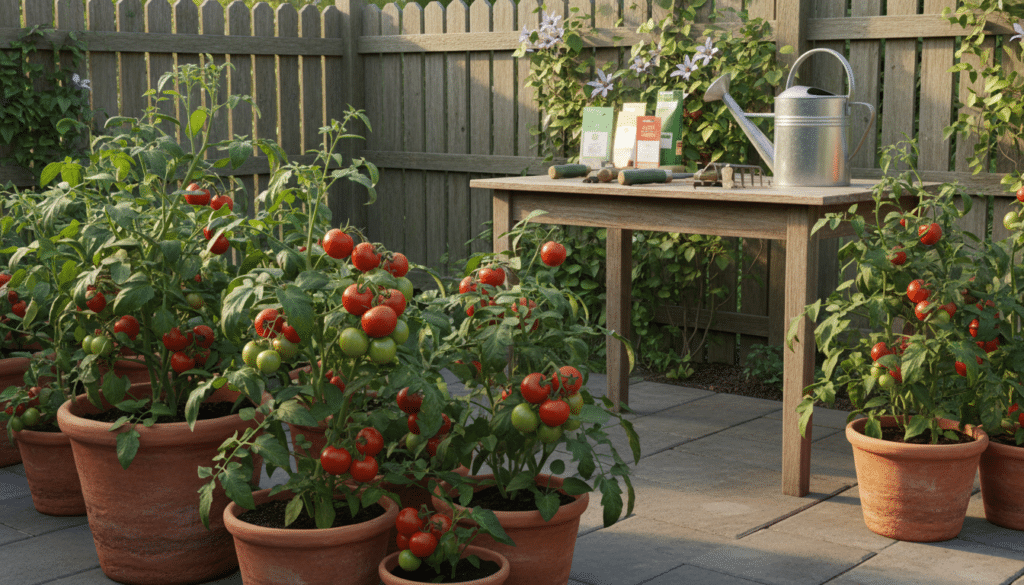
Container gardening offers a flexible and accessible way to cultivate delicious tomatoes on patios, balconies, or small yards. This approach lets you control the environment closely, leading to a rewarding harvest.
Optimizing Container Conditions and Soil Health
Your choice of pot is critical. Select deep, opaque containers with several drainage holes. This prevents water from pooling around the roots, which can cause rot.
Fill your containers with a premium potting soil blended with compost. This mix provides essential nutrients and excellent drainage for container-grown tomato plants.
For limited space, choose naturally compact varieties. ‘Silvery Fir Tree’ or ‘Stupice’ tomato plants are excellent selections. They produce well without overwhelming your patio.
Monitor moisture levels daily. Containers dry out faster than garden beds, especially in summer heat. Consistent water is key to healthy plants.
Rotate your pots every few days. This ensures all sides receive equal sunlight, promoting balanced growth. With these tips, growing tomatoes in pots becomes a simple joy.
Managing Pests, Diseases, and Garden Challenges
Even the healthiest tomato plants can face challenges from insects and fungal issues. Proactive management keeps your garden productive and your plants vigorous throughout the season.
Identifying Common Pests and Preventative Measures
Common invaders include aphids, spider mites, and the large tomato hornworm. Inspect your plants each day, especially under the leaves.
Handpick larger pests and drop them into soapy water. This simple practice protects your food source. Make sure to check for eggs or webbing over several days.
Techniques to Avoid Disease and Improve Airflow
Many tomato disease issues thrive in wet conditions. Always water at the base to keep leaves dry. Avoid splashing contaminated garden soil onto foliage.
Pruning is a critical technique. Remove lower leaves that touch the ground. This creates air holes and improves circulation.
If you notice blossom end rot, maintain consistent soil moisture. This helps roots absorb calcium. Make sure to remove any diseased leaves immediately.
Avoid taking off more than one-third of the plant’s foliage at once. This prevents stress while growing tomatoes successfully.
Conclusion
From selecting the perfect seed variety to harvesting sun-ripened fruit, each stage builds toward a flavorful conclusion. Cultivating your own tomato plants is a deeply rewarding process. It offers complete control over the fresh food in your garden.
You can successfully nurture seedlings from tiny seeds into a productive harvest. Remember, saving seed from heirloom types preserves your gardening heritage. This practice promotes self-reliance for future seasons.
Whether using containers or garden beds, consistent care is key. Proper water and good soil lead to the best yields. Your dedication now brings the unmatched joy of a homegrown tomato.
We hope this guide empowers your gardening journey. Enjoy the vibrant taste of your own harvest!
