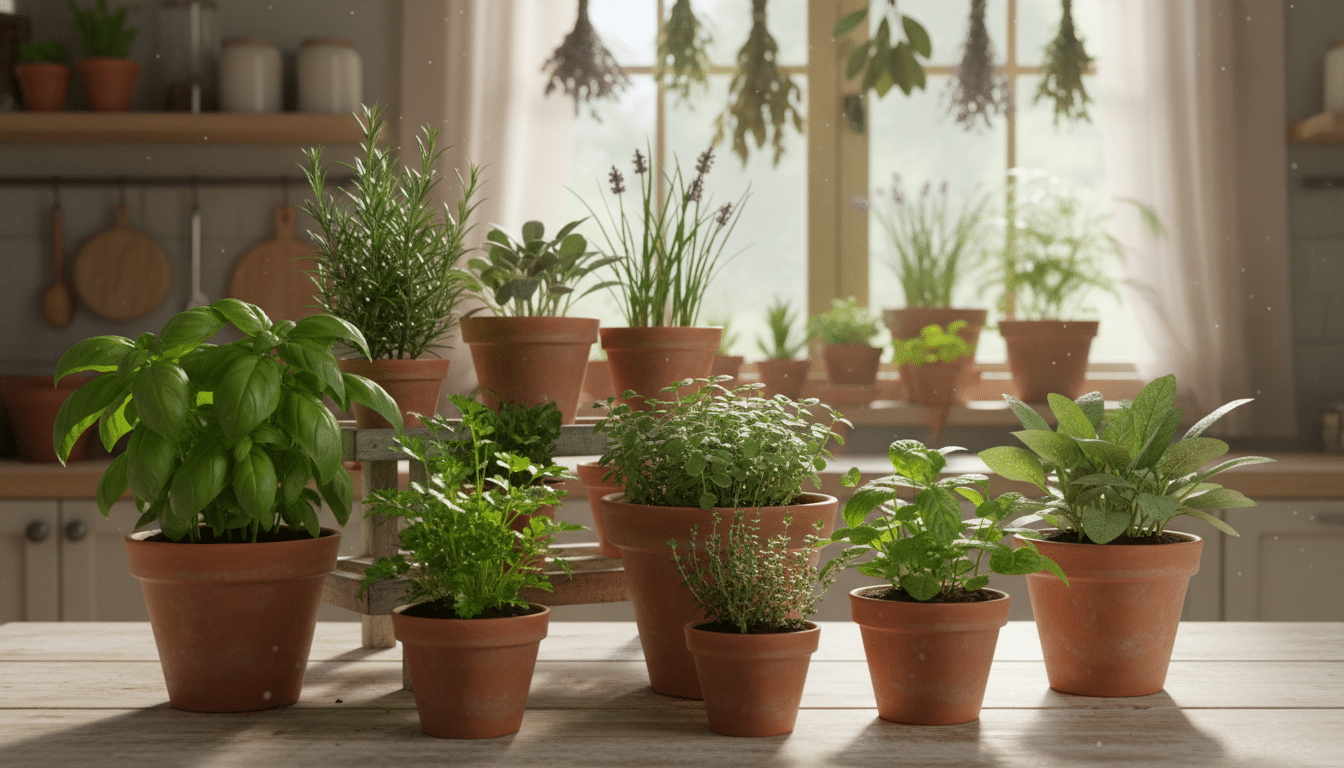
What if you could step outside your door and pick fresh, vibrant flavors for your dinner tonight?
Imagine transforming your kitchen into a source of the most aromatic ingredients. You can ensure your meals are packed with peak freshness and potent flavor. This isn’t a distant dream.
Many plants are surprisingly simple to cultivate. In fact, seven varieties are exceptionally easy when their basic needs are met. You might even begin harvesting spices at home the very same day you bring a plant from a local nursery.
This journey offers a continuous supply of aromatic greens. They will elevate your daily cooking and health routines. Whether you’re a beginner or an expert, these selections provide a perfect foundation for your botanical collection.
The most rewarding task is gathering from your plants. This simple act encourages even more lush growth. Starting today means enjoying the satisfaction of your own harvest.
Key Takeaways
- Discovering the right plants allows you to transform your kitchen into a vibrant source of fresh, flavorful ingredients.
- Cultivating your own ensures your culinary creations are enhanced by the highest quality leaves picked at their peak.
- Many people find these are some of the easiest plants to care for, requiring minimal effort to thrive.
- Selecting the proper varieties provides a non-stop supply of aromatic greens for daily use.
- Whether you are new to gardening or have experience, these selections offer a solid foundation for an indoor or outdoor collection.
- Harvesting from your plants is rewarding and stimulates the plants to produce more growth.
- Beginning now lets you stop relying on grocery store produce and enjoy the pride of a personal harvest.
Introduction to Home Herb Gardening
The journey of home cultivation begins with understanding that these resilient plants thrive with basic attention. You only need a few simple tools and a commitment to watching your plants through the seasons.
You will quickly find that tending your garden is a therapeutic practice for your mind and body. It also gives you ingredients free from store-bought chemicals.
By setting aside a small space, you start a sustainable cycle of growth. The most important task is regular harvesting. This simple act encourages your plants to produce lush, new growth.
This process creates a rewarding link to nature. It promises a steady supply of fresh flavors right from your own residence.
Understanding the Benefits of Growing Your Own Herbs
Imagine the satisfaction of snipping a few leaves right before a meal. You know they’re packed with flavor and nutrients you cultivated yourself. This practice connects you directly to your food’s source.
Your personal garden becomes a powerful tool for wellness. It transforms everyday meals and supports your body’s natural needs.
Nutritional and Medicinal Uses
Many plants offer incredible options beyond the kitchen. For example, peppermint can soothe a stomachache. Yarrow is known for helping with minor skin cuts.
Certain varieties, like calendula, provide amazing properties for the skin. You can infuse them into oils or homemade lotions. Growing your own produce lets you avoid pesticides common on store-bought fruit.
Understanding the nutritional value of your plants helps you make smart choices. You can utilize them fully for your health.
Culinary Flavors and Freshness
Incorporating fresh leaves into your cooking changes everything. The flavor profile of your meals becomes significantly brighter. This is compared to using dried, store-bought alternatives.
That vibrant, just-picked taste elevates simple dishes. It turns your kitchen into a place of constant discovery. You control the quality from soil to plate.
How to Start Your Indoor Herb Garden
The secret to a successful indoor garden lies in mastering two key elements: the container and the environment. With the right setup, your green companions will thrive and provide continuous harvests.
Choosing the Right Container and Soil
Your choice of pot is crucial. Never cram a plant into a tiny pot. Roots need room to expand for healthy development.
Proper drainage is non-negotiable. Every container must have holes at the bottom. This allows excess water to escape, preventing root rot.
Pair your pot with a high-quality growing medium. A mix of soil-based compost and horticultural grit creates the ideal environment. It ensures good aeration and moisture retention.
| Material | Drainage | Weight | Best For |
|---|---|---|---|
| Plastic | Good (with holes) | Light | Beginners, mobility |
| Terracotta | Excellent | Heavy | Mediterranean varieties |
| Ceramic | Moderate | Heavy | Decorative displays |
| Fabric | Superior | Light | Promoting strong roots |
“A garden requires patient labor and attention. Plants do not grow merely to satisfy ambitions or to fulfill good intentions. They thrive because someone expended effort on them.”
Setting Up Proper Sunlight and Watering
Sunlight is your garden’s fuel. Place your pots where they receive a minimum of four hours of direct light daily. A south-facing windowsill is often perfect.
Watering correctly is just as vital. Check the soil moisture by feeling an inch below the surface. Only add water when it feels dry at that depth.
This practice maintains perfect moisture levels. It keeps your plants productive and avoids the dangers of overwatering.
Best Herbs to Grow at Home for a Thriving Kitchen
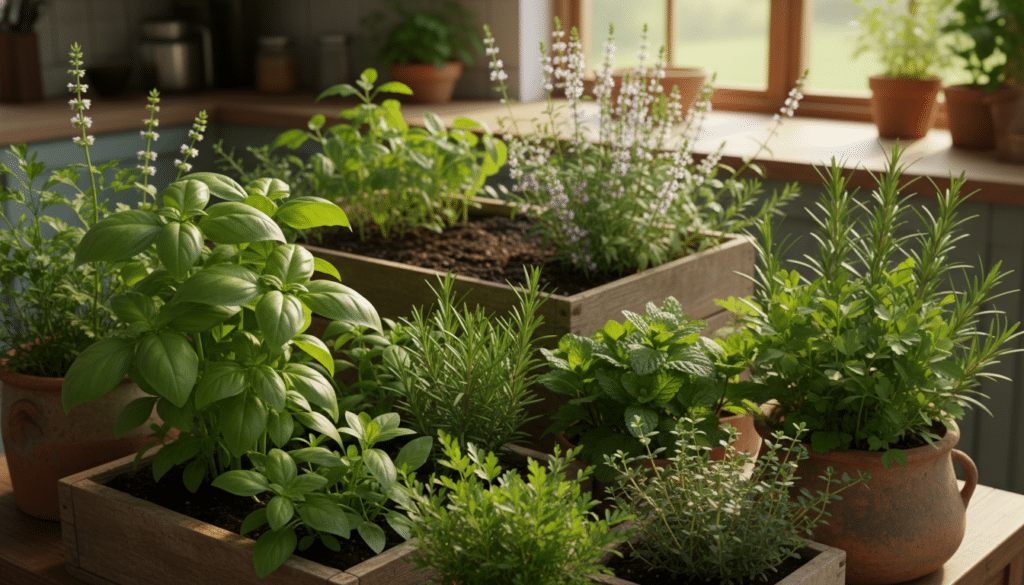
Say goodbye to last-minute grocery runs by establishing a personal supply of essential flavorings. If you start with these seven key plants, you may never need to purchase them from a store again.
Creating a vibrant kitchen garden means picking varieties that are easy-to-grow and offer steady harvests. You will love having fresh ingredients right at your fingertips. This makes the entire herb-growing process efficient and far more enjoyable.
These seven essentials were chosen for their toughness. They adapt well to both indoor pots and outdoor garden beds. Your focus on these top performers guarantees a kitchen always stocked with peak-flavor ingredients.
Keeping a diverse mix allows for exciting culinary experiments. You can also explore simple home remedies. This self-sufficient cycle turns your cooking space into a true hub of freshness and health.
Herbs for Culinary Delights
Transforming your meals starts with a few key plants that bring professional flavor to your home kitchen. These selections are the backbone of countless recipes.
Popular Choices like Basil, Thyme, and Sage
Thyme is an evergreen plant you can use all year. It infuses oils and butters with a lovely, earthy essence.
Sage leaves also offer year-round utility. Their edible flowers make a perfect addition to salads or fruit puddings.
Thyme is a versatile plant that rarely suffers from pests. You should watch for aphids and treat them with horticultural soap.
You can use sage fresh for a sore throat. Sucking on one leaf like a lozenge helps soothe throat irritations effectively.
Both thyme and sage are excellent choices for beginners. They are hardy and provide a continuous harvest throughout the year.
Incorporating Herbs into Your Everyday Cooking
Incorporating fresh leaves into your daily cooking routine elevates simple dishes. It turns them into gourmet meals with minimal effort.
You will find these culinary staples essential for any home garden. They offer both medicinal benefits and unmatched kitchen versatility.
| Herb | Key Flavor | Best Culinary Uses | Special Tip |
|---|---|---|---|
| Thyme | Earthy, slightly minty | Roasts, stews, compound butters | Harvest sprigs before flowering for peak flavor |
| Sage | Savory, slightly peppery | Stuffings, sausages, browned butter sauces | Use fresh leaves as a soothing throat lozenge |
Herbs with Health and Medicinal Benefits
Your garden can be a source of natural remedies, with each plant holding unique properties. Beyond adding flavor, many selections offer powerful support for your wellness.
Echinacea is a well-known plant for immune support. Its roots are considered the most beneficial part for creating tinctures and teas.
Feverfew is a dainty, beautiful flower. You can use its leaves in hot teas to help reduce fever and provide natural headache relief.
Many medicinal plants require specific care. For example, echinacea seeds often need a process called cold stratification to germinate successfully.
You can use the flowers and leaves of various plants to create an infused oil. This oil serves as a perfect base for homemade healing balms and salves.
| Herb | Primary Benefit | Key Part Used | Preparation Tip |
|---|---|---|---|
| Echinacea | Immune system support | Roots | Requires cold stratification from seed |
| Feverfew | Fever reduction & headache relief | Leaves & flowers | Steep in hot tea for natural relief |
Understanding the specific properties of each flower allows you to create a personalized apothecary. Always research proper preparation methods for safety and effectiveness.
This approach ensures you use every plant safely and get the most from its health-promoting qualities.
Seasonal Considerations for Herb Growth
Understanding the rhythm of the seasons is key to maintaining a lush and productive herb garden year-round. Your care routine must adapt as temperatures and daylight hours change.
This approach ensures your plants remain healthy and ready to provide fresh flavors. You can enjoy a reliable harvest across every season.
Spring Planting Tips
During the spring, focus on planting and preparing your garden beds. This sets the stage for a productive growing season ahead.
Follow expert pruning tips to prevent your plants from becoming woody. This encourages healthy, new growth as the weather warms.
You should also inspect your plants regularly for pests like rosemary beetle larvae. They feed on leaves from autumn through spring.
Winter Care and Maintenance
As the weather cools, provide adequate care to help perennial plants survive. Many will die back in winter but return with vigor each spring if properly tended.
You must protect their containers from harsh frosts. A little attention during this quiet season guarantees a strong comeback.
Implementing these seasonal maintenance tips keeps your garden a constant source of fresh ingredients. It’s a rewarding cycle of growth and renewal.
Growing Peppermint: A Personal Favorite
Few plants offer the instant gratification and vigorous growth of peppermint in a home garden. Its refreshing aroma and flavor make it a standout choice. However, its enthusiastic nature requires smart management from the start.
This vigorous plant will happily take over any space you give it. For this reason, confining it to a container is the wisest strategy. This prevents its roots from crowding out your other garden residents.
Planting Strategies and Care
Always provide your mint plants with a dedicated pot. This simple step saves you from a future takeover. A related perennial plant, lemon balm, shares this spreading habit.
You can grow lemon balm in a container with equal success. Both thrive with regular moisture and partial to full sun. Giving them their own space is the key to harmonious cultivation.
Uses in Teas and Home Remedies
Dried peppermint leaves make a superb hot tea. It’s excellent for soothing stomach discomfort or easing a headache. Lemon balm tea is celebrated for its mood-lifting qualities and refreshing flavor.
These versatile herbs extend beyond the teacup. Use them in refreshing water infusions or even in homemade natural cleaners. Their utility makes the careful cultivation absolutely worthwhile.
| Plant | Growth Habit | Key Use | Special Care Tip |
|---|---|---|---|
| Peppermint | Invasive, spreads rapidly | Digestive & headache tea | Must be grown in a container |
| Lemon Balm | Spreading perennial | Mood-lifting, refreshing tea | Also best confined to a pot |
With a little planning, you can enjoy these powerful plants without worry. Their vibrant growth and many uses will become a cherished part of your home.
Container and Raised Bed Herb Gardening
Your gardening space doesn’t have to be large to yield a bountiful harvest of fresh flavors. You can cultivate a vibrant collection using either containers or a raised bed. Each method offers distinct advantages for your aromatic greens.
Understanding which setup fits your needs ensures a thriving garden. It also prevents common pitfalls, like invasive species taking over.
Benefits and Techniques for Container Gardening
Using a container gives you incredible flexibility. You can move your plants to follow the sun as seasons change. This is perfect for maximizing light exposure throughout the year.
You gain total control over the soil quality inside a pot. This is essential for the health of your favorite varieties. A simple mix of soil-based compost and horticultural grit provides perfect drainage.
All perennial selections grow wonderfully in pots with this gritty mix. Confining enthusiastic spreaders, like mint, to a container is a smart strategy. It keeps them from overwhelming a shared raised bed structure.
| Factor | Recommendation | Key Benefit |
|---|---|---|
| Pot Material | Terracotta or fabric | Promotes excellent air flow and drainage |
| Soil Mix | Compost + horticultural grit | Prevents waterlogging, encourages strong roots |
| Placement | Mobile, sunny location | Allows you to chase optimal light conditions |
| Plant Selection | Confine invasive types | Protects other plants in your garden space |
A raised bed is excellent for many vegetables and certain robust plants. However, you should avoid planting known spreaders directly into it. Grouping different plants in a series of decorative pots creates a beautiful, functional display.
Proper drainage remains the most critical aspect of this method. Always ensure your containers have holes at the bottom. This simple step safeguards your garden’s success.
Practical Tips for Pruning and Harvesting
Your garden’s productivity hinges on a simple yet powerful practice: knowing exactly when and how to harvest.
Regularly gathering from your plants is one of the key tips for a healthy garden. This action encourages the plant to produce new growth.
When and How to Cut Back for More Growth
For evergreen varieties like rosemary, cutting them back prevents a woody structure. This promotes the production of fresh leaves.
After flowering, you should cut herbaceous herbs down to about four centimeters above the soil. This stimulates a second crop.
Always use clean, sharp shears for your cuts. Precise snips minimize stress and support the overall structure.
Removing dead or damaged stems is another vital step. It allows energy to focus on developing lush new growth for your kitchen.
Following these pruning tips maximizes your yield. It keeps your garden vibrant and productive all season long.
Utilizing Edible Flowers and Leaves
Beyond the fragrant leaves, a surprising culinary treasure awaits in the form of edible flowers. Your garden offers more than just greenery for your kitchen.
All of the perennial herbs featured in this guide have edible flowers you can pick. Enjoy them fresh in your green salads for a mild, unique flavor.
You can also scatter these delicate blossoms over fruit puddings or salads. They add a beautiful visual garnish that impresses everyone at your table.
Harvest both the leaves and blooms from your plants. Use them to create unique tea blends or to garnish your favorite culinary creations.
Understanding which parts of the plant are edible is key. It allows you to get the most value from every single variety you cultivate.
Edible blossoms, like those from chives or rosemary, transform a simple meal. They turn it into an elegant dining experience for your guests.
Always ensure your flower picks are free from pesticides before use. This guarantees a safe and healthy addition to your cooking.
Exploring Perennial Herbs for Long-term Success
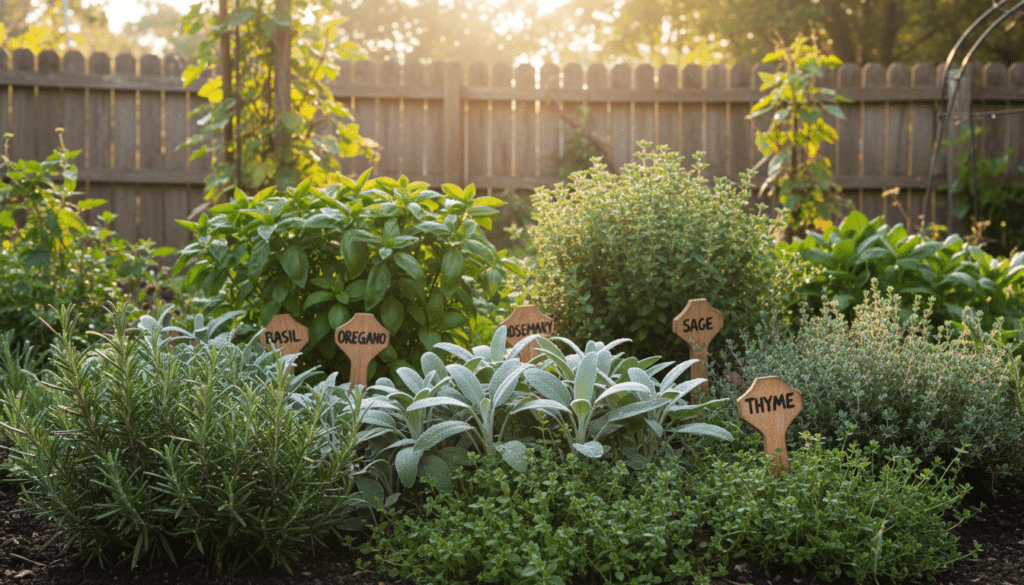
Building a garden that rewards you season after season starts with choosing resilient perennial plants. These varieties form a lasting foundation for your culinary space.
They require minimal effort once established. You will enjoy their reliable presence year after year.
Herbs that Come Back Year After Year
Perennial selections are a fantastic investment for your kitchen. They return each spring with vigorous new growth.
Thyme, sage, and oregano are classic examples. These plants withstand winter dormancy and thrive again when the growing season returns.
Oregano, originating in the Mediterranean, is particularly easy to grow. It will flourish in a container filled with soil-based compost mixed with horticultural grit.
This setup provides the excellent drainage these plants love. You can also cultivate them in a raised bed if you have the space.
| Plant | Hardiness Zone | Key Care Tip | Best Culinary Use |
|---|---|---|---|
| Thyme | 5-9 | Prune lightly after flowering | Roasts, stews, sauces |
| Sage | 5-8 | Provide full sun and dry soil | Stuffings, brown butter |
| Oregano | 5-9 | Cut back in early spring | Pizza, pasta, marinades |
| Mint | 3-8 | Confine to a pot | Teas, desserts, garnishes |
You can share your success by dividing mature plants. This propagation method ensures a continuous supply for your cooking.
Choosing perennials simplifies your gardening routine. It guarantees fresh leaves whenever you need them.
Conclusion
Embarking on your own gardening adventure unlocks a world of fresh flavors and natural wellness. Starting with these versatile herbs provides a lifetime of vibrant ingredients and health benefits.
Consistent care is your key to success. Proper water and timely pruning keep your plant healthy through the winter. These simple tips ensure robust growth each spring.
Whether you cultivate mint, thyme, or sage, you create a sustainable source for daily use. Your container or garden bed becomes a hub of freshness.
This rewarding journey connects you with nature. It beautifies your space with vibrant flowers and aromatic leaves.
Let these ideas inspire your first steps. Enjoy the profound satisfaction of harvesting your own produce. Your thriving garden will reward you for many seasons to come.
