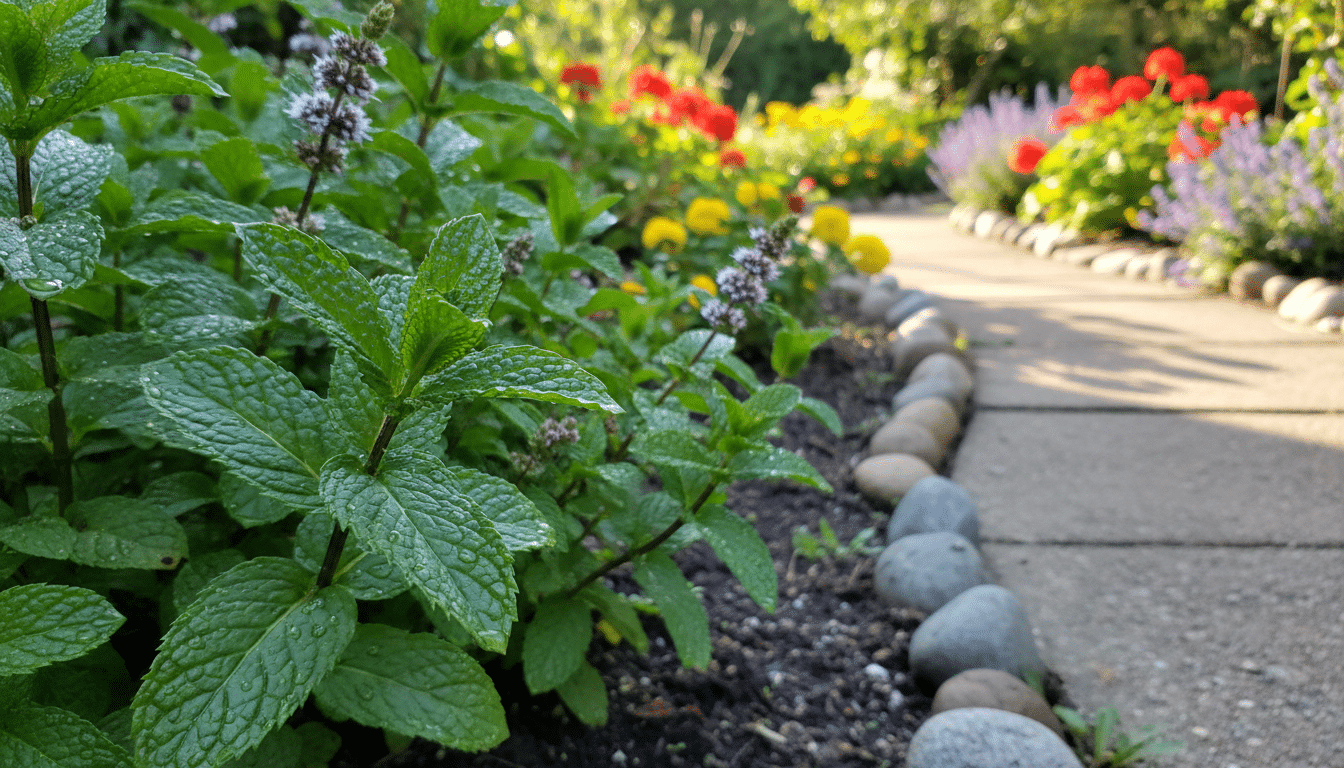
What if you could enjoy fresh mint all summer without it becoming a garden bully? This aromatic herb, known scientifically as Mentha spp., is a favorite for its vibrant flavor. It transforms your kitchen creations and summer drinks.
Many gardeners love having this versatile plant nearby. Yet, its vigorous growth can quickly overwhelm other plants. This turns a useful ally into a frustrating invader.
Understanding this tendency is the first step toward harmony in your garden. You can cultivate a healthy patch that stays where you want it. The right approach lets you reap the rewards without the takeover.
Key Takeaways
- Mentha spp. is a flavorful, aromatic herb prized in kitchens and gardens.
- Its rapid growth habit can lead to it dominating garden spaces if unchecked.
- Successful cultivation requires strategies to manage its natural expansion.
- Containing this plant allows you to enjoy its benefits season after season.
- A controlled patch provides fresh leaves for cooking and beverages all summer long.
- With proper planning, this herb can be a welcome addition, not a nuisance.
Understanding Mint’s Growth and Invasiveness
Mint’s ability to dominate a garden isn’t magic—it’s biology at work. This herb possesses a vigorous growth pattern that allows it to thrive in various environments. Knowing the mechanics behind its spread is your first line of defense.
Mint’s Rhizome System and Underground Spread
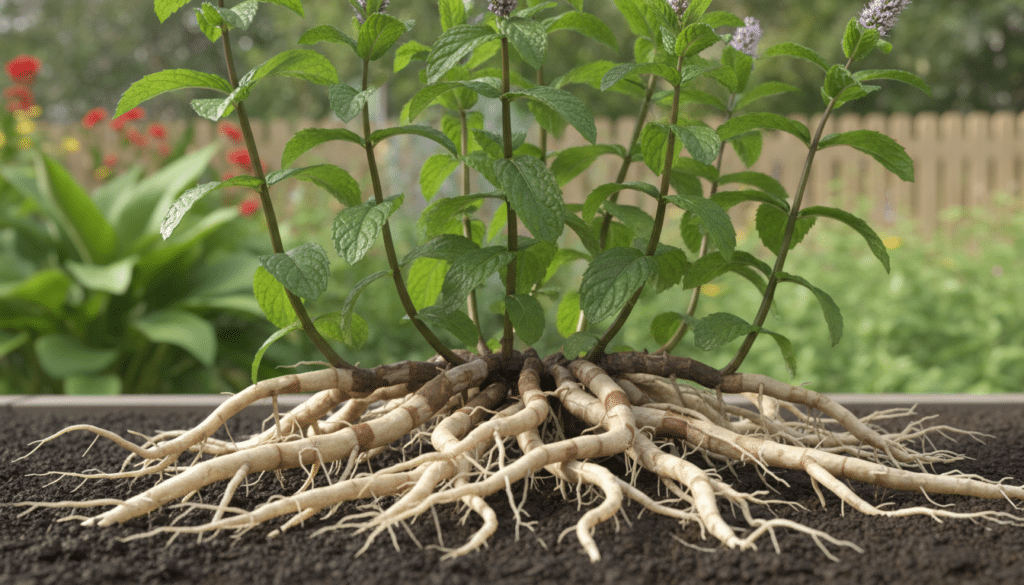
Below the surface, mint plants deploy a network of horizontal stems called rhizomes. As defined by researcher Ivany (1997), a rhizome is a large stem growing underneath the soil. It sends out lateral shoots and roots, enabling the specimen to colonize new territory quietly.
These aggressive rhizomes can sneak into adjacent garden beds. They store energy and produce new stems and leaves away from the original plant. This underground system is the primary engine for its expansion.
Above-Ground Growth and Environmental Impact
This vigorous grower doesn’t just spread below ground. Above-ground runners also creep along the soil surface, taking root where they touch. This creates a dense mat of foliage that can shade out neighboring plants.
Because of this dual strategy, Mentha can quickly choke out other garden residents. Its relentless habit transforms a single mint plant into a sprawling patch. Understanding both pathways is crucial for maintaining harmony in your outdoor space.
Effective Strategies for Containing Mint
The secret to a well-behaved mint patch lies in setting clear boundaries from the very beginning. You can enjoy its vibrant flavor without worry by using simple confinement tactics.
Utilizing Containers and Pots
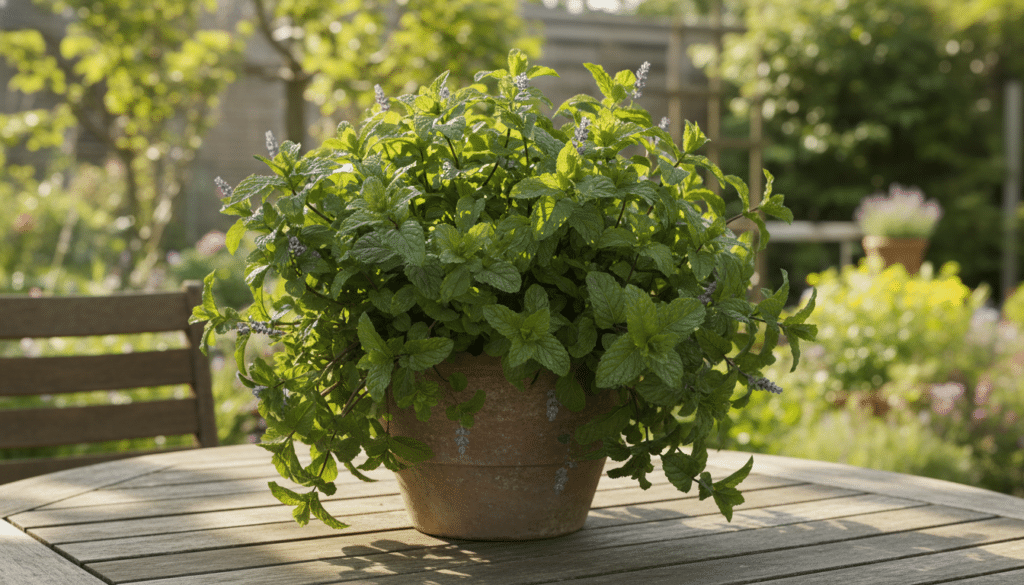
Growing mint in pots is the most reliable method for control. Choose large containers that are at least 18 inches deep. This gives the root system ample room to develop.
Always ensure your pots have adequate drainage holes. Proper drainage is crucial for healthy plants and prevents waterlogged soil.
Creating Physical Barriers in the Garden
If you want your mint in a garden bed, try sinking a pot into the ground. Leave the rim several inches above the surface.
This simple yet highly effective barrier stops adventurous rhizomes from escaping. The container walls confine the mint plants to their dedicated space.
With this approach, your vigorous herbs stay exactly where you want them. You maintain full command over your garden layout.
How to Grow Mint Without It Spreading
The conditions you provide for your mint directly influence its ambition to spread. You can cultivate this aromatic herb successfully by thoughtfully selecting its home in your garden.
Choosing Ideal Growing Conditions
Ironically, giving your mint plants a less-than-perfect spot can be beneficial. Planting in drier, average soil can slow their aggressive habit.
If you are cultivating peppermint, exercise extra caution. One experienced gardener noted,
“Peppermint is notorious for its aggressive habit; it’s the one variety that truly tests a gardener’s containment strategies.”
Starting from seed? Keep them in a bright location at about 20°C (68°F). Germination typically takes two weeks.
Managing Soil, Drainage, and Sun Exposure
While Mentha species love moisture, limiting water helps control their expansion. Proper drainage in a container or bed is non-negotiable. It prevents waterlogging and stops the root system from becoming too dominant.
Sunlight is another powerful lever. Less than full sun can moderate the plant’s energy and growth rate.
| Garden Factor | For Controlled Growth | For Vigorous Growth |
|---|---|---|
| Soil Moisture | Moderately dry, well-drained | Constantly moist |
| Sun Exposure | Partial shade (4-6 hours) | Full sun (6+ hours) |
| Soil Fertility | Average, less nutrient-rich | Rich, compost-amended |
Remember, Mentha pulegium (pennyroyal) is listed as harmful if eaten. Always identify your plant correctly.
Additional Tips for Managing Mint in Your Garden
Beyond choosing the right pot, a few simple habits can keep your mint patch perfectly polite. Your daily routine offers powerful ways to maintain control and garden harmony.
Regular Pruning and Harvesting for Control
Frequent trimming is one of the best ways to keep your mint plants bushy. Prune at least once a month. This stops long, wandering stems and prevents unwanted spread.
Harvest young mint leaves often throughout the summer. This encourages fresh growth and keeps the plant compact. You get more flavorful leaves for your kitchen.
Stay vigilant for pests and disease. A study by Kalra et al. (2005) identified powdery mildew as a common fungal issue. Always clean your tools after pruning to stop its spread.
Watch for the blue mint beetle (Chrysolina coerulans). It was first found in Britain in 2011. Protect your herbs if you spot this pest.
Check the ground around your garden bed or container. Dig out any stray roots or rhizomes immediately. This is essential for a tidy space.
| Monthly Task | Primary Benefit | Pro Tip for Gardeners |
|---|---|---|
| Pruning Stems | Promotes bushy shape; controls spread | Use clean, sharp shears to prevent disease. |
| Harvesting Leaves | Encourages new growth; provides yield | Pick in the morning for the best flavor. |
| Garden Inspection | Catches pests and escaped roots early | Look under leaves for beetles or eggs. |
| Tool Cleaning | Prevents fungal spread like powdery mildew | Wipe blades with a disinfectant solution. |
These consistent actions make it simple to grow mint successfully. You can enjoy this vibrant herb without letting it dominate your garden.
Conclusion
With thoughtful planning, this vigorous herb can become a cherished part of your garden, not a tyrant. Controlling its spread is completely achievable.
Using containers or sunk pots creates a reliable physical barrier. This simple step is your best defense.
Regular harvesting and pruning keep your plants compact and productive. These habits encourage fresh, flavorful leaves all season.
Understanding Mentha’s growth helps you stay ahead. Monitor your beds for any stray roots to protect neighboring plants.
Follow these practical tips. You will enjoy a bountiful, well-behaved mint patch for years to come.
