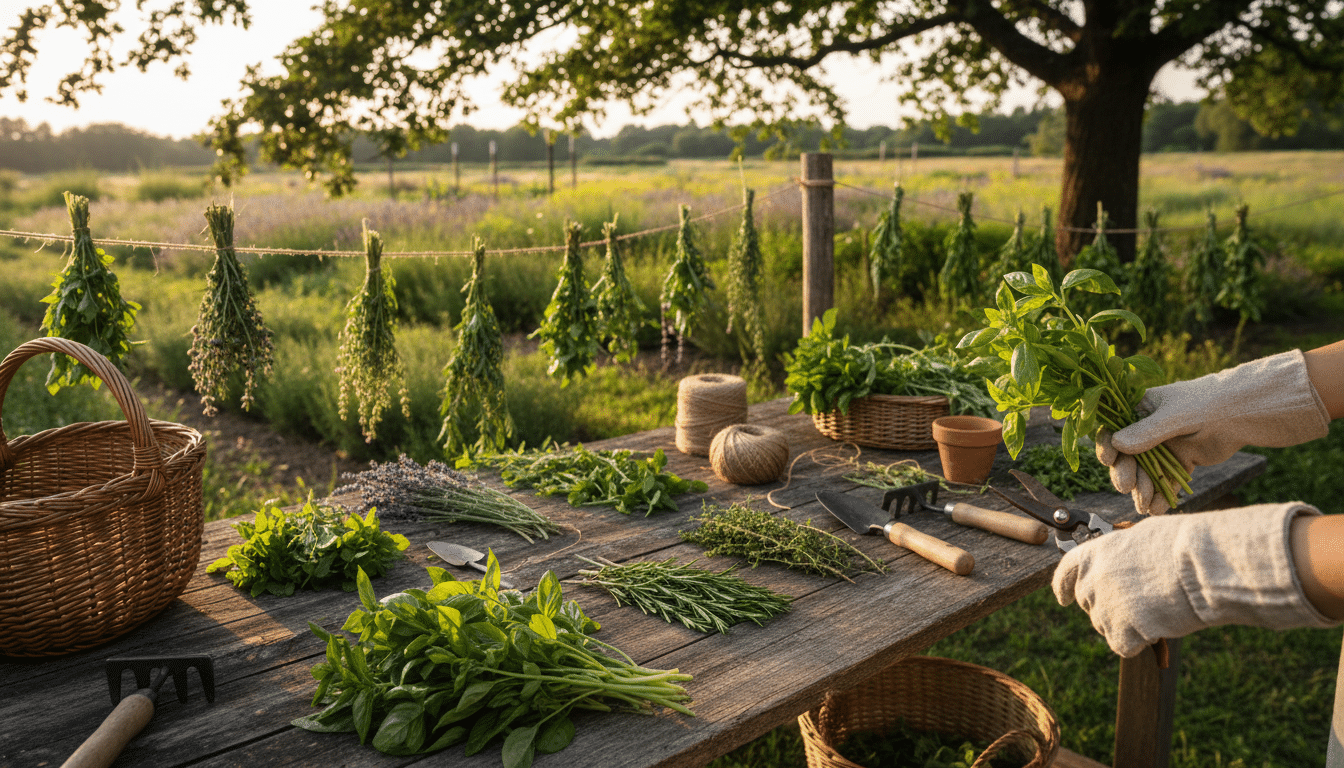
What if you could capture summer’s flavor in a jar and enjoy it all year long? That dream is closer than you think. Your garden holds the key to a pantry full of vibrant, homegrown taste.
This guide unlocks the simple, proper way to preserve your leafy bounty. You’ll learn techniques used by professionals to maintain peak flavor and aroma. The goal is to turn your fresh cuttings into a lasting culinary treasure.
Handling your plant material with gentle care is crucial. This protects the precious essential oils within the leaves. Those oils are the source of the intense flavor and scent you love.
Storing your finished product correctly makes all the difference. Airtight containers like Ball jars are perfect for locking in freshness. Always label your jars with the name and date.
Following these steps ensures you can store your dried harvest in a cool, dark place. Your efforts will reward you with the highest quality possible for months to come.
Key Takeaways
- This comprehensive guide helps you enjoy fresh garden flavors throughout the entire year.
- Learn the best methods to preserve your homegrown bounty for maximum longevity.
- Proper handling of plant material is essential to protect the vital oils in the leaves.
- The techniques provided work for everyone, from beginners to expert gardeners.
- Using airtight containers and correct storage conditions maintains top quality.
- Labeling your stored herbs with names and dates keeps your collection organized.
- You can create a potent, homemade herb supply with simple, professional steps.
Introduction to Harvesting and Drying Fresh Herbs
Preserving your garden’s bounty transforms a seasonal delight into a year-round treasure. Capturing that mid-summer magic for the cold months ahead is deeply satisfying. You carry the vibrant essence of life-giving summer straight into your winter kitchen.
Starting a herb garden is wonderfully approachable. Expert Juliet Blankespoor emphasizes this in her book, The Healing Garden.
“Growing herbs is a perfect, accessible activity for any beginner gardener.”
You don’t need fancy or expensive gear. Simple tools from your kitchen are often all you require for effective drying. Mastering the basics of growing herbs lets you savor your work long after frost arrives.
This foundation covers the core principles of drying herbs. It builds your confidence to preserve plants with ease. Understanding the shift from fresh to dried is key.
| Characteristic | Fresh Herb | Dried Herb |
|---|---|---|
| Flavor Profile | Bright, subtle, and grassy | Concentrated, potent, and earthy |
| Best Use | Garnishes, salads, and finishing | Soups, stews, rubs, and long cooks |
| Shelf Life | 1-2 weeks in the fridge | 1+ years in airtight storage |
| Preparation Needed | Often used whole | Usually crumbled or ground |
Each herb you grow becomes a versatile ingredient. This simple process unlocks a world of homemade flavor. Your pantry will thank you.
Benefits of Preserving Your Homegrown Herbs
Building a personal spice cabinet from your backyard is both empowering and economical. Your own herb garden cuts grocery costs dramatically. Creating custom blends from preserved plants saves money all year long.
Those vibrant summer flavors stay intense in your winter recipes. Dishes gain remarkable depth when you use seasonings preserved at their peak. This makes every meal special, even in cold months.
| Key Advantage | For Your Wallet | For Your Kitchen |
|---|---|---|
| Cost Efficiency | Eliminates repeated store purchases | Enables bulk preparation of blends |
| Flavor Superiority | Higher quality per penny spent | More potent taste than commercial products |
| Continuous Supply | One-time effort, long-term savings | Always ready for spontaneous cooking |
For the beginner, this process is a simple first step toward self-sufficiency. Cultivating plants provides immediate gratification. Preserving them extends that joy throughout every season.
You maintain a consistent stash of top-quality dried herbs. Your cooking will improve with these potent ingredients. This reliable supply elevates everyday meals into culinary delights.
Understanding the Best Time to Harvest Your Herbs
Timing your garden work is the secret to unlocking the most potent flavors from your plants. The perfect moment is a narrow window in the early day.
You should gather your herbs in the morning, right after the dew has dried. At this time, the leaves hold their highest concentration of precious essential oils. These oils are the heart of the aroma and taste.
Being ready harvest your crops requires checking the plant’s condition. Look for strong stems and vibrant, healthy leaves. The flavor is most intense just before flowering begins.
Choosing the correct part of the day maximizes the oils in the foliage. This directly shapes the final quality of your preserved yield.
| Harvest Factor | Ideal Condition | Avoid This |
|---|---|---|
| Time of Day | Early morning, dew gone | Midday sun or evening dampness |
| Plant Stage | Lush growth, pre-flower | After flowers have fully opened |
| Leaf Condition | Firm, intact, and vibrant | Wilting, yellowed, or damaged |
| Foliage Left | Ample leaves for regrowth | Stripping the stem completely bare |
Always leave enough foliage on the stems so the plant can continue growing. This allows for another potential ready harvest later. For a specific crop like garlic, consult a complete guide to harvesting garlic.
How to Harvest and Dry Herbs
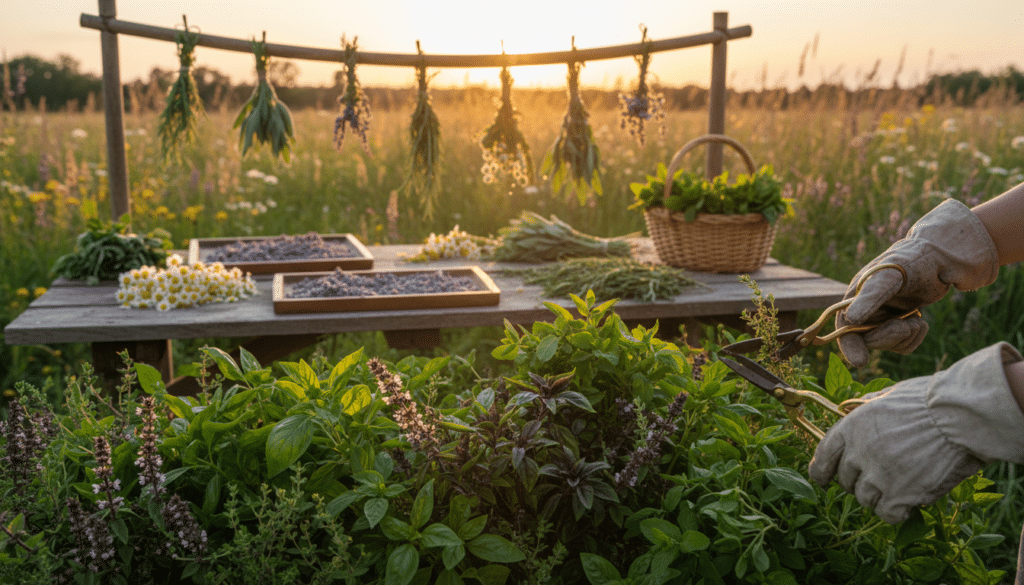
Success in preserving your garden’s essence lies in preventing nature’s own cleanup process from starting. Your freshly cut botanicals will begin to compost quickly if left untouched. Acting fast is the key to locking in vibrant color and powerful flavor.
This guide outlines the most effective methods for drying herbs. Proper technique ensures your plants do not mildew or lose their valuable potency. The goal is a perfect, shelf-stable result.
Using a dehydrator offers very consistent results. You must monitor the process closely to avoid over-drying the delicate leaves. The best way to maintain top quality is a cool, dark spot with good airflow.
| Processing Method | Color Retention | Mold Risk | Final Flavor Strength |
|---|---|---|---|
| Immediate Preparation | Vibrant and green | Very Low | Potent and concentrated |
| Delayed Preparation | Dull or brownish | High | Weak or musty |
Process your cuttings as soon as you bring them inside. This simple step makes all the difference. Following these professional techniques lets you enjoy your garden’s bounty all year.
Essential Tools and Preparation for Harvesting
Before you make a single cut, gathering the proper gear sets the stage for a perfect preserved yield. Your kitchen is the command center for this operation. Having everything ready streamlines the entire process from your herb garden to storage.
Gentle handling is non-negotiable. Crushing or bruising the delicate herbs causes their precious essential oils to escape. You want to protect every drop of that potent flavor.
Select your tool based on the plant’s stem:
- Use sharp kitchen scissors for soft, delicate botanicals like mint, basil, or cilantro. They make clean, precise cuts.
- Employ bypass pruners for woody or thicker stems, such as rosemary or thyme. This prevents damaging the plant.
This careful preparation ensures your gathered herbs are clean and intact. Starting with pristine plant material is the first step toward a superior final product. Your growing herbs deserve this level of care.
Step-by-Step Guide to Harvesting Leaves and Flowers
The journey from your garden to the pantry begins with a precise cut at the stem’s base. Use sharp scissors or pruners for a clean slice. This prevents bruising the delicate plant material.
Your goal is gathering leaves with flowers while keeping their vital oils intact. Cut close to where the stems meet the main plant. Handle each piece with gentle care.
Transport your collection to the kitchen with attention. Lay the herbs in thin, covered layers inside paper bags or on kitchen towels. Avoid plastic bags because they trap heat and moisture.
Inspect your plant bounty carefully. Remove any wilted or diseased leaves before starting preservation. This ensures only the best parts move forward.
Handling stem-attached blooms carefully locks in flavor. This guide details the best way to harvest herbs from your garden. Your mindful approach preserves the essence of each herb.
Methods for Drying Herbs: Air Drying and Bundling Techniques
Air drying is the classic, time-tested method for preserving the essence of your garden’s bounty. This gentle process uses the natural movement of air to remove moisture slowly.
Expert Juliet Blankespoor recommends a specific way to bundle stems. She advises using rubber bands instead of twine. The bands tighten as the plant material shrinks during the drying process.
Hang your bundles upside down in a warm, dry spot in your house. Choose a location with excellent air circulation to prevent mildew. Placing a paper bag over each bundle protects the herbs from dust.
For delicate flowers and fragile leaves, a screen or rack works better. Lay them in a single layer to ensure even airflow. This guide ensures your plant material dries completely.
| Method | Best For | Key Advantage | Moisture Check |
|---|---|---|---|
| Bundling | Woody stems like rosemary, thyme, oregano | Saves space; easy to hang and store | Stems should snap, not bend |
| Screen/Rack | Delicate leaves like basil, mint; edible flowers | Prevents crushing; promotes even drying | Leaves crumble easily when rubbed |
Monitor your bundles and racks closely. Properly dried plant material contains no residual dampness. This careful attention guarantees a mold-free, potent supply for your kitchen.
Using a Dehydrator for Consistent Drying Results
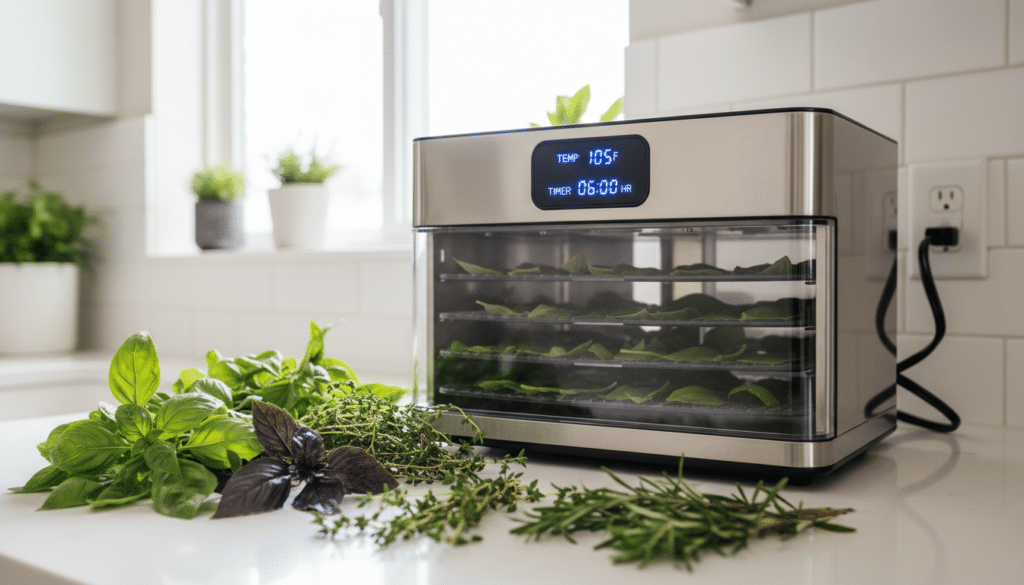
When humidity threatens your air-drying efforts, a dedicated appliance becomes your best ally. A dehydrator provides steady, gentle warmth and airflow you can control. This is a reliable way to process your yield in damp climates like the Pacific Northwest.
Models like the Nesco Square Dehydrator are popular for their efficient tray design. Set the temperature to a low 95°F. This gentle heat preserves vital nutrients and flavor in your herbs.
Different plant material dries at different speeds. Fragile lemon balm will be ready long before woody rosemary. Check the trays every few hours to prevent over-drying. Your lemon balm is done when the leaves crumble easily.
| Key Benefit | Ideal For | Consideration |
|---|---|---|
| Controlled Environment | Humid climates; delicate herbs like lemon balm | Requires electricity; appliance storage needed |
| Even, Predictable Drying | Getting herbs dry uniformly every time | Must monitor different batches closely |
| Speed & Efficiency | Processing large harvests in one day | Initial investment cost for a quality unit |
If you are unsure, perform a simple test. Place a small sample in a sealed zip-top bag for a day. Condensation inside means residual moisture remains. Let the herbs return to the dehydrator for more time.
This method guarantees success. You can confidently use your perfectly preserved lemon balm and other herbs all year.
Alternative Drying Methods: Oven Drying and Freezing
Two lesser-known techniques, oven drying and freezing, provide solutions when traditional methods aren’t suitable. They offer a different way to preserve your plant material. Each approach has specific uses and important cautions.
Using your oven for the drying process is generally not advised. The intense, direct heat can easily destroy the delicate flavor of your herbs. If you must proceed, place your botanicals on a cooling rack over a baking sheet.
This allows proper air circulation. Prop the oven door open slightly with a wooden spoon. This keeps the temperature low and prevents burning.
Always leave a clear note on the appliance. This prevents others from accidentally turning up the heat while your herbs dry.
Freezing is an excellent choice for tender leaves like basil or cilantro. This methods drying often retains more of the fresh flavor profile. It locks in the vibrant taste that heat can diminish.
| Method | Best For | Key Risk | Flavor Outcome |
|---|---|---|---|
| Oven Drying | Quick preservation when no dehydrator is available | Burning; loss of volatile oils | Often diminished or toasted |
| Freezing | Tender leaves like basil, cilantro, chives | Freezer burn if not sealed well | Bright, fresh-like flavor |
Your goal is to remove all moisture without cooking the plant. For most dried herbs, gentle air or a dehydrator is the safer way. Freezing offers a powerful alternative for a fresh taste year-round.
Proper Storage Techniques for Dried Herbs
The final, crucial step in your preservation journey is creating an ideal storage environment. Your goal is to protect the concentrated flavor and aroma you worked so hard to capture.
Three enemies threaten your collection: light, heat, and moisture. You must store dried botanicals in glass jars with tight-sealing lids. This creates an airtight barrier against damp air.
Choose a dark, cool place like a pantry or cupboard. Never store herbs above your stove or in direct sunlight. Heat and light rapidly degrade their precious oils.
Always label each jar with the plant name and processing date. This simple habit keeps your kitchen organized. Your future self will thank you.
This guide recommends keeping leaves, flowers, and stems whole until the moment you need them. Crushing them releases volatile oils prematurely. Whole storage preserves maximum potency.
| Storage Factor | Ideal Condition | Shelf Life Expectancy |
|---|---|---|
| Container Type | Airtight glass jars (Mason, Ball) | Critical for all long-term storage |
| Environment | Cool, dark, and dry location | Preserves quality for 1-3 years |
| Plant Part: Leaves & Flowers | Store whole in labeled jars | 1 to 2 years at peak flavor |
| Plant Part: Roots & Barks | Store whole in labeled jars | Up to 3 years of potency |
When you store dried yield this way, you build a reliable spice library. Your herbs will be ready to elevate any meal. This method ensures every pinch is as powerful as the day you processed it.
Enhancing Flavor: Tips for Maintaining Herb Potency Year-Round
The true test of your preservation skills comes when you reach for those jars months later. Your goal is a pinch of herbs that bursts with the same vibrant flavor as the day you processed them.
Always store your dried botanicals in airtight containers. Keep them in a dark, cool cupboard away from the stove or sunlight. This protects the delicate essential oils inside each leaf.
Have your favorite seasonings on hand for spontaneous cooking. A well-organized pantry lets you add garden-fresh taste to meals any time of the year.
Crumble the dried leaves just before adding them to your dish. This simple action releases the trapped oils at the perfect moment. Your sauces and soups will gain incredible depth.
Treat your plant material with respect even after drying. Keeping whole herbs intact until use locks in maximum potency. Check your collection every few months to rotate older stock.
Following these steps ensures every herb from your garden remains a powerful ingredient. Your culinary creations will shine with homemade quality.
Conclusion
Congratulations on creating a pantry stocked with the vibrant essence of your garden. This rewarding process lets you enjoy those fresh flavors throughout the entire year.
Whether you used a dehydrator or simple air drying, patience was key. Ensuring your botanicals were completely dry protects their potent quality. A dehydrator offers consistent results for perfect herbs dry every time.
Now, store those dried herbs in airtight glass jars. They will add incredible depth to your favorite recipes. Keep favorite herb blends featuring mint from your house on hand. You can use your favorite herb for teas, cooking, or gifts.
This guide has equipped every beginner with professional techniques. Your hard work results in a high-quality, long-lasting pantry. Start using your preserved bounty today and taste the difference in every meal.
