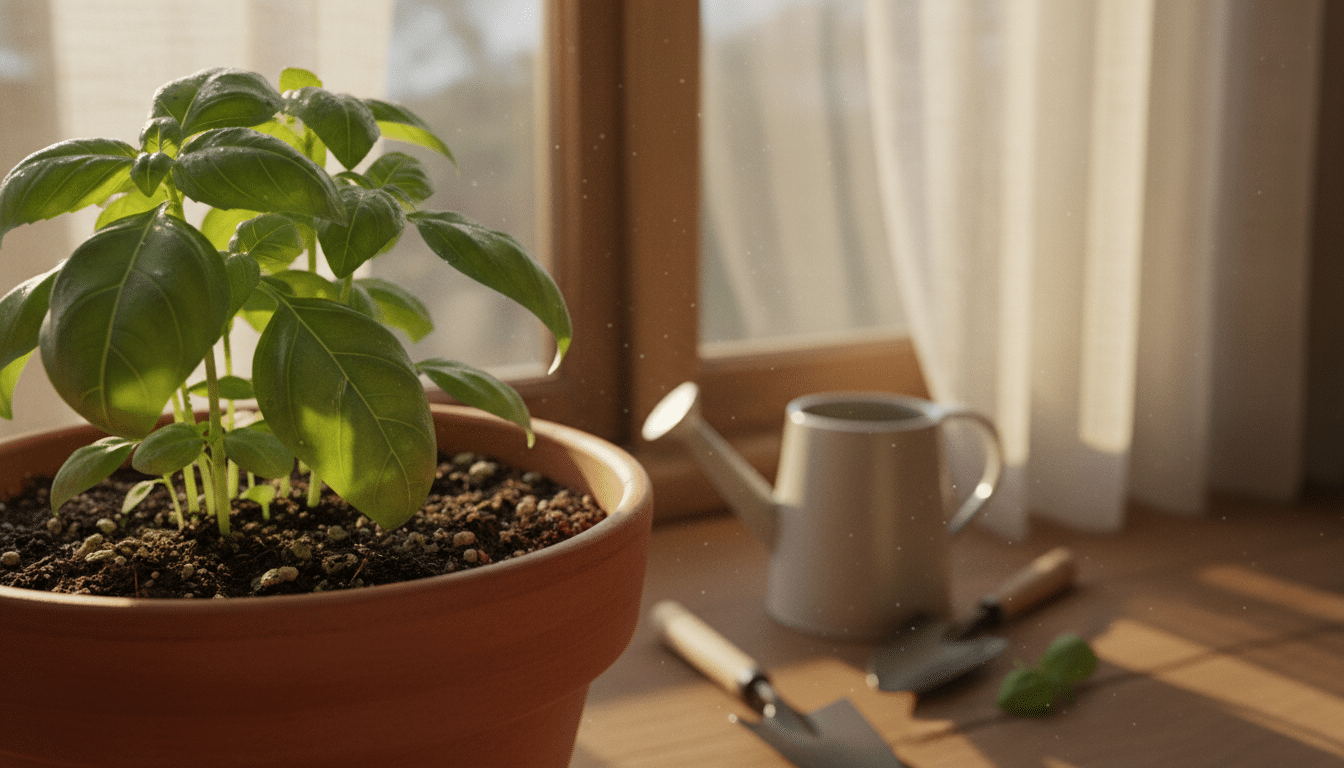
What if you could capture the essence of a summer garden on your windowsill, even in the dead of winter?
That vibrant, aromatic scent of fresh basil isn’t just for warm months. With a few simple steps, you can enjoy this flavorful herb year-round right in your home. It transforms your space into a productive, green oasis.
Starting your own indoor herb collection is a rewarding and practical skill. It elevates your daily cooking with superior, fresh ingredients. You save money and gain control over what you eat.
Companies like Gardener’s Supply offer high-quality organic seed starting mixes perfect for this project. This consistent environment protects your plants from unpredictable outdoor weather.
The sensory experience alone is worth it. One pinch of a leaf can bring back warm memories. It makes gardening a simple joy accessible to everyone.
Key Takeaways
- You can enjoy fresh, aromatic basil throughout the entire year by cultivating it inside your home.
- Indoor cultivation provides a stable environment for your plants, protecting them from harsh outdoor conditions.
- Using a quality organic seed starting mix is a foundational step for healthy herb growth.
- Harvesting your own herbs elevates everyday cooking with superior flavor and freshness.
- This practice is a cost-effective way to access nutritious ingredients while adding greenery to your living space.
- The process is straightforward and rewarding, perfect for beginners and experienced gardeners alike.
- The scent and taste of homegrown basil offer a delightful sensory connection to summer gardens.
Introduction to Indoor Basil Gardening
There’s a special satisfaction in plucking vibrant green leaves from a plant you nurtured yourself, adding instant flavor to your cooking. This simple act connects you to your food in a meaningful way. Starting an indoor garden with basil is a fantastic first step.
Why Choose Basil for Your Indoor Garden?
For beginners, basil is famously forgiving and straightforward. It loves warmth and bright light, conditions you can easily provide inside your home. As one culinary expert notes,
“Basil’s vibrant aroma and taste make it a cornerstone of fresh, home-cooked meals.”
This tender herb thrives year-round on a sunny windowsill. Its rapid growth provides quick rewards, encouraging your new gardening hobby.
The Benefits of Growing Fresh Herbs at Home
Homegrown herbs pack a more powerful nutrient punch than store-bought varieties. You control the environment, ensuring no unwanted chemicals touch your food. This means superior quality and taste right at your fingertips.
You also save money over time. A single plant can yield countless harvests. The aromatic leaves elevate everyday dishes, from pasta sauces to fresh salads, with unparalleled flavor.
Nurturing these plants becomes a rewarding ritual. It turns your kitchen into a source of fresh, vibrant ingredients. Your meals will never be the same.
Understanding Ideal Light Conditions for Basil
Light is the primary fuel for your aromatic herb, dictating its vigor, flavor, and lush appearance. Without enough of it, your crop becomes weak and leggy.
Providing the right illumination is your most important task.
Choosing a South-Facing Window or Appropriate Grow Light
Your plants crave a warm, bright location. A south-facing window is the ideal spot, offering the most direct sunlight throughout the day.
If your home lacks this natural asset, don’t worry. A full-spectrum LED grow light, like the Bamboo Mini LED Grow Light Garden, provides the perfect substitute. It delivers the energy your basil needs to thrive.
Adjusting Light Intensity and Duration
Consistency is key. When using artificial light, set a timer for 14 hours daily. This mimics a long, perfect summer day and promotes optimal growth.
Remember to rotate your pots every few days. This simple action prevents your plants from leaning stubbornly toward the light source.
During the warm summer months, you can give your basil a treat. Move it to a sunny, sheltered outdoor location for a time. This natural boost can work wonders.
Watering and Moisture Management
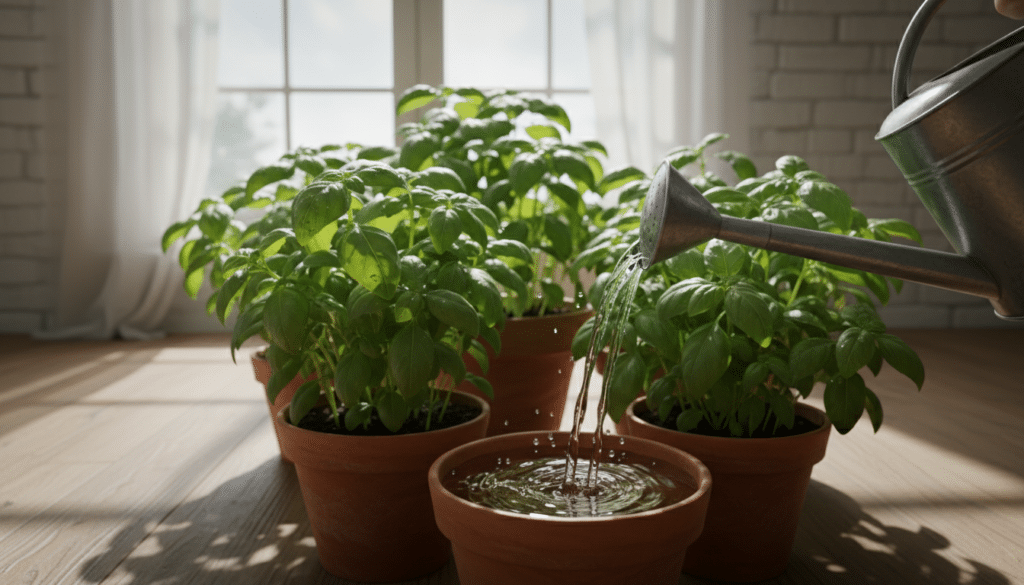
Mastering moisture is the secret to unlocking your basil’s full, aromatic potential. Proper hydration supports robust health and intense flavor in every leaf. Getting this balance right is a foundational skill for any herb gardener.
Maintaining Consistent Moisture Levels
Your goal is soil that feels like a well-wrung sponge—consistently damp but never soggy. Saturated conditions invite fungal diseases, which can quickly damage your crop. Letting the soil dry out completely causes equal stress.
Timing matters greatly. Provide water in the morning whenever you can. This allows excess moisture to evaporate during the day, keeping roots warm and dry at night.
Follow these simple practices for success:
- Check the top inch of soil daily; water when it feels dry.
- In the peak of summer, your containers may need attention more than once a day.
- For herbs in water vessels, refresh the liquid every week or two to keep roots healthy.
This careful management prevents environmental stress. Such stress can force your basil to flower too early, reducing leaf production and compromising that prized, fresh taste.
Choosing the Right Soil and Containers
While light and water get most of the attention, the silent partners in your plant’s health are the potting mix and the pot itself. These choices create the essential environment for roots to spread and thrive.
Getting this foundation right sets the stage for vigorous growth and abundant harvests.
Selecting a Nutrient-Rich Potting Mix
Your soil is the primary source of nourishment. A high-quality organic potting mix is packed with the nutrients your plants crave.
This rich blend is so complete that you won’t need to add any fertilizer for the first six weeks. It provides everything for strong, early development.
Container Options: From Standard Pots to Self-Watering Containers
The vessel you choose is just as important. Standard 4-6 inch pots are a classic and effective choice. Always ensure they have drainage holes to prevent soggy roots.
For easier care, self-watering containers are excellent. They maintain the consistent moisture levels that lead to rapid, healthy growth.
If you use a larger planter, space your plants about 10cm (4 inches) apart. This allows for good air circulation around each one.
| Type | Best For | Key Feature | Drainage |
|---|---|---|---|
| Standard Pot | Beginner gardeners, small spaces | Widely available, affordable | Requires holes in the bottom |
| Self-Watering Container | Busy schedules, consistent moisture | Built-in water reservoir | Internal wicking system |
| Larger Planter | Growing multiple plants together | More room for root expansion | Multiple drainage points needed |
Essential Tips on how to grow basil indoors
The journey from a tiny seed to a lush, fragrant plant begins with a few key planting steps. Following these fundamental practices sets your crop up for vigorous development and a steady harvest.
Step-by-Step Indoor Basil Planting Guide
Success starts with your seeds. First, lightly dampen your potting mix and fill your containers firmly. Sprinkle the basil seeds evenly across the surface.
Next, cover them with a very thin layer of soil. Gently press down to ensure good contact. This is a crucial tip for successful germination.
Place the pots in a consistently warm spot, around 68°F (20°C). In these conditions, you should see sprouts within a few days.
- Once your seedlings emerge, use scissors to thin out crowded areas. This gives the strongest plants ample room for healthy growth.
- For a non-stop supply, practice succession planting. Start a new batch of seeds every two to three weeks.
This simple routine ensures you’ll always have fresh, aromatic leaves ready for your kitchen.
Caring for Your Basil: Pruning, Fertilizing, and Growth
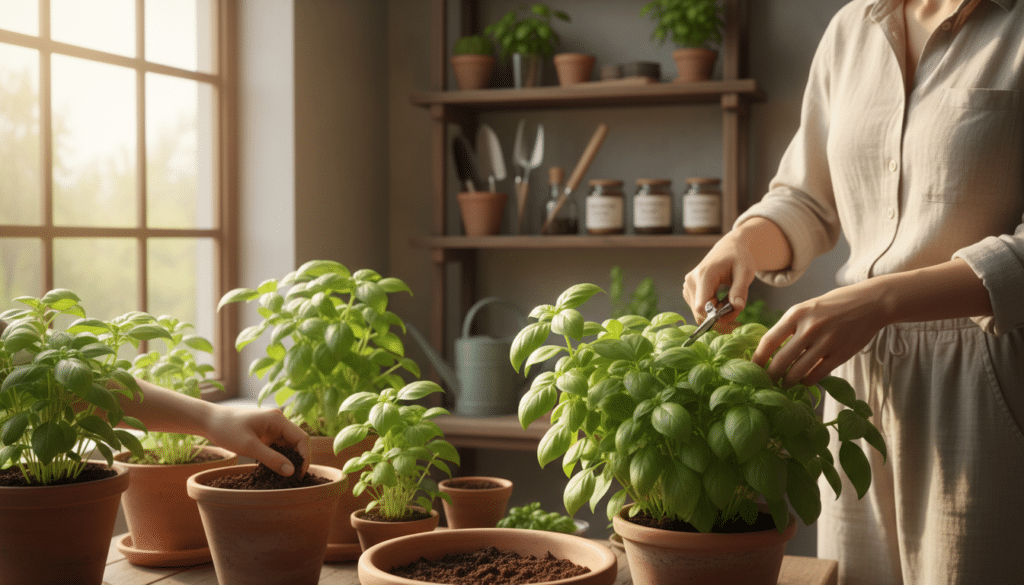
Once your basil is established, a little strategic maintenance can transform it from a single stem into a bushy, leaf-filled wonder. This ongoing care focuses on shaping its form and providing the right nutrition. These simple actions ensure a generous harvest.
Pruning Techniques to Encourage Bushy Growth
Pruning is essential for dense, leafy plants. Always pinch or snip the main shoot tip directly above a pair of leaves. This signals the plant to send out two new branches from that point.
Regular harvesting throughout the summer season acts as natural pruning. It keeps your basil compact and productive. Remove any flower stems immediately to preserve leaf flavor.
Fertilizing and Nutrient Boosting Strategies
Watch your plants for signs they need food. Pale green leaves often call for a nutrient boost. Apply a balanced liquid fertilizer, mixed at the package rate, to support vigorous leafy growth.
Avoid fertilizer formulas high in potassium. These can push your basil to flower prematurely. Stick with a balanced blend to maximize leaf production and that fresh, aromatic flavor.
Feed your herbs every few weeks during the active summer time. This consistent support leads to a healthier, more abundant crop.
Overcoming Common Challenges When Growing Basil Indoors
Your indoor basil crop may face some common issues, but each has a straightforward solution. Careful observation is your best tool for keeping your garden thriving.
Identifying and Managing Pests and Diseases
Keep an eye out for small pests like aphids. Maintaining good air circulation around your plants helps deter them.
Avoiding extreme temperatures in your growing space also reduces stress. If you use compost, ensure it is well-drained. This simple step prevents fungal issues like grey mould.
Preventing Leggy Growth and Flowering Too Early
Leggy, stretched stems are a classic sign of insufficient light. The fix is simple: move your grow lights closer to the top of your plants.
Conversely, white spots on leaves often mean lights are too close. This can cause heat stress. Adjust the distance to find the sweet spot.
Pinch off any flower buds the moment you see them. This is one of the best ways to direct energy back into leaf production, ensuring you get the most flavor from your harvest.
Creative Indoor Basil Uses and Harvesting Tips
Beyond just growing, discovering creative uses for your harvest unlocks the full potential of your efforts. This is where your garden truly pays off, adding incredible flavor to your life.
Harvesting for Maximum Flavor and Longevity
Pick shoot tips regularly throughout the summer. This encourages a bushy shape and prevents early flowering. Always use clean scissors for a clean cut.
For the best taste, collect leaves in the morning. Their aromatic oils are most concentrated then. This simple timing makes a big difference.
Incorporating Fresh Basil into Your Favorite Recipes
Fresh basil loses its delicate flavor when cooked too long. Scatter torn leaves over hot pasta or pizza just before serving.
Remember, you need three times the amount of fresh herbs compared to dried. This ensures your recipes have that bold, vibrant taste. An abundance of leaves is perfect for making pesto or drying for gifts.
Exploring Microgreens and Alternative Growing Methods
For a quick treat, try basil microgreens. Plant the seeds densely in a shallow tray. You can harvest these tender shoots in just 10 to 14 days.
Another easy method is growing plants in a water vessel. This maintains a supply of fresh herbs without any soil. It’s a clean and simple alternative for your kitchen.
Conclusion
Cultivating basil inside transforms your kitchen into a source of vibrant, fresh flavor every day. This rewarding journey brings aromatic joy right into your home.
By following these simple tips, you ensure your plants get the perfect balance of light, water, and nutrients. This leads to year-round success.
Whether you start from seeds or use cuttings, your indoor garden provides a constant supply of delicious, healthy herbs.
Remember to prune regularly and monitor for signs of stress. This keeps your plants productive for a long time.
Enjoy nurturing your basil and experimenting with new recipes. Each harvest highlights the vibrant taste of your own garden.
