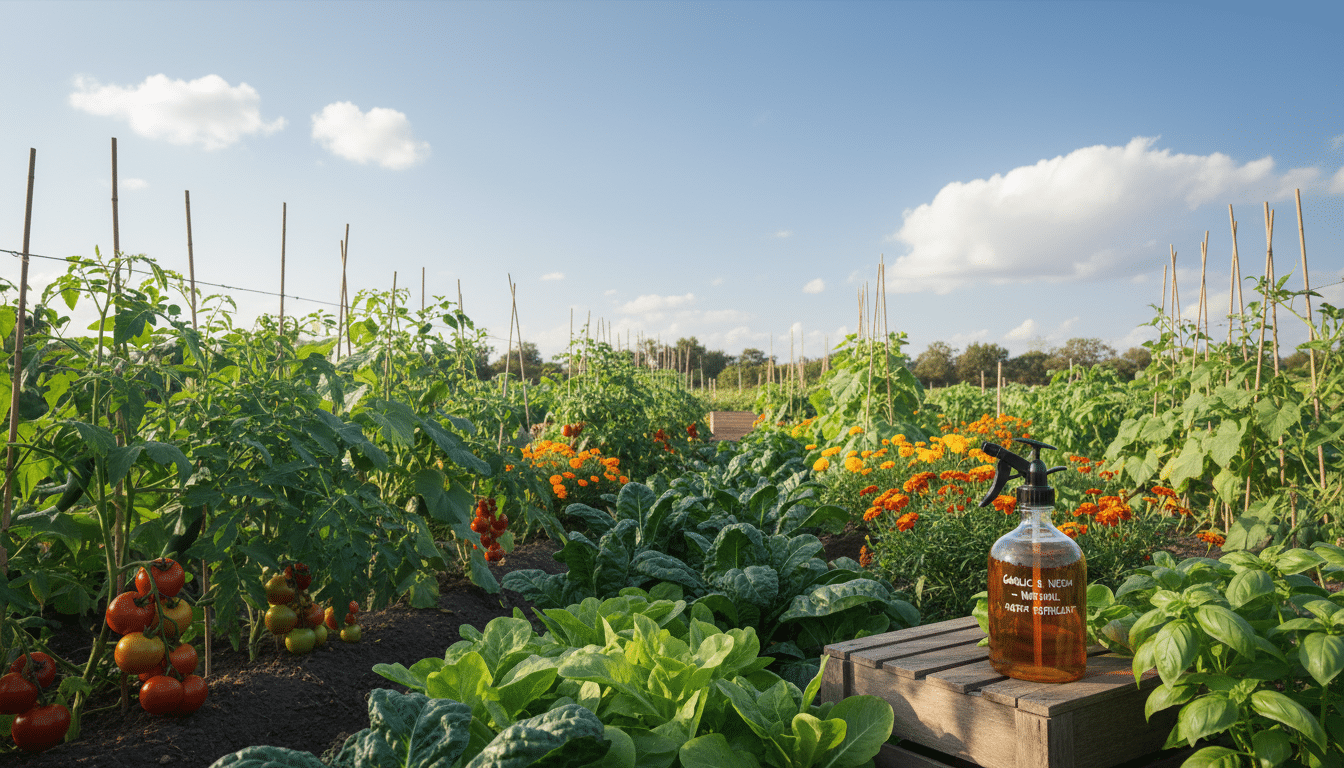
What if your backyard bounty became a bug buffet overnight? Many species see your tender crops as their perfect meal, harvesting them before you get the chance.
Gardeners often face significant damage from hungry invaders like rust-fly larvae and earworms. These pests view home-grown food as a tasty, nutritious source for their development.
This doesn’t mean you must surrender your harvest. You have powerful, natural options. Implementing nine core organic strategies allows you to manage your garden effectively.
Understanding the life cycle of common insects is a game-changer. It lets you protect your plants from early-stage harm. Your vegetable patch can thrive, healthy and productive, all season long.
Key Takeaways
- Nine proven organic strategies can defend your harvest from common invaders.
- Understanding pest life cycles helps prevent early and severe damage.
- Garden pests view your crops as prime food for their development.
- Protecting your plant investment ensures a healthy, abundant growing season.
- Natural management methods are safe for your family and the environment.
- Healthy, well-tended plants are more resilient to pest pressure.
Understanding Organic Pest Control
Organic pest management shifts the focus from chemical warfare to ecological harmony in your growing space. The goal is not to wipe out every insect, but to establish a balanced ecosystem that minimizes plant damage.
Key Benefits of Organic Pest Management
Natural methods create a safe space for your family and local wildlife. They avoid contaminating the soil and harming crucial beneficial insects like bees. This proactive way solves long-term problems for your local environment.
Healthy soil and proper water management are the true foundation. Experts at J&J Nursery and Garden Center emphasize this. Building from the ground up prevents many pest issues before they even start.
| Aspect | Organic Approach | Chemical Approach |
|---|---|---|
| Primary Goal | Ecosystem balance & management | Immediate pest elimination |
| Impact on Soil | Improves and builds health | Can degrade and contaminate |
| Effect on Beneficial Insects | Protects and encourages them | Often harms or kills them |
| Long-Term Garden Health | Promotes sustainable resilience | May create dependency and resistance |
Sustainable gardening solutions prioritize a healthy ecosystem over harsh chemical applications. Healthy soil and water management are foundational to preventing pest issues.
This strategy protects your plant investment. It ensures your gardens remain productive and vibrant, season after season.
Why Choose Organic Methods for Your Vegetable Garden
A gardener in Nashville discovered that encouraging natural predators solved a persistent raccoon issue. This story highlights a core principle of organic gardening. You work with nature, not against it.
Choosing natural methods ensures you are not introducing synthetic chemicals. These substances could harm the food you eat from your own plot. Your family’s health remains the top priority.
Many gardeners find that organic practices lead to more resilient plants. These crops can withstand minor pest damage without needing heavy intervention. Strong, healthy plant growth is your best defense.
Focusing on natural pest management protects your vegetable garden‘s biodiversity. You support the health of local beneficial insects like bees and ladybugs. These allies help control problematic bugs.
Organic strategies help you avoid a harmful cycle. Harsh pesticides often kill the very insects you want in your garden. Natural solutions create a balanced, sustainable ecosystem for all your plants.
Choosing the Best Vegetable Varieties for Pest Resistance
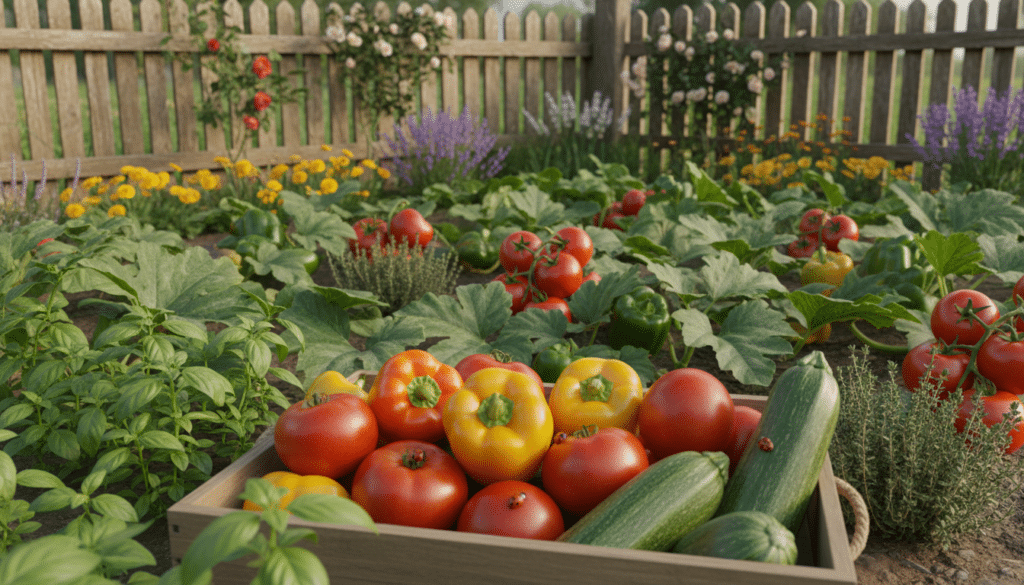
Your first line of defense against garden invaders isn’t a spray bottle—it’s your seed catalog. Selecting varieties naturally resistant to common pests is a core organic strategy. This proactive choice builds resilience from the ground up.
Many modern cultivars are specifically bred for tolerance. These plants can withstand insect pressure with far less visible damage. You’ll spend less time worrying about infestations.
Choosing these robust crops significantly reduces the use of chemical sprays. Your garden stays healthier without synthetic interventions. This protects your family and the local ecosystem.
Research which bugs are prevalent in your area. Then, select vegetable varieties known to resist those specific insects. Seed packets and catalogs often label them as “disease and pest resistant.”
Invest in high-quality seeds from reputable suppliers. This upfront cost pays off with vibrant, productive plants all season. Each plant becomes more resilient. Your harvest will be more abundant and less troubled by severe insect damage.
Designing Your Garden Layout for Natural Pest Defense
Think of your garden as a puzzle where each piece protects the others—this is the essence of strategic layout design. A thoughtful arrangement creates a living barrier that deters unwanted insects before they settle in.
Your plot’s organization is a proactive, non-chemical defense. It works by making life difficult for common invaders.
Crop Intermingling Strategies
Instead of planting in large, uniform blocks, mix your crops in smaller groupings. This tactic makes it harder for specific pests, like cabbage worms, to locate their favorite host plants.
Hiding desirable vegetable varieties among others creates confusion. This simple strategy can significantly reduce the overall damage to your harvest.
Optimizing Planting Times
Timing is a powerful tool. Schedule your planting to avoid the peak reproduction cycles of problematic bugs. This ensures your crops mature with less pressure.
Successive planting, spacing plants a few weeks apart, safeguards your entire yield. It prevents a single generation of invaders from destroying everything at one time.
Proper spacing and strategic timing are essential. They form a core part of any successful organic garden defense plan against common pest species.
Using Natural Repellents and Sprays
Imagine whipping up a powerful pest deterrent right in your own kitchen—it’s easier than you think. Many common household items can be transformed into effective, non-toxic sprays. These solutions offer a safe way to manage unwanted visitors without harsh chemicals.
Creating your own blends puts you in control of what touches your food. It’s a proactive step toward a healthier growing space.
Homemade Garlic and Neem Oil Sprays
A simple garlic spray works wonders against soft-bodied invaders. Blend several cloves with water and a dash of liquid soap. The strong odor repels aphids and caterpillars effectively.
Neem oil is another star player for organic defense. This natural oil, pressed from neem tree seeds, disrupts the life cycle of many pests. It is highly effective against spider mites, whiteflies, and aphids.
For leaf-eating insects, a chili pepper spray can be a great deterrent. Combine blended peppers with water and mild dish soap. Always test any new mixture on a small patch of your plant first.
This ensures no adverse effects occur before a full application. Using these non-toxic repellents protects your garden’s ecosystem.
| Spray Type | Key Ingredients | Target Pests | Application Notes |
|---|---|---|---|
| Garlic Spray | Garlic cloves, water, liquid soap | Aphids, caterpillars | Strong odor; best applied in cool hours |
| Neem Oil Spray | Neem oil, water, mild soap | Spider mites, whiteflies, aphids | Disrupts feeding and growth; mix fresh |
| Chili Pepper Spray | Chili peppers, water, dish soap | Leaf-eating insects | Can irritate; wear gloves during preparation |
These homemade options provide a safe barrier against common pests. They help prevent significant damage to your valuable crops. Regular use supports a balanced and thriving garden environment.
Barriers and Traps: How to Keep Bugs Off Vegetable Plants
Creating a literal barrier between your tender crops and hungry insects is a classic, highly effective organic tactic. These methods provide immediate protection without any sprays.
Effective Physical Barriers
Floating row covers are a top choice for defense. These water-porous, lightweight blankets drape directly over your plants. They stop flying pests from landing and laying eggs on the leaves.
For beetles and other insects drawn to bright colors, try yellow sticky boards. Coating them with a product like Tangle-Trap creates a simple DIY project. This trap captures bugs before they cause damage.
Target specific threats with tailored solutions. A cardboard collar from a toilet paper roll shields a young plant stem from cutworms. Wrapping foil around squash stems discourages vine borers.
Even slugs can be managed with a clever trap. Place an old board in the garden overnight. Flip it over in the morning to find and remove these common pests.
Physical barriers are especially useful during early growth. Your cabbage and other seedlings are most vulnerable then. This proactive use of barriers safeguards your entire garden investment.
Embracing Beneficial Insects and Natural Predators
The secret to a resilient harvest often lies in the tiny predators patrolling your plants. Not every insect in your garden is a foe. Many species are vital allies, providing essential natural predators that control destructive pests.
Identifying Beneficial Insects
Learning to recognize these helpers is crucial. Ladybugs are famous for devouring aphids. Lacewing larvae hunt soft-bodied insects with ferocity.
Praying mantises ambush larger bugs like beetles. These beneficial insects offer free, continuous damage control. Protecting them is a smart strategy.
Encouraging Natural Predators in Your Garden
Create a welcoming habitat for these predators. Leave small patches of undisturbed soil or brush for shelter. This simple act supports a balanced ecosystem.
Avoid broad-spectrum pesticides. They harm beneficial insects alongside the pests. For targeted help, consider use of biocontrols like parasitic nematodes.
Naturally-derived sprays containing Bacillus thuringiensis are also effective. Encouraging natural predators ensures your garden has its own defense team, keeping insects in check organically.
Companion Planting: Harnessing Nature’s Power
Nature provides its own defense team when you know which species to pair together. This ancient practice uses specific flowers and herbs to protect your garden. It creates a diverse ecosystem that confuses and repels unwanted bugs.
Pest-Repellent Companion Plants
Marigolds are excellent companion plants. They repel aphids, beetles, and nematodes. Basil protects tomatoes from whiteflies and hornworms.
Lavender is a useful companion plant. It keeps moths and fleas away from your garden. At the same time, it attracts beneficial pollinators to your flowers.
Each companion plant targets a different pest.
Garlic and onions serve as effective companion plants. They deter rabbits, slugs, and other pests from attacking vulnerable crops. Learn more about garlic companion planting strategies for your plot.
Strategic companion planting creates a natural barrier. It disguises the scent of desirable crops, making it harder for pests to find them.
By integrating these companion plants, you enhance your vegetable garden‘s growth. You also reduce overall damage caused by common garden insects. Wise use of this method strengthens your plot’s natural defenses.
Garden Maintenance and Integrated Practices
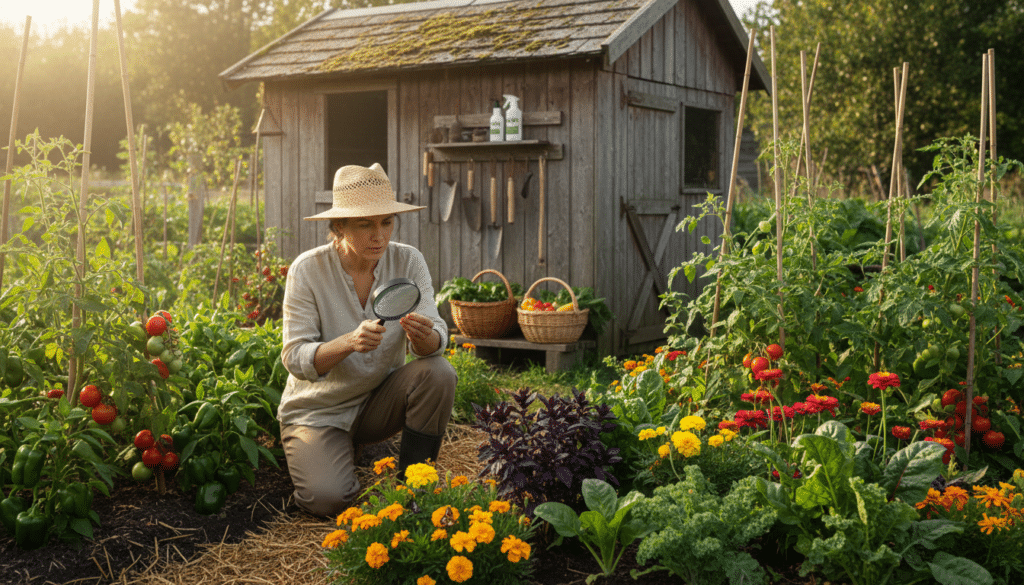
A well-maintained garden is your strongest shield against pest invasions, blending daily care with strategic practices. This integrated approach creates an environment where your crops thrive naturally.
Consistent upkeep disrupts the life cycles of common garden pests. It also promotes robust plant health, reducing their appeal to hungry insects.
Routine Pruning and Weed Control
Regularly trimming your plants improves air circulation around the leaves. This simple act significantly lowers disease risks.
Removing weeds eliminates hiding spots for aphids, slugs, and beetles. A tidy plot gives these invaders fewer places to settle.
Harvest ripe tomato and other fruits promptly. Overripe produce becomes a food source for whiteflies and slugs.
Maintaining Soil Health for Natural Defense
Healthy soil is the foundation of all control efforts. Experts at J&J Nursery recommend adding organic compost.
This improves soil nutrients and drainage. Your plants grow stronger and more resistant to damage.
Keep compost bins covered. Maintain tidy garden beds to prevent rodents from moving in.
This consistent soil management supports your garden all season long.
| Maintenance Task | Primary Benefit | Target Pests & Issues |
|---|---|---|
| Pruning Plants | Improves air flow, reduces disease | Fungal issues, mites on leaves |
| Weed Removal | Eliminates pest hiding spots | Aphids, slugs, beetle larvae |
| Adding Compost | Boosts soil nutrients and structure | General weakness, poor growth |
| Timely Harvesting | Removes pest food sources | Whiteflies, slugs, tomato hornworms |
These integrated practices work together for effective control. They help your vegetable plot remain productive and healthy.
Conclusion
Your journey toward a thriving, pest-resilient garden culminates in a harvest you can proudly share. Applying the organic tips from this guide helps manage your tomato plants and other crops. You can avoid harsh pesticides while ensuring a bountiful yield of healthy vegetables.
A healthy garden ecosystem relies on balance. Beneficial insects and natural plant defenses work together. This harmony reduces damage from common pests like aphids and slugs.
Consistent maintenance and smart planting are your best tools. They build resilience in your soil and plants.
These strategies let you enjoy fresh, organic food all season. Visit local experts for supplies to support your vegetable garden for years to come.
