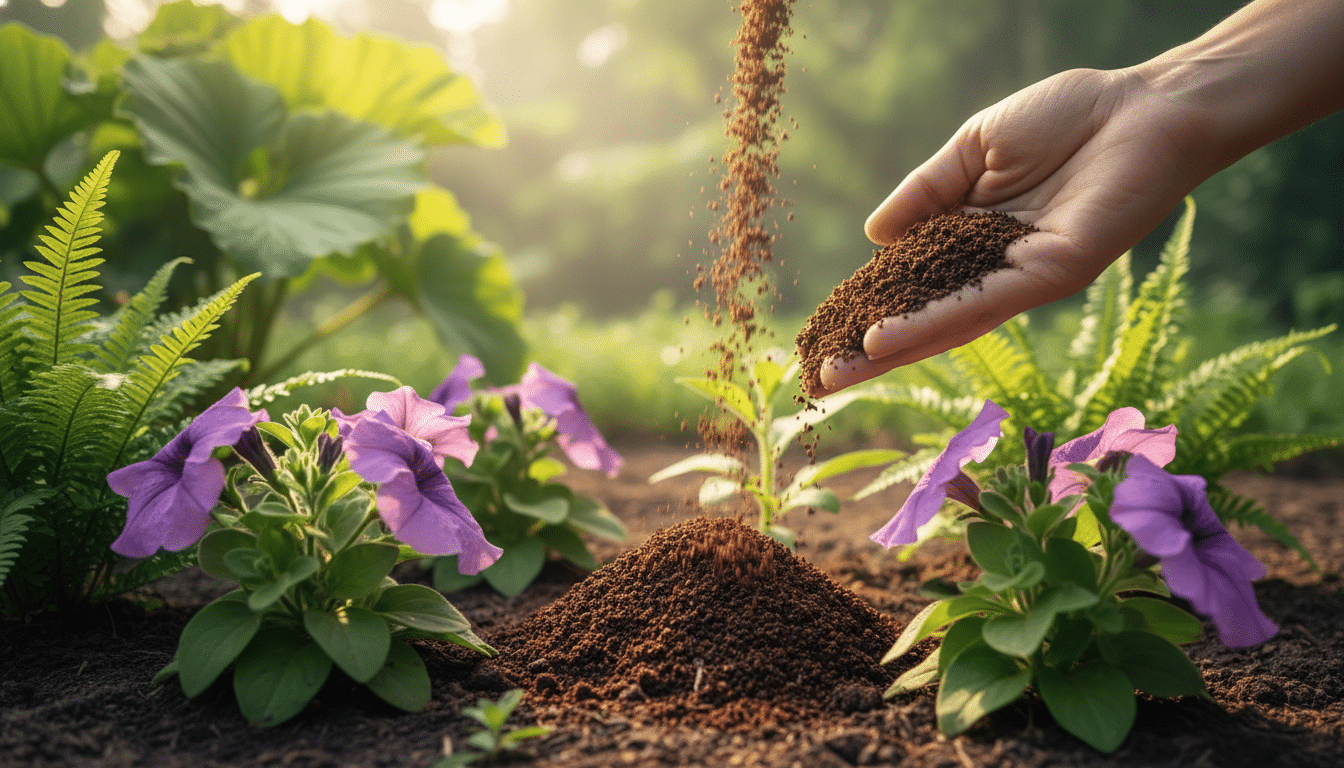
Have you ever wondered if your morning ritual could hold the secret to a lush, thriving garden? Millions of people across the globe drink billions of cups daily, creating massive amounts of waste. Instead of tossing those leftovers away, you can transform them into a powerful resource for your soil.
Using coffee grounds as fertilizer for plants is a brilliant way to recycle kitchen scraps effectively. These organic materials provide essential nitrogen and potassium that help your greenery grow strong and healthy. They offer a sustainable alternative to chemical products while reducing your household trash footprint.
However, you must be careful when you use coffee grounds in your outdoor spaces. While these grounds improve soil structure, applying too much can lead to moisture issues or unexpected compaction. It is vital to understand which specific plants will benefit from this boost and which might react poorly.
Just as you might boost your tomato seedlings with specialized nutrients, coffee requires a thoughtful approach. This guide will help you master the art of natural nourishment without harming your sensitive greenery. Recycling your waste has never been more rewarding for your home environment.
Key Takeaways
- Coffee waste contains nitrogen, phosphorus, and potassium for healthy growth.
- Recycling leftovers reduces landfill waste and benefits the environment.
- Not every species reacts well to the acidity of these organic scraps.
- Proper application prevents soil crusting and drainage problems.
- Using kitchen waste is a cost-effective way to improve soil texture.
- Monitoring soil pH is essential when adding these materials regularly.
Understanding the Benefits of Coffee Grounds for Your Garden
Your morning routine holds a secret ingredient that can revitalize your backyard soil naturally. Instead of tossing them out, you can use these leftovers to give your garden a serious boost.
Nutritional Content: Nitrogen, Phosphorus, and Potassium
When you add coffee grounds to your garden, you provide a rich source of nutrients. They contain a balanced NPK ratio of approximately 2.1:0.3:0.3. This means they are relatively high in nitrogen, which is essential for lush green growth.
These grounds also offer trace elements like copper, boron, zinc, and iron. These nutrients help your plants with enzyme production and photosynthesis. By adding them to your compost or soil, you ensure a healthy environment.
The Truth About pH Levels in Used vs. Fresh Coffee Grounds
A common myth is that all coffee is highly acidic. While fresh grounds are very acidic, used coffee grounds have a nearly neutral pH of 6.5 to 6.8. This makes them safe for a wide variety of greenery.
The brewing process washes away most of the acidity into your cup. This makes spent coffee grounds safe for most plants without the risk of burning their roots. Used coffee grounds are much gentler than unbrewed ones.
Additional Benefits: Pest Deterrence and Soil Structure
Research from Oregon State University shows that a 2% solution of coffee grounds in water can stop slugs. The caffeine first repels them and then causes them physical harm. This is a great natural way to protect your leaves.
Beyond pests, these grounds improve the soil structure by helping it retain moisture. They also increase airflow around the roots. This prevents your garden from becoming waterlogged during heavy rains.
Adding coffee leftovers also attracts beneficial earthworms to the area. These worms pull the grounds deeper into the earth. This process improves the overall health of your plants and distributes food evenly.
Caffeine’s role is to strengthen plants’ defense capabilities directly as a toxicant to biological attackers and indirectly as an activator of defense systems.
As the grounds break down, they fight off many underground pathogens. This coffee byproduct acts as a natural shield for your greenery. It is a simple way to recycle and grow better plants at the same time.
| Component | Key Benefit | Impact on Plants |
|---|---|---|
| Nitrogen | High 2.1% ratio | Promotes vibrant green leaves |
| Coffee Grounds | Texture and Grit | Improves drainage and aeration |
| Trace Elements | Iron and Zinc | Supports healthy enzyme production |
| Caffeine | Natural Toxicity | Repels common pests like slugs |
How to Use Coffee Grounds as Fertilizer for Plants
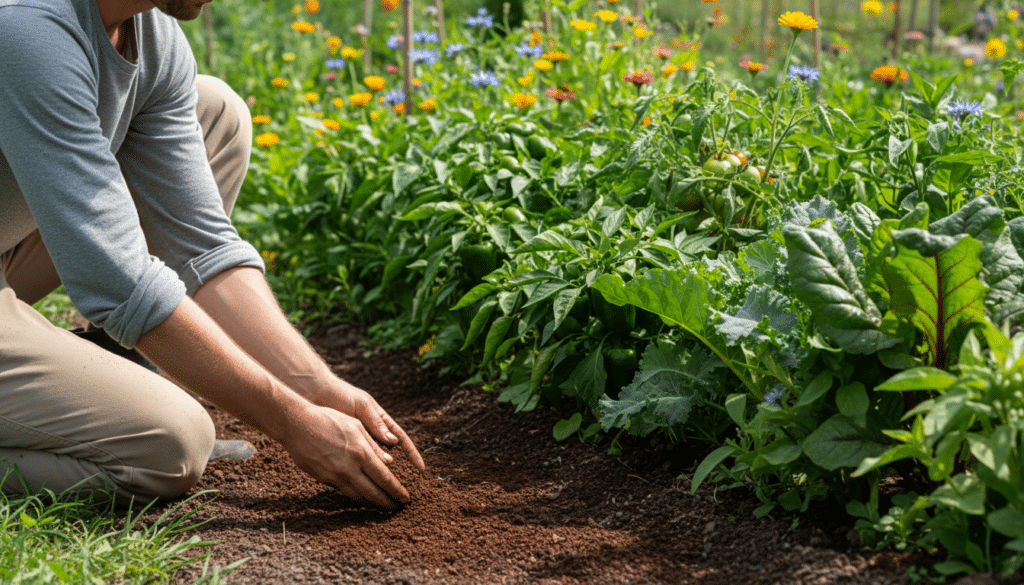
Transforming your daily waste into garden gold starts with understanding the right techniques for application. You might feel tempted to toss that morning filter straight onto your flower bed. However, taking a few simple steps ensures your plants get the most benefit without any risks.
Many gardeners fail because they don’t prepare their materials properly. By following a structured approach, you can maximize the nutrient output from your kitchen. Let’s explore the best ways to incorporate these grounds into your routine.
Step 1: Dry and Prepare Your Used Coffee Grounds
Why Used Grounds Are Better Than Fresh
Fresh coffee is often too acidic and full of caffeine for most greens. The brewing process effectively washes away most of the harmful acidity. This makes spent coffee grounds much safer for the delicate root systems in your garden.
Caffeine can actually inhibit the growth of some younger specimens. Since hot water extracts most of the caffeine into your mug, the leftovers are far more stable. Always stick to used material to avoid burning your prized vegetation.
Proper Drying Techniques
Moisture is the enemy when you want to use coffee grounds as a dry soil additive. Spread your used coffee grounds on a flat tray or baking paper for several days. This prevents the material from clumping together or growing mold when you finally use it.
Step 2: Mix Coffee Grounds into Your Compost Bin
The safest way to manage these scraps is through a coffee grounds compost system. Adding them to a pile allows the nitrogen to break down slowly and safely. This method is perfect for those who have a larger outdoor space to manage.
Maintaining the Right Carbon-to-Nitrogen Ratio
You should aim for your coffee grounds compost to make up only 10% to 20% of your total mix by weight. This specific balance prevents a nitrogen overload. If the ratio is too high, it might actually slow down the decomposition process.
Combining with Shredded Leaves and Plant Material
Follow a simple composting rule for success. Use 25 to 40 parts of shredded leaves or paper to about 5 to 10 parts of wet greens. Even though they look brown, the grounds count as a nitrogen-rich “green” material from your kitchen.
Step 3: Create a Liquid Coffee Fertilizer
You can create a gentle liquid tea by using coffee in a diluted form. Mix 1 to 2 cups of leftover material with 5 gallons of water. Let the mixture steep for a few nights to draw out the nutrients.
Strain the liquid through a cheesecloth before application. This provides a mild boost of nitrogen that is easy to use coffee for your container plants. It is a fantastic way to nourish your greenery without changing the soil structure.
Step 4: Apply Directly to Soil Surface
If you prefer a fast method, apply coffee grounds directly to the surface of the garden. You must spread them thinly to avoid creating a waterproof crust. Simply emptying your pot onto the border soil is fine as long as you rotate the spots.
How Much to Use and Application Frequency
Applying coffee grounds one or two times during the growing season is the best frequency. This usually happens during the spring and summer months when plants are most active. This limited use coffee grounds schedule prevents the buildup of fine particles that could block airflow.
Step 5: Use Coffee Grounds as Garden Mulch
You can create a protective barrier by using coffee grounds as part of a mulch blend. Combine them with straw, tree bark, or grass clippings for the best results. Apply a thin layer around the base of your outdoor vegetation.
“Coffee grounds can improve soil structure over time, but they must be mixed with other organic matter to avoid compaction.”
This mixture helps the soil retain moisture while deterring common pests. It also keeps roots cool during the intense heat of the summer. Always ensure the mulch remains loose so water can reach the roots easily.
| Application Method | Preparation Needed | Best Frequency | Main Benefit |
|---|---|---|---|
| Composting | Mix with dry leaves | Continuous | Improved soil texture |
| Liquid Fertilizer | Steep in water | Every 2-4 weeks | Fast nutrient uptake |
| Direct Surface | Dry completely | Twice per season | Slow-release nitrogen |
| Mulch Mix | Blend with straw | Once per spring | Moisture retention |
Plants That Love Coffee Grounds
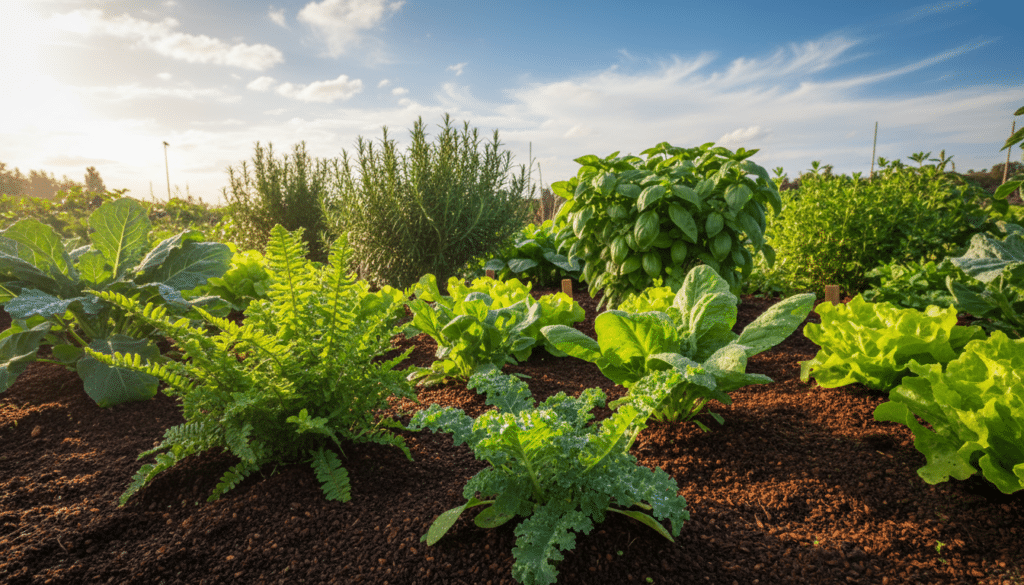
Discovering which greenery in your backyard will truly flourish with a caffeinated boost is a game-changer for any hobbyist. Many plants thrive when you introduce these organic materials into your routine. Using a coffee grounds garden strategy allows you to recycle waste while feeding your landscape naturally.
Acid-Loving Ornamental Plants
Certain plants like a bit of extra acidity to help them absorb vital minerals from the earth. Azaleas, blueberries, and hydrangeas thrive when you use coffee in a diluted liquid form. This method ensures they get the coffee grounds garden benefits without over-saturating the grounds.
“Brewed liquid coffee has a pH just above or below 5, which is enough to make hydrangeas bloom a stunning bright blue.”
The slight acidity helps these species absorb iron and other micronutrients more efficiently. You will notice deeper colors and stronger stems when these acid-loving varieties are fed correctly.
Nutrient-Hungry Indoor Houseplants
Many coffee grounds plants inside your home, such as Philodendrons and Pothos, crave a nitrogen boost. These plants use the extra nutrients to develop lush, green foliage. Even a small amount of leftover coffee can perk up a tired plant.
For exotic varieties like Sansevieria, you should use coffee grounds sparingly on the soil surface. This prevents moisture from getting trapped, which could potentially hurt the plant. Always ensure your plants have proper drainage before adding any amendments.
| Houseplant | Main Benefit | Application Tip |
|---|---|---|
| Snake Plant | Healthy Foliage | Sparse Surface Sprinkle |
| Peace Lily | Vibrant Leaves | Mix into Compost |
| Jade Plant | Steady Development | Diluted Liquid Feed |
Flowering Plants and Roses
Roses are famously hungry and definitely like coffee grounds when you apply them in late winter. This timing helps support vigorous growth once the buds have set. These coffee grounds plants respond well to the nitrogen found in the recycled grounds.
You can also create a protective barrier with the grounds around hostas to deter hungry slugs. While results vary, many find it a helpful way to protect their grounds good plants. Just remember that even these plants need the coffee grounds applied in moderation to keep the environment healthy.
Vegetables That Benefit from Coffee Grounds
In the vegetable patch, several crops like coffee grounds because of the nitrogen content. These grounds good plants develop sturdy stems and healthy leaves throughout the summer. Mixing them into the soil also helps improve the texture for root development.
- Leafy greens like spinach and kale.
- Root vegetables that enjoy a looser texture.
- Other coffee grounds plants that prefer a slightly lower pH.
Always remember to provide coffee grounds in cycles to keep the balance of your plant bed. Your coffee waste provides the best value when it is one part of a diverse diet. If you see your grounds becoming too thick, simply scratch them into the earth to help the grounds break down faster.
Plants That Don’t Like Coffee Grounds
Before you toss those dregs into every corner of your garden, you should know that not every leaf and stem will appreciate the gesture. While many plants thrive with kitchen scraps, others might struggle with the specific chemistry of bean waste. Understanding which grounds good plants enjoy and which they dislike is essential for a healthy harvest.
Some species are particularly sensitive to the compounds found in coffee. Using these additives indiscriminately can lead to poor growth or even root damage. It is always best to research each plant before changing its feeding routine.
Tomatoes and Caffeine-Sensitive Plants
Tomatoes are surprisingly sensitive to residual caffeine. Even used coffee grounds contain enough of this stimulant to act as a natural growth inhibitor. This often leads to smaller harvests and stunted stems in your garden.
Caffeine serves as a defense mechanism in nature, keeping competing species away. For a high-yielding tomato crop, keep these grounds in the compost pile rather than the soil. This ensures your vegetables focus on fruit production instead of fighting off chemical stress.
Succulents, Cacti, and Drought-Resistant Plants
Desert plants like cacti and succulents need sandy, loose environments to thrive. Adding coffee grounds increases water retention in the pot significantly. This extra moisture often causes root rot and fungal issues that these species cannot survive.
These varieties prefer to dry out completely between waterings. When the grounds stay damp, they create anaerobic conditions that suffocate delicate root systems. To keep your succulents happy, stick to well-draining mineral mixes instead.
Herbs Preferring Alkaline Soil
Herbs like Rosemary and Lavender crave neutral or slightly alkaline conditions. While coffee grounds plants usually lean toward acidic needs, these Mediterranean herbs will suffer. Even near-neutral coffee additives can disrupt the pH balance required for the best results.
Ferns also fall into the category of plants that prefer different nutrient profiles. They generally do not respond well to the heavy nitrogen boost provided by a coffee grounds garden application. Always check the preferred pH of your herbs before amending the earth.
| Plant Variety | Sensitivity Factor | Potential Outcome |
|---|---|---|
| Tomatoes | Caffeine Residue | Stunted Growth |
| Cacti | Moisture Retention | Root Rot |
| Lavender | pH Imbalance | Yellowing Leaves |
| Seedlings | Allelopathy | Failed Germination |
Seedlings and Germinating Seeds
Never use coffee on tiny seedlings or fresh seeds. The caffeine residue can stop seeds from sprouting entirely by inhibiting the germination process. Young roots are also too delicate to handle the concentrated nutrients found in the waste.
Wait until your greenery is mature and established before introducing coffee grounds plants to the area. Protecting your sprouts during their early life stages ensures a much stronger start. Patience is your best tool when managing a young nursery.
“Caffeine is a natural defense mechanism for the coffee plant, often inhibiting the growth of nearby competitors in the wild.”
Conclusion
Your daily brew offers more than just a morning boost; it provides a sustainable way to nourish your greenery. Using coffee grounds from your kitchen is a smart way to add nitrogen and improve soil structure. This simple habit helps your garden thrive while deterring pests like slugs naturally.
Always use spent, dried grounds to avoid excessive levels of caffeine that can inhibit growth. By opting for recycled coffee, you ensure your plants get the benefits without harsh acidity. It is vital to prepare them correctly to keep the soil healthy for every plant.
You can add these to your compost, create a liquid feed, or mix them into mulch for the best results. Remember that acid-loving plants love this boost, while others may not. Knowing how to use coffee grounds effectively ensures that each plant receives the precise nutrients it requires for long-term health.
Recycling your coffee grounds garden materials significantly reduces landfill impact while supporting a healthy ecosystem. Start with a small amount and watch how your greenery reacts to the soil changes. Many local establishments offer free coffee grounds plants will benefit from if you need a larger supply.
With a little extra coffee and patience, you will see a more vibrant landscape. Ensure you prepare the grounds well before adding them to your compost pile. Properly handled coffee grounds are a gift, and if done right, these plants will flourish while your other plants grow stronger because you chose to use coffee wisely.
| Application Method | Garden Benefit | Best Plant Choice |
|---|---|---|
| Composting | Adds nitrogen and structure | General garden beds |
| Direct Sprinkling | Deters pests like slugs | Acid-loving ornamentals |
| Liquid Fertilizer | Fast nutrient absorption | Indoor houseplants |
