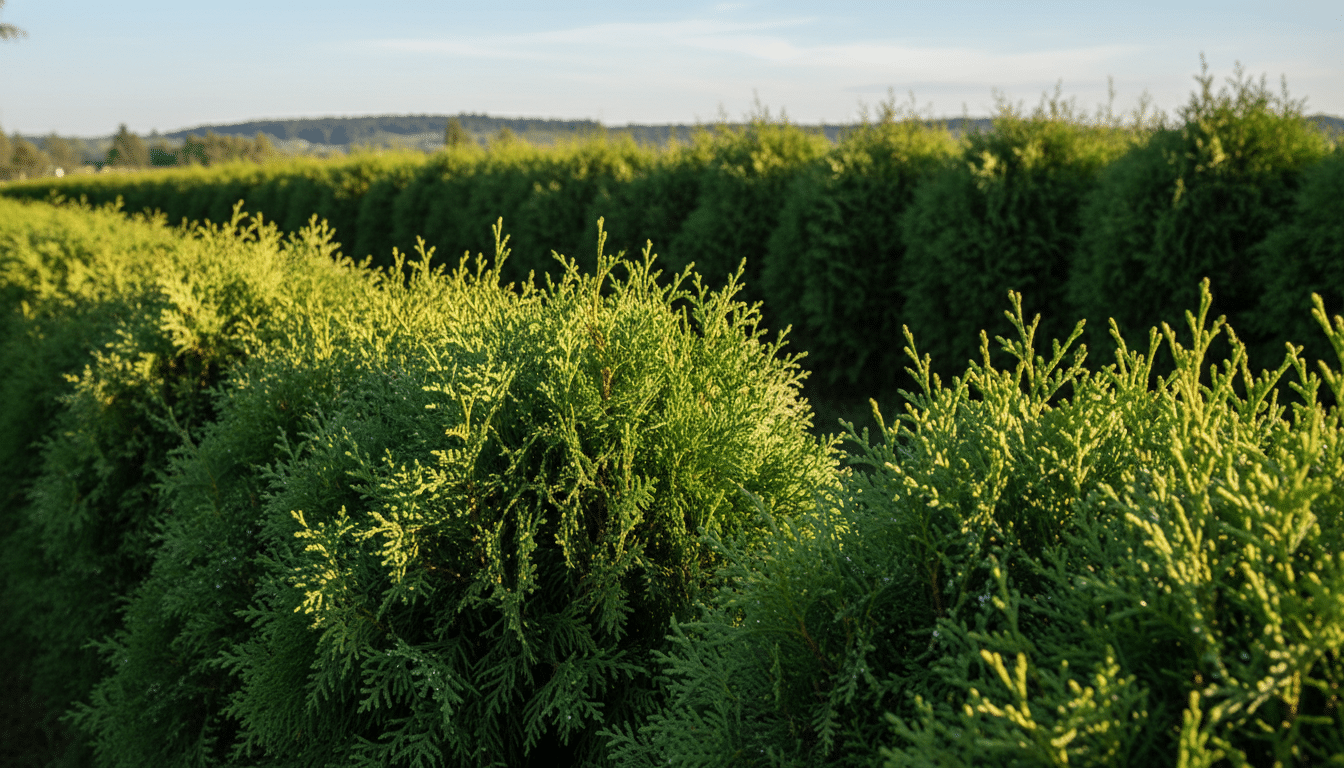
Have you ever wondered why some privacy hedges look like lush walls of velvet while others struggle to stay alive? These popular evergreen trees, known scientifically as Thuja occidentalis, add incredible value and charm to your outdoor space.
Native to eastern Canada and the northeastern United States, these evergreens grow roughly one foot every year. When you provide the right care, their scale-like leaves produce a distinctive, refreshing woodsy scent that fills the air.
Maintaining a vibrant wall of foliage requires more than just regular watering; it takes the right blend of nutrients. Using a high-quality arborvitae emerald green fertilizer ensures your trees stay dense, resilient, and colorful.
This specific plant variety offers unmatched privacy for your yard and property boundaries throughout the year. Proper nutrition helps your vibrant plants thrive through every season, making your landscape the envy of the entire neighborhood.
Key Takeaways
- Consistent nutrition is vital for maintaining dense, scale-like foliage.
- Healthy hedges grow approximately one foot per year with proper support.
- Early spring is the ideal time to apply nutrients for maximum growth.
- Balanced NPK ratios help strengthen roots and brighten evergreen colors.
- Organic options improve soil structure while providing a slow release of food.
- Correct application techniques prevent root burn and ensure long-term health.
Why Your Arborvitae Emerald Green Needs Fertilizer
Maintaining a lush Emerald Green arborvitae requires more than just consistent water and sunlight. While your backyard soil likely contains some natural minerals, it rarely provides every element needed for peak health. Adding fertilizer annually helps replenish the energy your plant consumes during the peak growing season.
Understanding Nutrient Requirements for Vibrant Foliage
Your trees rely on three primary nutrients to thrive: nitrogen, phosphorus, and potassium. Nitrogen keeps the foliage a deep green by supporting vital chlorophyll production. These essential nutrients ensure your tree stays strong throughout the year.
Phosphorus aids in sturdy root growth, while potassium helps the tree move water efficiently through its internal system. Without these nutrients, you might notice your evergreens looking thin or pale. Proper feeding is the secret to that thick, emerald wall you desire.
How Soil Conditions Affect Tree Health
Every yard has unique soil conditions that impact how well a plant can absorb food. Without a regular nutrient boost, your arborvitae might suffer from yellowing needles or stunted development. Testing your soil helps you understand the specific deficiencies in your landscape.
The Role of Regular Fertilization in Long-Term Care
Investing in consistent fertilization ensures your trees remain a strong privacy barrier for many decades. Well-fed arborvitae develop better resistance to environmental stress and common garden pests. Regular feeding promotes steady growth and keeps your landscape looking spectacular.
By applying fertilizer now, you are building a foundation for future vitality. It is much easier to maintain a healthy specimen than to rescue a dying one. Using the right fertilizer ensures your greenery remains the envy of the neighborhood.
Choosing the Best Arborvitae Emerald Green Fertilizer
Selecting the ideal fertilizer for your arborvitae doesn’t have to be a guessing game. Providing the right nutrients ensures your plant remains healthy and vibrant throughout the year. You can easily find a high-quality type of nourishment that fits your specific gardening style and budget.
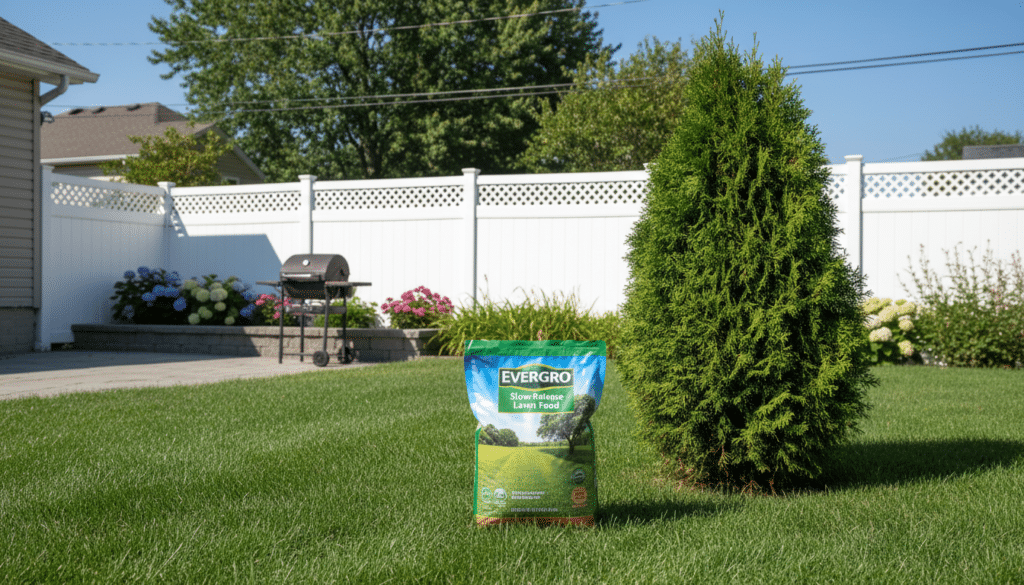
Before you head to the garden center, it helps to know what specific ingredients to look for. Most evergreens require a balanced diet to maintain their thick, green needles. Understanding how different products work will help you achieve the best results for your landscape.
Decoding NPK Ratios: What Your Trees Actually Need
Understanding npk ratios is simpler than it sounds. These three numbers represent the percentage of nitrogen, phosphorus, and potassium in the bag. A “complete” fertilizer contains all three essential macronutrients for optimal growth.
Your trees usually thrive with a higher nitrogen level and a lower phosphorus and potassium count. Look for a specific ratio like 10-4-4 or 11-5-5 to support lush foliage. Some gardeners also find success using a balanced 10-10-10 ratio for overall tree health.
Why Slow-Release Fertilizers Win for Arborvitae
A slow-release fertilizer is often the best choice for busy homeowners. This type of product releases nutrients gradually over several months, so you only need to apply it once a year. It mimics the natural growth patterns of your tree while preventing root burn.
By providing a steady supply of nitrogen, phosphorus, and potassium, you ensure the tree never goes hungry. This consistent feeding schedule supports a strong root system and dense branches. It is the most efficient way to manage your plant care.
Organic vs. Synthetic Fertilizers: Pros and Cons
Organic fertilizers come from natural materials like rock dust or chicken feathers. These options feed the soil slowly and reduce the risk of environmental leaching. They are a fantastic way to support long-term soil health and sustainability.
Synthetic fertilizers are made in a lab and often act much faster than organic ones. While they provide immediate results, they can sometimes wash away into local waterways. Choose the one that best matches your environmental goals and the speed of results you desire.
Granular Fertilizers vs. Fertilizer Spikes
Granular fertilizers are solid grains you sprinkle directly onto the ground. They are generally more economical and allow for even distribution around the entire root zone. This makes them a popular choice for long privacy hedges.
Fertilizer spikes are pre-measured sticks you drive into the soil. Many people find these easier to use, although they usually cost more than loose grains. Both fertilizers work well to support healthy growth if you follow the package instructions carefully.
When to Fertilize Your Arborvitae for Maximum Growth
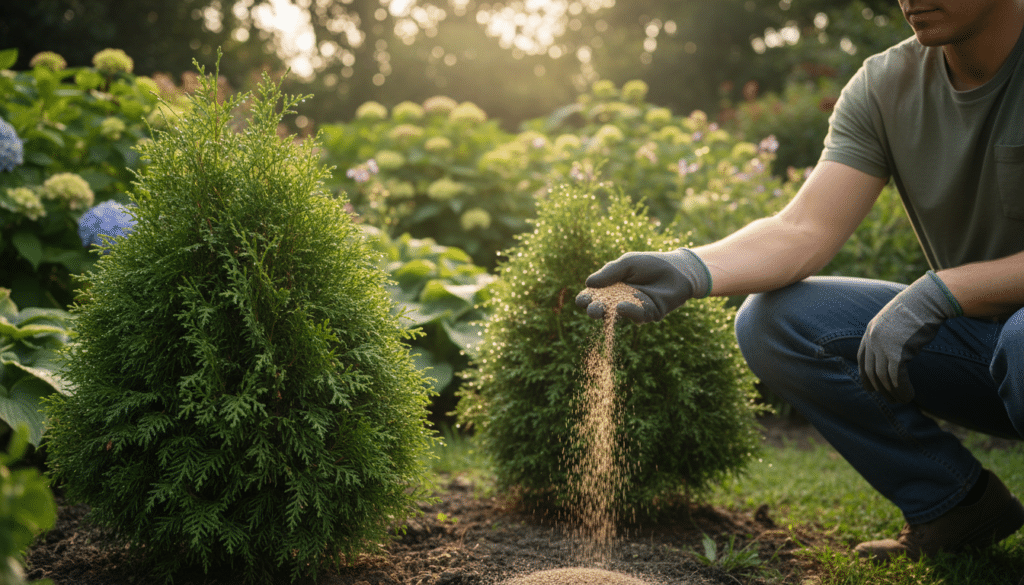
Mastering the calendar is your secret weapon for maintaining vibrant and healthy Arborvitae all year. Choosing the right time to feed your plants ensures they get the nutrients they need right when they can use them most. Correct timing makes all the difference between a struggling shrub and a thriving hedge.
Applying the best fertilizer for arborvitae at the correct time supports a lush growing season. Proper fertilizing prevents wasted effort and keeps your trees strong against environmental stress throughout the year.
Spring Fertilization: The Optimal Window
The best time fertilize your Emerald Greens is in early spring, typically during March or April. You want to act just before the growing season begins and new growth starts to emerge on the green stems. It is the perfect time fertilize to maximize the expansion of your foliage.
A single application during this time provides enough energy for the entire season. This early spring boost helps your plants wake up from dormancy with plenty of vigor and strength. Feed them as the ground thaws and the roots begin their active work again.
Why You Should Avoid Late Fall Feeding
You should absolutely avoid fertilizing your trees in the late fall. This mistake can trigger new growth that won’t have time to harden off before the freezing winter temperatures arrive. Fresh stems are very tender and will likely die if they face a sudden frost.
While some people suggest a very light feeding in early fall to prep for winter, it is often safer to wait. Protecting your investment from cold damage should be your top priority. Ensure the plant focuses on dormancy rather than pushing out vulnerable shoots during a cold season.
| Timing | Recommended Action | Primary Benefit |
|---|---|---|
| Early Spring | Apply slow-release granules | Fuels vigorous leaf expansion |
| Early Fall | Optional light feeding | Strengthens roots for dormancy |
| Late Fall | Stop all feeding | Prevents frost damage to stems |
Special Timing Considerations for Newly Planted Trees
If you have newly planted specimens, resist the urge to add nutrients immediately. These newly planted beauties need time to establish their root systems in the soil first. Adding harsh chemicals too soon can actually burn tender roots and stunt overall development.
Wait until their second spring to start a regular feeding schedule for the best results. If you notice a slight lack of color during the first few months, do not worry. This is usually just a normal part of the adjustment period as they settle into their new home.
Step-by-Step Guide: How to Apply Fertilizer to Your Arborvitae
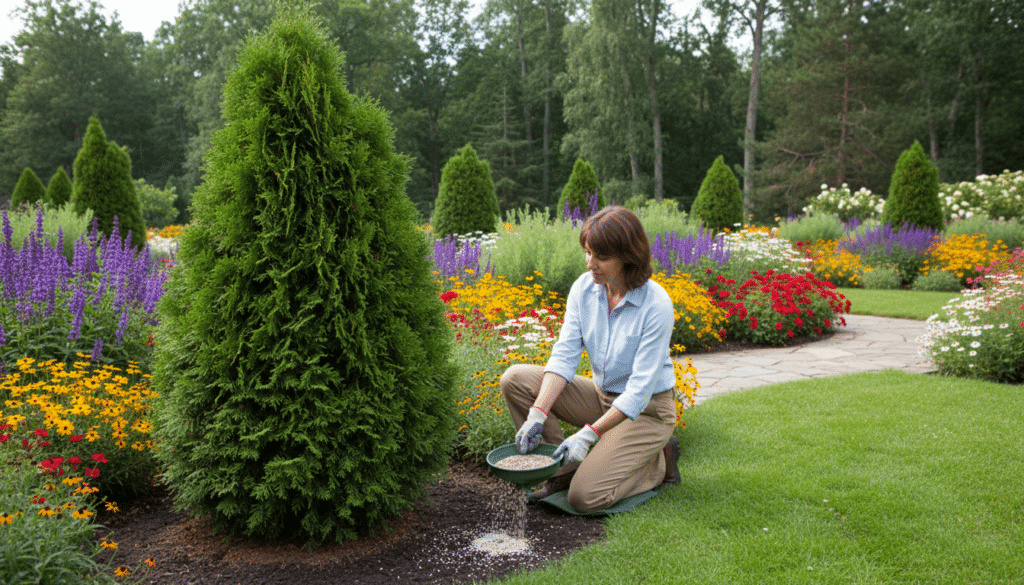
Mastering the art of arborvitae care begins with a methodical application of high-quality nutrients. Following a routine ensures your trees stay vibrant and strong throughout the changing seasons.
Step 1: Test Your Soil for Nutrients and pH Levels
You should start by testing your soil to determine its existing nutrient levels. Use a root probe to collect samples from the top 12 inches of the earth.
Submitting these samples to a state lab provides a professional soil analysis. Most state universities offer testing for specific plants to ensure you use the correct type of feed.
Step 2: Calculate the Correct Fertilizer Amount Based on Canopy Area
Calculate the correct amount of product based on the canopy area rather than the trunk size. Measure the distance to the outer branches to define the drip line.
Using this measurement prevents you from using too much fertilizer. Using an excessive dose can harm the plant instead of helping it grow.
Step 3: Prepare the Area and Moisten the Soil
Before you begin, check the moisture levels near the base of the trunk. Adding nutrients to drought-stressed plants increases the risk of damaging the roots.
If the ground is dry, perform some light watering until the soil is damp. This step ensures the tree is ready to absorb the minerals safely.
Step 4: Apply Fertilizer to the Root Zone Properly
Apply the appropriate amount of granular product evenly around the perimeter of the plant. Focus on the root zone that extends to the circumference of the branches.
Keep the product away from the trunk area to protect the sensitive bark. Ensure the root zone receives an even distribution for the best results.
Step 5: Water Thoroughly After Application
You must water the base of the tree thoroughly after the application. This action helps dissolve the granules and moves minerals deep into the roots.
Be sure to water the ground without soaking the foliage to avoid fungal issues. This keeps water where it is most effective for the plant.
Recognizing and Fixing Over-Fertilization Problems
Spotting signs of trouble is part of proper care. Even with a good plan, sometimes things go wrong and you must act quickly.
“A tree’s beauty is a reflection of the care hidden beneath the soil.”
Warning Signs of Too Much Fertilizer
Watch for yellowing leaves or stunted growth in your evergreens. You might also notice a white crust on the soil surface from excess salts.
Recovery Steps for Over-Fertilized Arborvitae
If you make a mistake while fertilizing, flush the ground with plenty of water. Stop all fertilization for a month to let the arborvitae recover and heal its burnt roots.
Prevention Tips to Avoid Future Problems
These helpful tips include following label directions precisely to avoid stress. Prevention tips help you maintain long-term plant health and keep your trees looking vibrant.
| Application Step | Action Required | Key Benefit |
|---|---|---|
| Preparation | Measure arborvitae canopy | Prevents fertilizer burn |
| Hydration | Pre-watering the ground | Protects the tree base |
| Feeding | Spread fertilizer evenly | Supports plant nutrition |
| Activation | Dissolve into roots | Boosts arborvitae vigor |
| Safety | Check plant foliage | Avoids fertilizer damage |
Conclusion
Achieving a lush, green hedge starts with a solid understanding of proper nourishment and care. You now have the essential knowledge to keep your arborvitae emerald green looking vibrant through expert arborvitae care practices. By applying fertilizer in the spring before new growth begins, you set the stage for success during the entire growing season.
Understanding the unique needs of your soil is vital for long-term success. Testing your soil provides the insights needed to choose a fertilizer with the specific nutrients your trees require. This balance ensures each tree receives every necessary nutrient to maintain dense foliage and strong leaves.
Proper fertilizer application does more than just boost growth. It supports long-term health, supplying the right nutrients to protect your arborvitae through the harsh winter. By matching the fertilizer to your specific soil type, you will see your arborvitae transform into a stunning landscape tree.
Your trees will reward your effort with a beautiful, healthy appearance. Take these tips and watch as proper nutrients create the thriving greenery you have always wanted.
