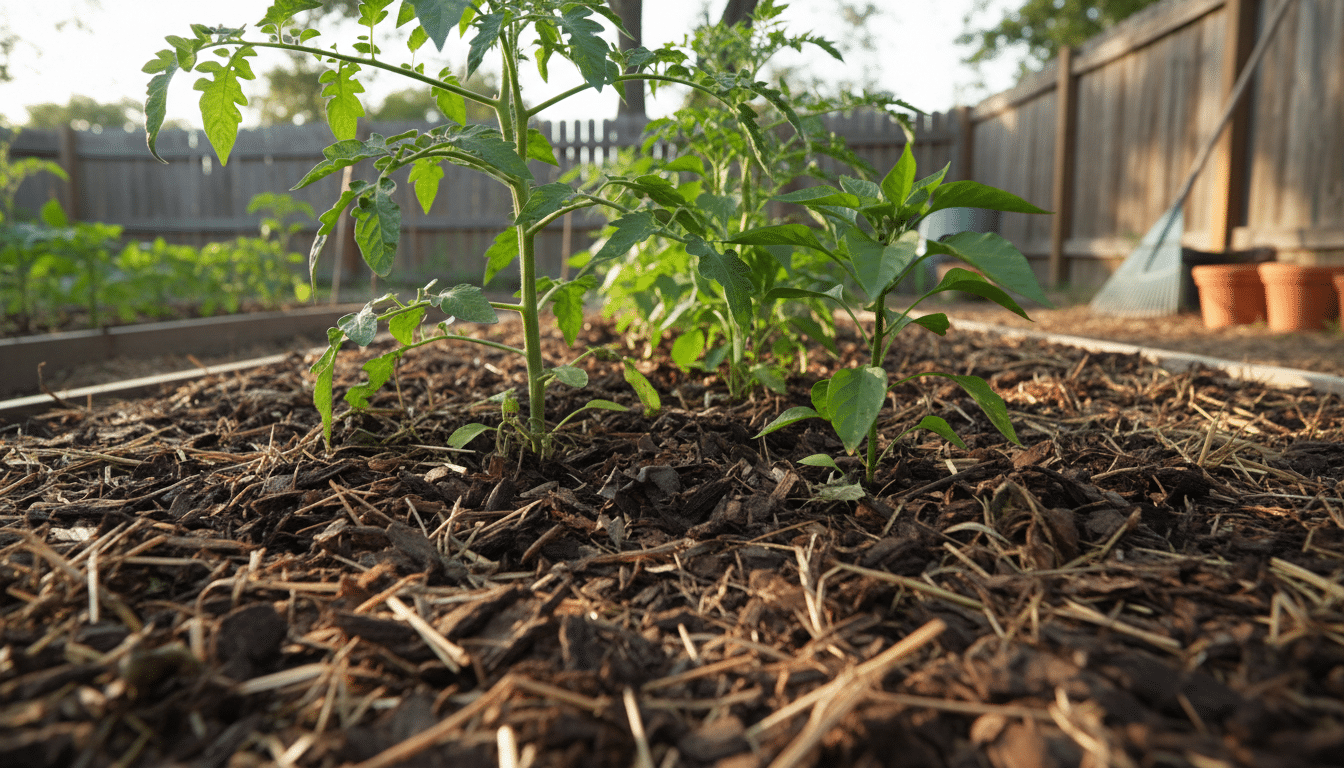
Have you ever wondered why certain backyards thrive while others struggle against the summer heat? The answer often involves a protective layer spread across your outdoor space. Mulching represents a vital part of successful gardening that saves you plenty of time and effort.
This material acts as a shield for your soil by locking in vital moisture. Whether you use organic wood chips or clean gravel, this practice moderates temperatures for your plants. It transforms a standard home yard into a professional and lush sanctuary.
This guide explains everything you need to understand regarding proper techniques. You will learn why these methods are essential for keeping plants healthy and strong. Using the right soil cover reduces erosion and helps your garden flourish throughout the year.
Key Takeaways
- Protection against moisture loss keeps roots hydrated during dry spells.
- Organic layers eventually break down and provide nutrients to the earth.
- Proper application helps maintain steady temperatures for delicate growth.
- Simple maintenance practices significantly reduce the time spent pulling weeds.
- Choosing high-quality materials ensures your greenery gets the best care.
- Clean surface coverings prevent the growth of competitive invasive species.
What Is Mulch and Why It Matters
Think of mulch as a protective layer of materials that you spread across the ground to support your outdoor space. While many see it as a finishing touch for a beautiful yard, it serves a much deeper purpose for your landscape. It acts as a shield between the elements and the earth below.
Understanding Mulch Basics
In your garden, you can choose from various options ranging from wood chips and compost to stones or landscape fabric. Organic choices eventually break down and enrich the soil, while inorganic types provide long-lasting coverage. Covering the surface helps you maintain a tidy look while providing essential protection for your plants.
The Role of Mulch in Garden Health
A healthy garden relies on what happens beneath the soil. When you apply mulch, you feed living microorganisms with vital nutrients. These tiny microbes break down the material and create a better soil structure.
This process prevents the earth from becoming too hard or packed down. Stronger soil structure allows air and water to reach the roots of your plants more easily. It transforms your garden into a thriving ecosystem from the bottom up.
How Mulch Mimics Nature
Nature rarely leaves the earth bare, and you can see this in forests where fallen leaves cover the floor. Using mulch mimics this natural cycle of protection and renewal. By adding these layers, you protect the soil from erosion and extreme weather just like a forest floor does.
Mulching is the most effective way to simulate the natural forest floor in a residential landscape, providing both protection and nutrition.
| Mulch Category | Common Examples | Primary Benefit |
|---|---|---|
| Organic | Wood chips, compost, straw | Improves soil nutrients |
| Inorganic | River rock, pea gravel | Long-term weed suppression |
| Natural Debris | Pine needles, fallen leaves | Cost-effective protection |
Key Benefits of Mulching Garden Beds
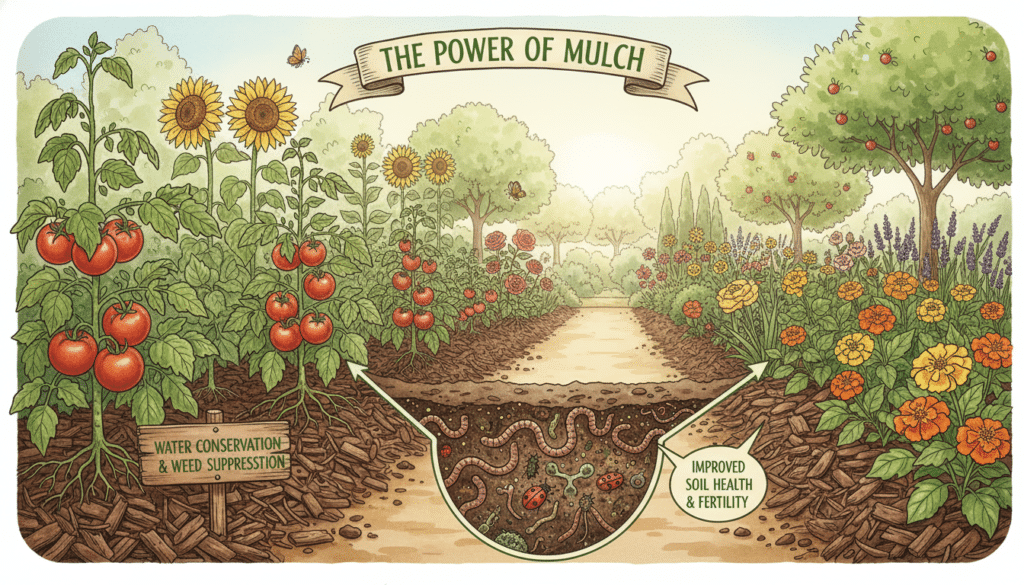
Adding a protective layer to your flower beds provides several essential advantages that keep your greenery thriving. You will save a significant amount of time and energy by understanding these key functions. This simple task transforms your outdoor space into a healthy garden.
Nature abhors a vacuum, and in the garden, that vacuum is bare soil.
Weed Suppression and Control
Nature hates bare ground and will quickly fill it with unwanted growth if the earth is exposed. By applying a thick layer, you block sunlight from reaching the tiny seeds of weeds. This process stops weed germination before it starts, effectively preventing weed seeds from taking over your beds.
Moisture Retention and Water Conservation
Keeping the earth covered is like putting a lid on a pot to stop evaporation. Your garden will retain moisture much longer, even during the hottest summer months. You will notice that the soil remains dark and crumbly while you use less water for irrigation.
Temperature Regulation and Soil Protection
Mulch acts as insulation for your landscape, shielding it from extreme weather shifts. It keeps the roots of your plants warmer during chilly nights and cooler during scorching afternoons. This regulation reduces stress and helps you conserve water while protecting the soil from erosion and heavy rain.
Disease Prevention and Soil Health Improvement
Bare soil allows rain to splash pathogens onto your foliage, which often leads to common diseases. Using a layer of mulch prevents this “splash-back” effect, protecting sensitive plants in your garden. Over time, this mulch breaks down to improve soil health and suppress more weeds.
| Advantage | Primary Function | Expected Result |
|---|---|---|
| Weed Control | Blocks light from weeds | Reduced gardening time |
| Hydration | Saves water loss | Consistent moisture levels |
| Health | Prevents diseases | Stronger, healthy plants |
| Protection | Organic mulch usage | Improved nutrient density |
Types of Mulch for Garden Beds
Choosing the best protective layer for your garden involves weighing the longevity of inorganic materials against the nutrient-rich benefits of organic options. You have a wide variety of mulches to choose from, each offering unique textures and colors for your outdoor space. Selecting the right one depends on your local climate and specific plant needs.
Organic Mulch Options
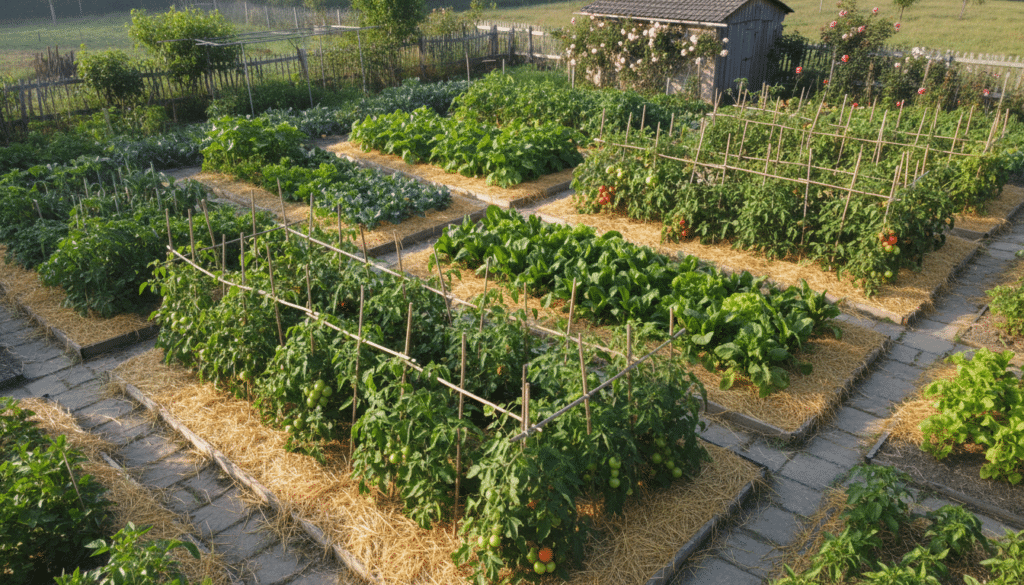
An organic mulch provides your soil with essential nutrients as it breaks down over time. These natural materials improve soil structure and encourage beneficial microbial activity in your garden. Most gardeners prefer these types because they create a healthy, living environment for roots to thrive.
Shredded Bark and Wood Chips
Shredded bark is a popular choice for flower beds because it is both functional and beautiful. Softwood bark resists compaction and stays in place for a long time, while hardwood options look great but decompose much faster. You should keep in mind that wood chips are better for pathways than for vegetable beds.
When high-carbon wood sits on the soil, it can temporarily tie up nitrogen that your plants need. If you use chips in your paths, they create a durable surface that lasts more than a year. Always choose aged products to ensure they don’t pull too much from your soil.
Straw and Hay Mulch
Many people use straw in vegetable gardens because it is inexpensive and keeps low-growing fruit off the dirt. It decomposes quickly, which means it adds plenty of organic matter back into the earth. Be sure to find weed-free sources to avoid accidentally planting unwanted seeds in your rows.
Shredded Leaves
Using leaves from your own yard is a fantastic way to recycle nutrients for free. Shredding them is essential because whole leaves can mat together and block water from reaching the roots. Once shredded, they provide a light, fluffy cover that helps your soil stay moist and cool.
Grass Clippings
Fresh grass clippings are rich in nitrogen and act as a fast-acting fertilizer for your plants. You must apply grass in thin layers to prevent it from turning into a smelly, slimy mess. Only use clippings from lawns that have not been treated with chemical weed killers.
Pine Needles and Natural Byproducts
Pine needles are excellent for acid-loving plants and tend to stay in place even on slopes. Other creative type options include coffee grounds, cardboard, or cocoa hulls. These unique materials can add a special look and scent to your landscape while suppressing weeds effectively.
Inorganic Mulch Options
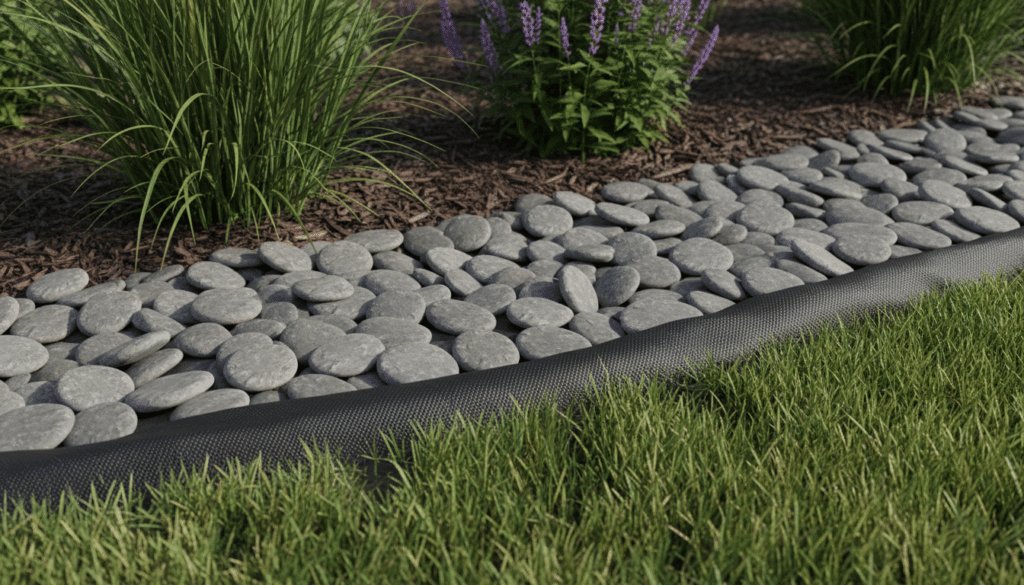
If you want a low-maintenance solution, inorganic mulch might be the best choice for you. These options do not break down, so you won’t need to replace them every season. They are perfect for permanent landscape features where you don’t plan on digging often.
Landscape Fabric
A landscape fabric acts as a physical barrier that smothers emerging weeds while allowing air and moisture to pass through. It is highly permeable and works best when you cover it with a decorative top layer. This type of barrier is perfect for under-gravel areas where you want long-term control.
Plastic Mulch
Black plastic is great for warming the soil in early spring, which helps heat-loving crops grow faster. However, it is not permeable, so you must plan your irrigation carefully underneath the sheet. Silver plastic can also reflect light up into the plants to deter certain pests.
Stone, Gravel, and Crushed Rock
Crushed stone and gravel provide a permanent and elegant look to any backyard design. While these stones are expensive up front, they never decompose and help keep the soil cool. Just remember that they are heavy and difficult to move if you decide to change your layout later.
How to Mulch Garden Beds: Step-by-Step Guide
You can easily boost your garden’s health by following a clear, step-by-step process for covering your soil. Learning how to mulch garden beds takes the guesswork out of maintenance and gives your landscape a polished, professional look. This process transforms your outdoor space into a thriving environment where plants can truly flourish.
Step 1: Choose the Right Time to Mulch
Timing is everything when it involves protecting your backyard. While you can perform this task at any time, specific seasons offer unique benefits for your plants. You must consider the temperature of the ground before you start spreading your materials.
Spring Application Timing
Ideally, you should apply mulch in the spring after the soil has warmed up. Doing this before weeds emerge gives you a significant advantage in the battle for your garden. If you act before the ground thaws, you might accidentally trap cold temperatures in the earth, which delays early growth.
Fall and Winter Application Timing
Late autumn is another popular window for mulching. This protects the root systems of your perennials from the harsh “freeze-thaw” cycles of winter. It also keeps the soil in place during heavy rains or snowmelt.
Step 2: Prepare Your Garden Bed
Success begins with a clean slate. You cannot simply throw material over a messy bed and expect great results. Proper preparation ensures that your mulch works as hard as possible for your plants.
Remove Weeds and Debris
Pull out every weed you see, including the roots. Removing unwanted growth now prevents them from pushing through your new cover later. Clear away fallen branches or large rocks that might interfere with an even application.
Level the Soil Surface
Use a sturdy rake to smooth out the surface of the soil. This creates a flat foundation for your protective layer. A level surface prevents the material from sliding away during heavy watering or storms.
Optional: Install Landscape Fabric or Cardboard
For extra protection, consider laying down permeable landscape fabric or thoroughly wet cardboard. The cardboard is a fantastic organic choice because it eventually breaks down. This method helps exhaust any remaining weeds that are hiding under the surface.
Step 3: Select and Source Your Mulch
Not all materials are created equal. Finding the right type for your specific needs is the secret to a low-maintenance yard.
Choosing the Right Mulch Type
Consider the needs of your specific plants and your local climate. Wood chips are great for paths, while shredded bark works wonders in flower beds. Always choose a material that complements the aesthetic of your home.
Finding Quality Mulch Sources
Look for local nurseries or reputable suppliers. Quality is vital to ensure you do not introduce herbicides or invasive seeds into your yard. Buying in bulk is often more cost-effective for larger projects.
| Material Type | Best Use | Typical Depth |
|---|---|---|
| Shredded Bark | Sloped areas | 2-3 inches |
| Pine Needles | Acid-loving plants | 3 inches |
| Straw | Vegetable gardens | 4 inches |
Step 4: Determine the Proper Mulch Depth
Knowing how much mulch to use is a common sticking point for many homeowners. Too little won’t stop weeds, but too much can actually suffocate your plants.
Standard Depth Guidelines
For most organic materials, a 2-3 inch layer is the gold standard. If you are using very fine materials, you can use a slightly thinner application. This depth provides enough coverage to retain moisture without blocking oxygen.
Calculating Mulch Quantity Needed
Use a mulch calculator to avoid overbuying. A helpful rule of thumb is that 1 cubic yard equals 27 cubic feet. Measure your square footage and multiply it by your desired depth to find your total.
Healthy soil is the foundation of all life on Earth, and protecting it is our most important job as gardeners.
Step 5: Apply Mulch Correctly
Once you have your supplies, it is time to get to work. Spreading the material correctly ensures that your garden looks beautiful and stays healthy throughout the season.
Spreading Techniques
When you apply mulch, use a pitchfork or your hands to distribute it evenly. Start from the back of the bed and work your way toward the front. This prevents you from stepping on the freshly laid material.
Around Seedlings vs. Seeds
For a young plant, create a small hole in the material and leave a gap around the stem. If you are planting seeds, clear all material from the area first. Wait for germination and a few weeks of growth before you put the cover back around the new seeds.
Step 6: Maintain Proper Spacing Around Plants
The final step is the most important for the long-term health of your trees and shrubs. Proper spacing prevents moisture from rotting the base of your plants.
Avoiding Mulch Volcanoes
Never pile material against the trunks of woody plants. This common mistake, known as a “volcano,” creates a damp environment that attracts pests. It is the fastest way to cause fungal issues in your landscape.
Protecting Plant Crowns and Tree Trunks
Keep your materials at least 6 to 12 inches away from tree trunks. This allows the bark to “breathe” and stay dry. Proper spacing ensures that your hard work results in a vibrant, flourishing outdoor space.
Seasonal Mulching Guidelines
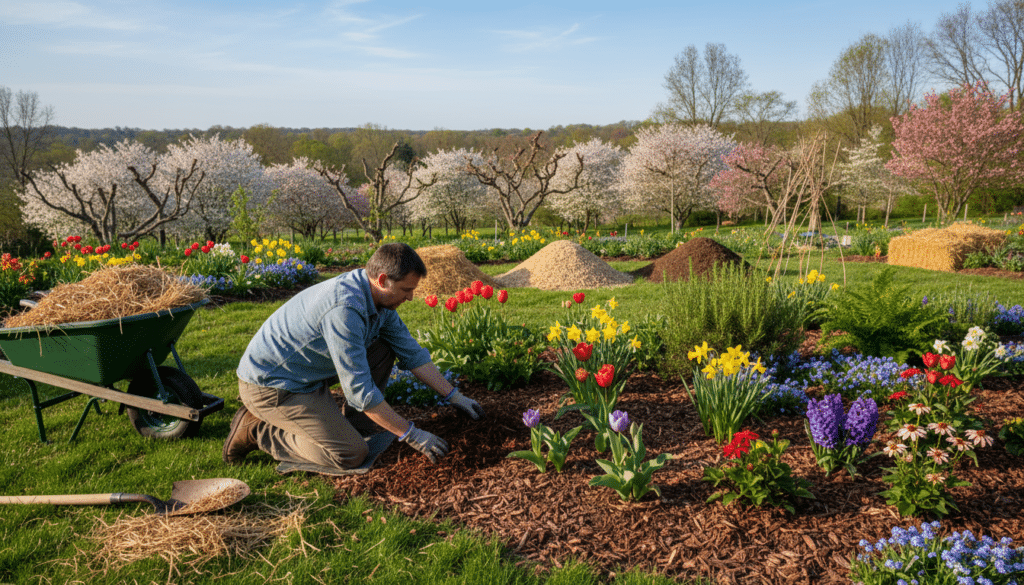
Timing is everything when it comes to keeping your soil healthy throughout the entire year. Each season brings unique challenges to your outdoor space, and your gardening routine must adapt to these changes. By following a consistent schedule, you ensure your plants stay protected from extreme weather.
Successful gardening requires paying attention to the weather rather than just the calendar. This proactive approach helps you maintain the perfect environment for your garden to flourish. This is a critical time for active management of your outdoor area.
Spring Mulching Strategy
As the weather warms, your focus shifts toward growth and preparation. This transition period sets the tone for the rest of your growing year.
When to Remove Winter Mulch
You should remove heavy layers of winter protection once the danger of a hard frost has finally passed. Doing this allows the ground to warm up naturally and ensures that new growth can emerge without any physical barriers.
If you leave a thick protective layer on too long, you might accidentally inhibit the development of early spring sprouts. Clearing the area allows the sun to hit the dirt directly, which wakes up dormant roots.
Preparing Beds for Planting Season
Wait until the spring rains have settled and the earth has warmed before you apply fresh material to your beds. Laying down mulch too early on cold, wet dirt can trap the cold and slow down your plant development.
Fall and Winter Mulching Approach
When the temperature drops, your mulching strategy must pivot toward insulation and dormancy. Proper timing during this cold season prevents your greenery from reacting to temporary warm spells.
Protecting Plants from Freeze-Thaw Cycles
Avoid applying fall layers too early in the time frame of autumn. If the earth stays warm for too long, your plants might continue to grow, preventing them from hardening off for the coming winter.
It is best to wait until after several hard freezes—often around late November—to ensure the earth is cold and hard. This mulching technique helps the earth cool down slowly, which properly prepares your perennials for dormancy.
Proper Thickness for Winter Protection
Apply about 3 to 4 inches of winter mulch to keep the frozen earth completely covered. This insulation helps your vegetation remain dormant regardless of sudden temperature swings or warm spells.
For tender perennials or new additions, keeping a thick layer over bare soil is essential for survival. This protective barrier prevents the roots from being pushed out of the earth by constant freezing and thawing.
Year-Round Mulch Maintenance
Consistency is the secret to a thriving landscape throughout every year. You should regularly check the depth of your layers and consider replacing mulch as it begins to decompose and merge with the dirt.
“The soil is the great connector of lives, the source and destination of all.”
As organic material rots down, it incorporates into the earth and feeds your plants naturally. By keeping your garden covered consistently, you maintain a healthy ecosystem that supports beneficial insects and microbes.
| Season Phase | Primary Goal | Recommended Depth | Key Indicator |
|---|---|---|---|
| Spring Start | Growth Activation | Remove excess | After hard frost ends |
| Summer Peak | Moisture Retention | 2-3 Inches | After soil warms up |
| Fall Transition | Dormancy Prep | Wait for cold | After several freezes |
| Winter Protection | Root Insulation | 3-4 Inches | Frozen ground state |
Best Practices and Common Mistakes to Avoid
Learning how to mulch properly saves your plants from common errors that many gardeners make. You want your backyard to thrive without facing hidden risks from poor application methods. Following a few simple rules will keep your landscape healthy and beautiful.
Essential Techniques for Success
Good habits ensure your garden stays healthy throughout the entire year. By focusing on quality and depth, you create a perfect environment for growth.
Dos: What You Should Always Do
Always aim for a layer about two to three inches deep in your beds. You should see no soil through the layer when you finish. This way, you prevent weed growth in various areas of your yard.
Make sure to choose the right type of material from a trusted source. High-quality mulch provides the best protection for your root systems. Check your soil moisture often to ensure the layer is doing its job.
Don’ts: What to Avoid
Do not apply fall layers at the wrong time. You should wait until the first hard freeze hits your areas. Avoid materials that might contain weed seeds or harsh chemicals.
Frequent Oversights to Prevent
Even with good intent, some errors can harm your plants and cause stress. Recognizing these mulching mistakes early helps you maintain a vibrant outdoor space.
Over-Mulching and Its Consequences
Applying too much mulch can actually suffocate your plant roots. This thick layer blocks air and water from reaching the ground. Your garden needs to breathe to stay strong and resist diseases.
Using the Wrong Mulch Type
Fresh wood chips can sometimes steal nitrogen from the ground as they break down. If you use this material, you must add a nitrogen-rich fertilizer. Always ensure your mulch does not come from animals grazing on herbicide-treated land.
Improper Placement Issues
Never pile mulch around the trunks of trees or shrubs. This “volcano” placement leads to bark rot and attracts pests like rodents. Keep the material at least six inches away from the base of your plants.
Maintain water levels in the soil by using the right mulch around perennials. This protective barrier works best when it stays away from the plant crowns. Healthy plants need enough space to grow without being buried.
“The best mulch is the one that mimics the forest floor while respecting the needs of the specific plant it protects.”
| Action | Why It Matters | Proper Method |
|---|---|---|
| Depth Control | Prevents root suffocation | Keep layer 2-3 inches thick |
| Trunk Spacing | Avoids rot and pests | Leave a 6-12 inch gap |
| Sourcing | Prevents chemical damage | Use herbicide-free materials |
| Timing | Protects perennials | Apply after the first freeze |
Conclusion
With these expert tips in hand, you can transform your home garden into a thriving landscape. You have learned how to apply mulch correctly to protect your plants and suppress every weed that grows. Using materials like wood chips, bark, straw, and grass makes gardening easier for your home.
Adding an organic mulch layer to the surface of your beds helps retain moisture and regulates temperatures. This guide showed you how to prepare your yard for the winter and when it is the right time for application. You now know how much mulch need to be spread to keep your seeds safe and your soil healthy in your garden.
Using shredded leaves or recycled wood protects your yard every year. These various mulches reduce your watering chores and stop weeds from taking over your garden. Choosing a natural mulch is the best way to handle your soil and yard while improving your home.
Spread your grass clippings on the surface of the soil to help your plants grow. Knowing how much mulch need to be used helps your yard look great and stay professional. Use this guide to manage weeds and reduce watering throughout the season.
Your garden will thrive all year long because you used quality leaves and mulches. This specific mulch creates a protective barrier for your home project. Always keep your mulch at the right depth for your garden. Finally, enjoy your gardening and maintain your mulch for better results!
Successful mulching is the secret to a beautiful, low-maintenance garden that grows better every year.
| Material Selection | Primary Garden Benefit | Ideal Location |
|---|---|---|
| Shredded Bark | Long-term soil health | Flower beds |
| Pine Needles | Natural acidity boost | Acid-loving plants |
| Pea Gravel | Permanent weed barrier | Modern walkways |
