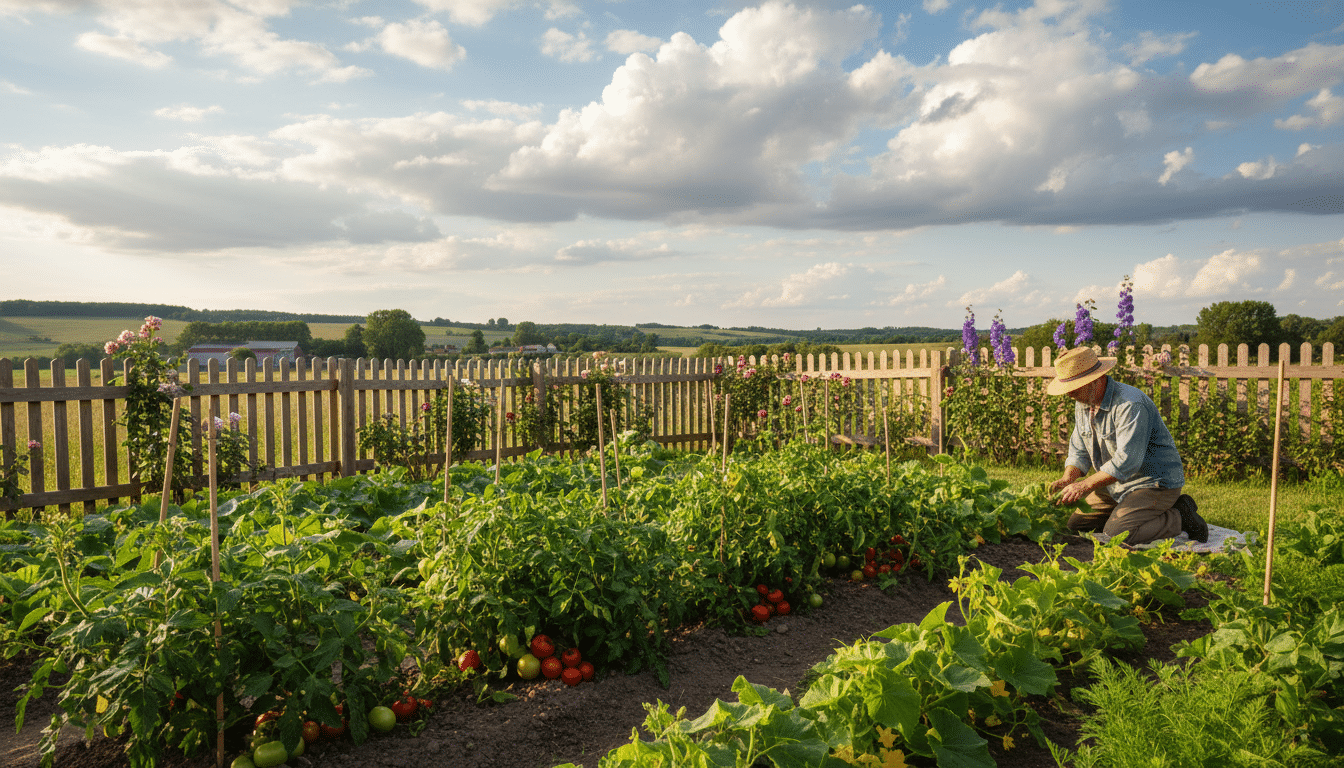
Welcome to the exciting journey of producing your own food. Have you ever wondered if that tiny patch of sun could actually feed your family?
Creating your own vegetable garden might feel like this big project, but it is achievable. This comprehensive guide helps you navigate gardening without experiencing the usual stress.
Most beginners fail because they plant too much or pick difficult plants. By establishing this plan, you learn managing soil and sun exposure like the pros.
Your garden will soon become the source of healthy vegetables that you grew yourself. This journey connects you with the seasons and offers fresh produce.
It is time for turning your backyard into the thriving garden where healthy plants grow. Your garden brings joy, and with this gardening guide, you can enjoy vegetables harvested from your productive garden.
Key Takeaways
- Select one location with six hours of direct sunlight.
- Improve soil quality by adding organic compost.
- Pick beginner-friendly crops like lettuce or peppers.
- Water plants consistently based on local weather patterns.
- Keep the area manageable by beginning with small spots.
- Check those crops daily for fixing problems early.
Why Starting Small Is the Secret to Gardening Success
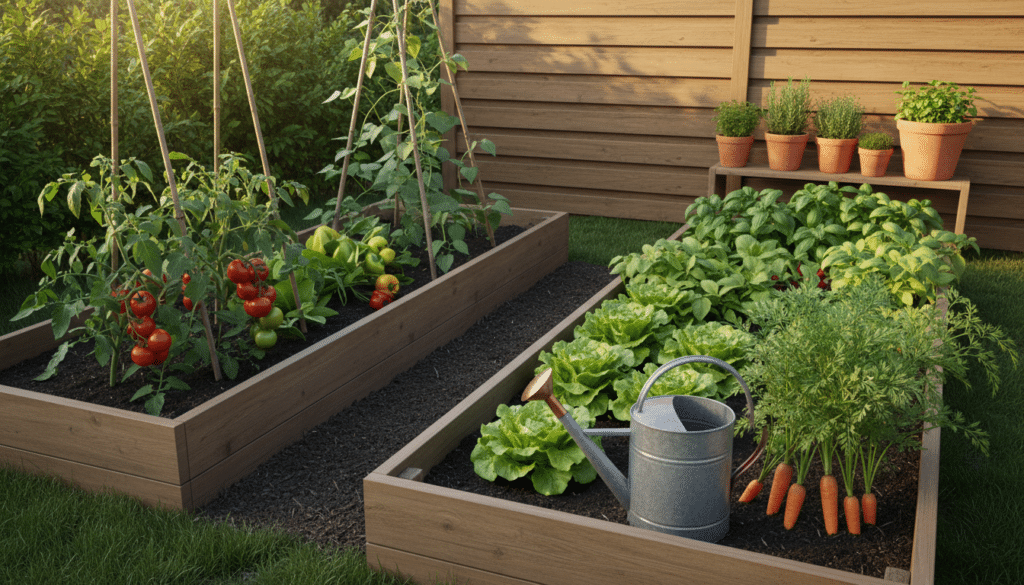
You might feel tempted to dig up your whole backyard, but starting small is actually the smartest move. Many gardeners get over-excited and plant way too much during their first season. This often leads to burnout when summer heat arrives and weeds take over.
It is much better to be proud of a small, lush garden than to feel frustrated by a large, messy one. Experienced gardeners suggest starting with a limited space so you can learn the ropes without feeling overwhelmed. You need to be honest about the time you can truly spend weeding and watering each week.
For an in-ground garden, a 10×10-foot area is a perfect manageable size for your first try. If you prefer raised beds, a 4×4-foot or 4×8-foot frame works wonders for beginners. A 12×24-foot plot is the absolute maximum a first-timer should ever consider.
Starting small helps you build a strong foundation of knowledge. You can always expand your rows in future years once you have mastered the basics. Success in a tiny plot will keep you excited to grow even more food later.
One of the most common beginning gardener mistakes is planting too much too soon. It’s better to be proud of a small garden than be frustrated by a big garden.
| Planting Method | Ideal Starter Size | Difficulty Level |
|---|---|---|
| In-Ground Plot | 10 x 10 feet | Easy |
| Raised Bed | 4 x 4 feet | Very Easy |
| Large Starter | 12 x 24 feet | Moderate |
Step 1: Choose the Perfect Location for Your Vegetable Garden
Finding the ideal home for your vegetables will make the difference between a bountiful harvest and a barren plot. Choosing a poor spot leads to weak plants and pest problems that no amount of fertilizer can fix. You want a garden that is easy to reach and naturally supportive of plant life.
Choosing the right spot is one of the most important decisions you’ll make. A poor location leads to weak plants and disappointing harvests.
Sunlight Requirements: 6-8 Hours Minimum
Most vegetables crave the sun to grow big and strong. You should aim for a spot that receives at least 6 to 8 hours of direct sunlight every single day. If you live in a hot climate, a little afternoon shade might help, but most crops need that intense energy to produce fruit.
Keep in mind that leafy greens like spinach or lettuce can handle partial shade. When planning your space during the winter, remember that bare trees will soon grow leaves. These leaves can block the sunlight your garden needs during the peak summer months.
Observe your potential plot throughout the day to track direct sun exposure during various hours. The southern side of a yard is typically warmer and brighter in the United States. To maximize growth, ensure your plants get enough sunlight to thrive during the long daylight hours.
Drainage and Soil Quality Considerations
Healthy soil is the backbone of your vegetable plot. You must avoid low-lying areas where water pools after a heavy rainstorm. Consistently wet soil often leads to root rot and fungal diseases that kill young plants.
Look for a flat area with nutrient-rich earth that doesn’t feel like hard clay or loose sand. If your yard has poor drainage, consider building raised beds to keep roots high and dry. Starting with high-quality soil means less work for you in the long run.
| Location Feature | Best Condition | Why It Matters |
|---|---|---|
| Terrain | Flat or Level | Prevents erosion and water runoff |
| Wind | Sheltered | Protects tall plants like tomatoes |
| Microclimate | Warm South Side | Extends the growing season |
Accessibility and Water Source Proximity
You will be visiting your garden daily for watering, weeding, and harvesting. If the plot is too far from your house, you might forget to check on it. Choosing a spot close to a water source will make your maintenance much easier.
Check for unique microclimates on your property, such as a warm brick wall or a windy corner. A southern-facing side is usually warmer, while the northern side might protect plants from the harsh mid-day sun. Keeping your garden nearby ensures you can enjoy your fresh vegetables at the peak of their flavor.
When selecting your spot, consider these final factors:
- Proximity to your kitchen for quick harvesting while cooking.
- Protection from strong winds that can break delicate stems.
- Distance from large trees that compete for nutrients and sun.
- Ease of access for garden carts or heavy bags of mulch.
By taking the time to pick a prime location, you set yourself up for a joyful and productive growing season. A well-placed garden flourishes with much less effort from you.
Step 2: Understand Your Climate and Planting Timing
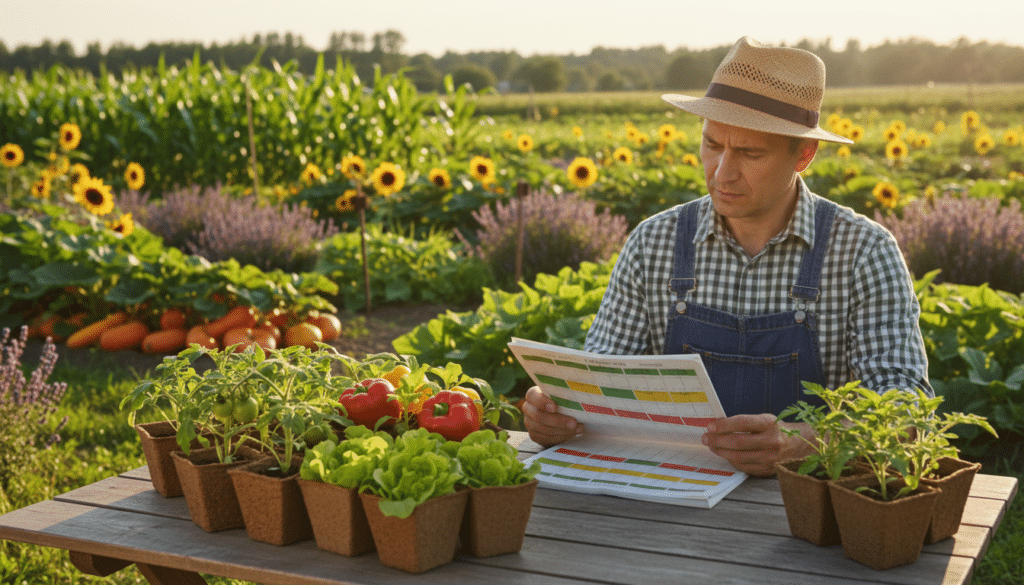
To grow a lush garden, you must first master the rhythmic cycle of your local frost dates. Knowing your environment ensures you do not lose tender vegetables to a sudden cold snap. This knowledge helps you align your efforts with the natural calendar.
Finding Your First and Last Frost Dates
Before planting, you must identify your average last spring frost date. This specific day tells you when warm-weather crops like tomatoes can safely move outdoors. You can find these dates by entering your zip code into online calculators.
The first fall frost marks the end of the summer growing window. However, the most reliable method is keeping a personal garden journal. Tracking these dates each year helps you build a precise calendar for each season.
Cool-Season vs Warm-Season Vegetables Explained
Understanding the difference between hardy and tender plants is vital for a productive harvest. Cool-season crops, such as lettuce and broccoli, thrive in early spring. They can withstand light frost and often taste better after a chill.
Warm-season varieties like peppers and cucumbers require warm soil to develop properly. These plants will suffer damage or die if exposed to a late frost. You must wait until the threat of freezing weather has passed before moving them outside.
Planning for Multiple Harvests Throughout the Year
Many beginners only focus on a summer garden, but the growing window is longer than you think. Strategic gardeners know they can get two or even three harvests in one year. By using succession planting, you maximize your space for fresh vegetables.
Knowing your dates helps you when to harvest vegetables a complete and prepare for fall crops. You can plan your fall frost protection to extend your gardening time deep into the autumn. This approach ensures you have fresh food for many months.
| Vegetable Type | Example Varieties | Best Planting Window | Temperature Tolerance |
|---|---|---|---|
| Cool-Season | Peas, Kale, Spinach | Early Spring / Late Fall | High (Tolerates Frost) |
| Warm-Season | Tomatoes, Peppers | Late Spring / Summer | Low (Needs Warmth) |
| Succession Crops | Radishes, Lettuce | Every 2-3 Weeks | Varies by Variety |
Step 3: Decide on Your Garden Type and Ideal Size
Your gardening journey truly takes shape when you determine the size and style of your growing area. Selecting the right setup is essential for your long-term enjoyment and harvest productivity. You need to balance your physical abilities, budget, and the specific conditions of your site to ensure a successful start for every raised bed or plot.
Raised Beds for Beginners
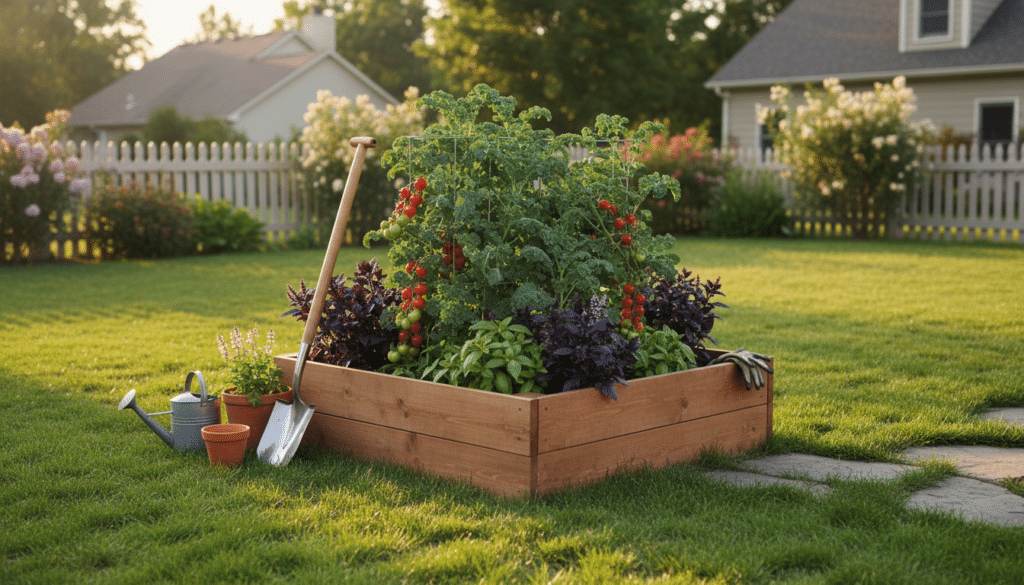
A quality raised bed offers incredible control over your growing environment. Since these raised beds sit above the ground, they provide superior drainage and warm up much faster during the spring. This setup is an excellent option if your existing ground is rocky or contaminated with poor soil.
You can bring in high-quality soil to ensure your plants have the best nutrients available. Taller raised beds, specifically those over 3 feet high, are perfect for older gardeners. These taller beds allow you to sit and tend your plants without bending over or hurting your back.
Keep in mind that soil for raised beds can be an extra cost. To fill the beds more affordably, you can use Hugelkultur practices by placing logs and branches at the very bottom. However, remember that these beds get hotter in the summer and may require more frequent watering to stay healthy.
In-Ground Gardens: The Traditional Approach
If you have decent soil and a tight budget, traditional gardens in the ground are the way to go. This method requires less upfront investment because you do not need to buy lumber or heavy building materials. A 10×10-foot in-ground garden is a manageable garden size that gives you 100 square feet of planting room.
This traditional garden style works best if you have a large, flat area with good natural drainage. You can focus on growing three to five different vegetables while you learn the ropes. For a simple raised bed alternative, you can simply mound the soil, though a standard bed frame usually looks neater.
Container Gardening for Small Spaces
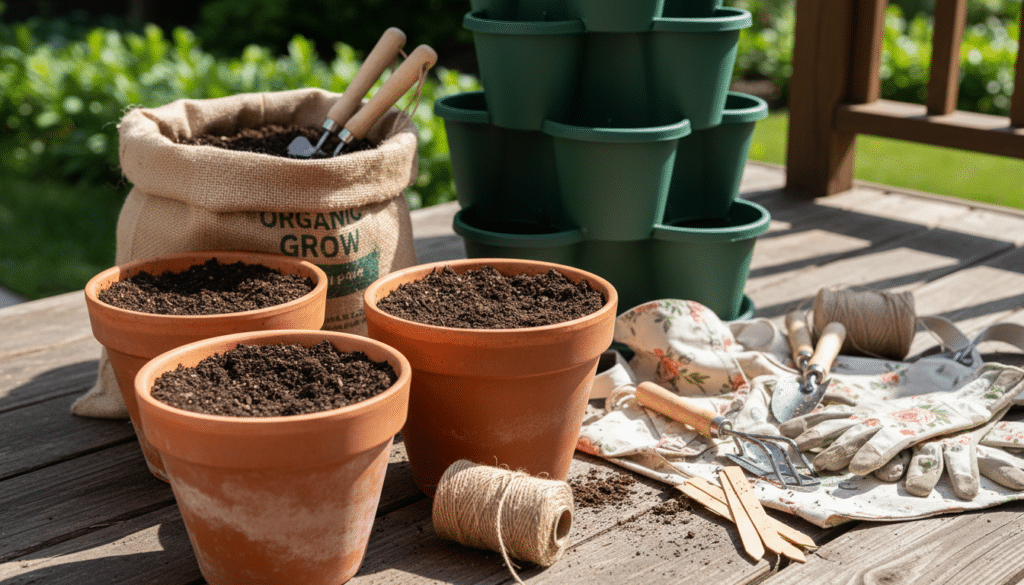
For those with limited space, using containers is a fantastic and versatile solution. You can move containers around your patio or balcony to “chase the sun” as the seasons change. This flexibility is perfect for renters or anyone with a small balcony space.
A GreenStalk Vertical Planter is a great choice for sunny sidewalks or small porches. Many vegetables thrive in containers as long as they receive consistent water and plenty of light. It is one of the easiest ways to start your dream garden without a big commitment.
Recommended Garden Sizes for First-Time Gardeners
The biggest secret to success is to start small with your beginner gardens. A 4×4-foot raised bed or a 4×8-foot bed is the perfect starting bed size for any newcomer. If you choose to go bigger, a 12×24-foot area is the absolute maximum you should consider for your first year.
Plan your pathways every 4 feet so you can reach the center of beds without stepping on the dirt. Keeping the center of the bed within arm’s reach ensures you can weed and harvest easily. Proper spacing for beds keeps your soil loose and healthy for years of productive growing.
Step 4: How to Start a Vegetable Garden from Scratch with Proper Soil Preparation
Your journey to a bounty of fresh vegetables relies heavily on how you treat your soil today. Healthy soil serves as the absolute foundation for a productive garden. Most plant problems actually trace back to poor soil quality, making this your most vital task.
Test Your Soil pH and Nutrient Levels
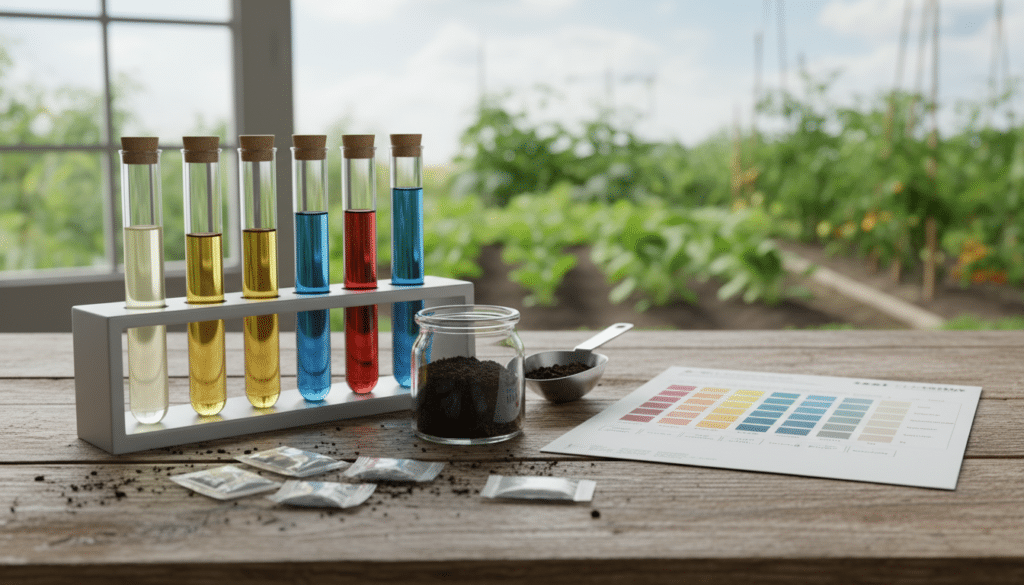
Before you dig into the ground, you should understand your soil chemistry. A simple test identifies your soil pH and nutrient levels easily. Most local county extension offices offer a soil test for free or at a very low cost.
You can also look at the color of your soil for quick clues. If the soil looks red, gray, or sandy, it likely lacks the food your plants need. Dark brown or black soil usually contains the best nutrients for growing.
A soil test helps you avoid common nutrient imbalances. For instance, a soil low in nitrogen leads to tiny plants with yellow leaves. However, too much nitrogen in the soil creates lots of leaves but no actual vegetables.
Add Compost and Organic Matter
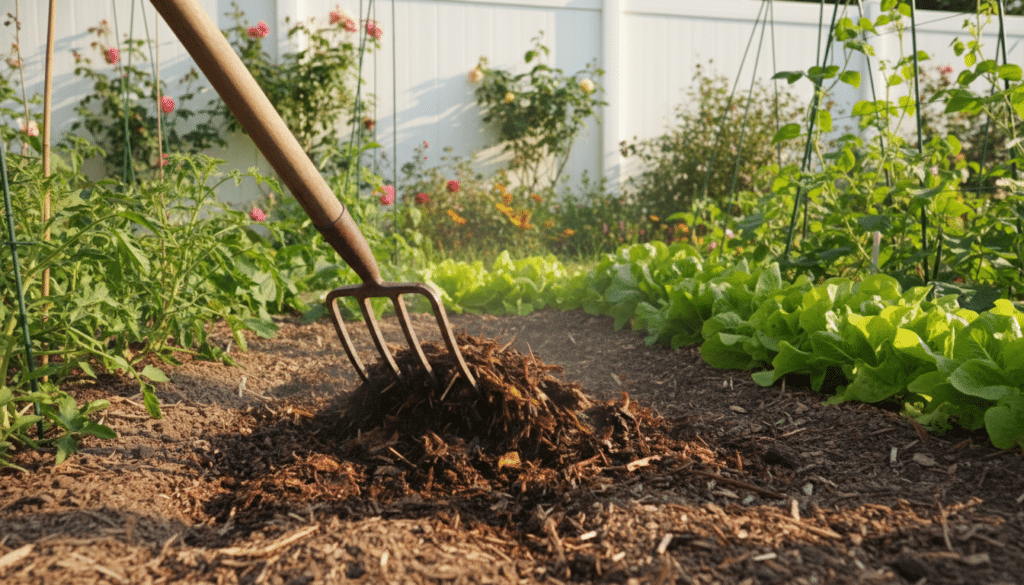
Mixing in organic compost is the best way to fix your garden soil. This organic matter improves the soil structure and helps with water drainage. It also feeds the tiny microbes that keep your soil alive and healthy.
You can also use aged manure to boost your soil quality. Never put fresh manure on the ground unless it comes from a rabbit. Fresh manure is too strong and will burn the roots in the soil. Always let manure age for six months before adding it to your soil.
Building Healthy Soil Year After Year
You must plan to improve your soil every single year. Building great soil is a continuous process that gets better over time. You can use garden soil techniques like sheet mulching to add layers of nutrients.
This long-term strategy ensures your soil stays rich and fertile. As the soil matures, it will require fewer external inputs from you. Your harvest will become more impressive every year as the soil environment thrives.
Step 5: Select the Best Vegetables for Your First Garden
Selecting the right varieties is where your garden truly comes to life. You want to choose crops that are both productive and forgiving for a first-timer. By focusing on the right mix, you will enjoy a bountiful harvest without unnecessary stress. This step is about matching your personal tastes with reliable growth habits.
Top 10 Easiest Vegetables for Beginners to Grow
Start your journey with vegetables that are known for their resilience. Our list of the ten easiest vegetables includes lettuce, green beans, radishes, and tomatoes. These varieties handle minor mistakes well and provide plenty of food for your table.
You should also consider adding zucchini, peppers, beets, and carrots to your plot. Leafy greens like kale or spinach and sweet peas round out the list. These specific crops are highly productive and will keep you motivated as you see them thrive daily.
Grow What You Actually Eat and Buy
The best vegetable to plant is always the one your family already enjoys during dinner. Review your weekly grocery list to identify which vegetables you purchase most frequently. Growing your own food saves money and offers a superior taste that stores cannot match.
Homegrown lettuce and vine-ripened tomatoes are often much more flavorful than produce shipped from far away. Be careful not to overplant even your favorite vegetable variety. A few well-tended plants will always produce more than a large, neglected patch of crops.
Seeds vs Seedlings: When to Use Each
Some crops grow best when you sow seeds directly into the soil. This method works perfectly for beans, carrots, and radishes. Using heirloom seeds allows you to grow unique varieties that aren’t available in local supermarkets.
For other plants, buying seedlings is a much smarter move for a beginner. Using young plants for tomatoes or peppers helps you skip the tricky germination phase entirely. This ensures every spot in your vegetable garden is filled with a healthy, growing plant.
Investing in high-quality seeds and healthy seedlings pays off when harvest time arrives. Starting with strong genetics means your plants will have better resistance to local pests. Every vegetable you harvest will be a testament to your careful selection and planning.
Step 6: Gather Your Essential Gardening Tools
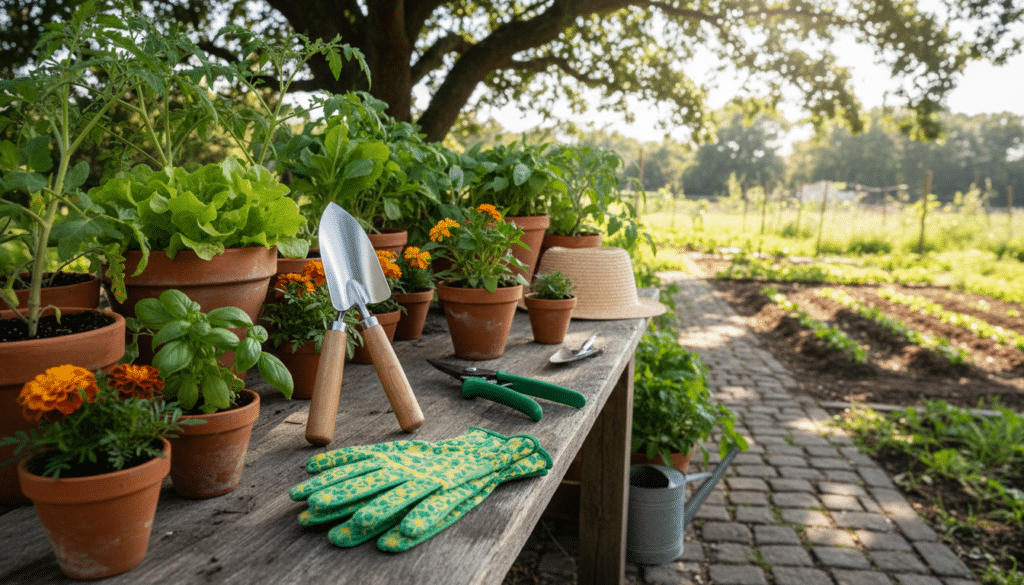
Starting your vegetable garden doesn’t require a huge investment in expensive equipment or fancy gadgets. Beginning gardeners only need a few essential, versatile items to plant, maintain, and harvest successfully throughout the growing season.
By focusing on quality over quantity, you will save money and storage space. You can always add specialized tools as your skills and garden plot expand over the coming years. High-quality construction ensures your gear lasts for many seasons of use.
Must-Have Tools for Every Beginning Gardener
Every starter kit needs a sturdy garden trowel for digging planting holes and transplanting seedlings. You should also grab hand pruners for harvesting your crops and trimming back stray stems. These simple items make daily maintenance much easier for you.
Consistent irrigation is vital, so invest in a quality water hose or a balanced watering can. Protect your hands from scratches and blisters with a pair of durable gardening gloves that fit comfortably. A garden fork or spade is also essential for loosening soil and mixing in organic compost.
Look for a small hand shovel with depth markers to ensure you plant seeds at the correct height for gardening success. Long-handled shovels are also excellent for reducing back strain when you need to move larger amounts of soil or mulch.
Nice-to-Have Tools You Can Add Later
A garden hoe is one of the most useful tools for managing your plot during the hot summer months. It allows you to quickly scrape the soil surface to cut down weeds before they establish deep roots. This proactive approach keeps your garden bed looking tidy and productive.
Using a hoe effectively will save you a massive amount of time compared to hand-pulling every individual plant. It is also a great tool for redistributing mulch that has moved around your water lines. Keeping mulch even helps retain moisture and protects plant roots.
If you are building a new in-ground bed, a rototiller can help, but you don’t need to buy one. Many people borrow or rent these tools for initial prep. You can also use no-till methods to suppress weeds naturally by building your garden directly on top of the ground.
Step 7: Plant Your Garden with Strategic Layout and Timing
Mapping out your garden before you touch the soil is the best way to ensure a bountiful harvest. You must coordinate your planting schedule with the local weather to give each plant the best start. This step combines art and science to make your garden thrive from the very first day.
Create Your Garden Layout Plan
Always place tall crops on the north side of your garden. This way, they do not shade shorter plants during the hot afternoon sun. This layout keeps sun-loving vegetables happy all day long.
Cool-season crops like kale prefer the early spring or late fall weather. Warm-season favorites like peppers must wait until the soil is cozy. Strategic mapping prevents your garden from becoming overcrowded too quickly.
Use Succession Planting for Continuous Harvests
Succession planting is a smart strategy to extend your harvest. Instead of one big crop that all arrives at once, plant small amounts every two weeks. This keeps your kitchen supplied with fresh greens all summer.
Check the “days to maturity” on your seed packets for guidance. This seed information helps you plan when to plant more lettuce seeds or green beans. Staggering your seeds ensures you never have a gap in production.
Grow Vertically to Maximize Your Space
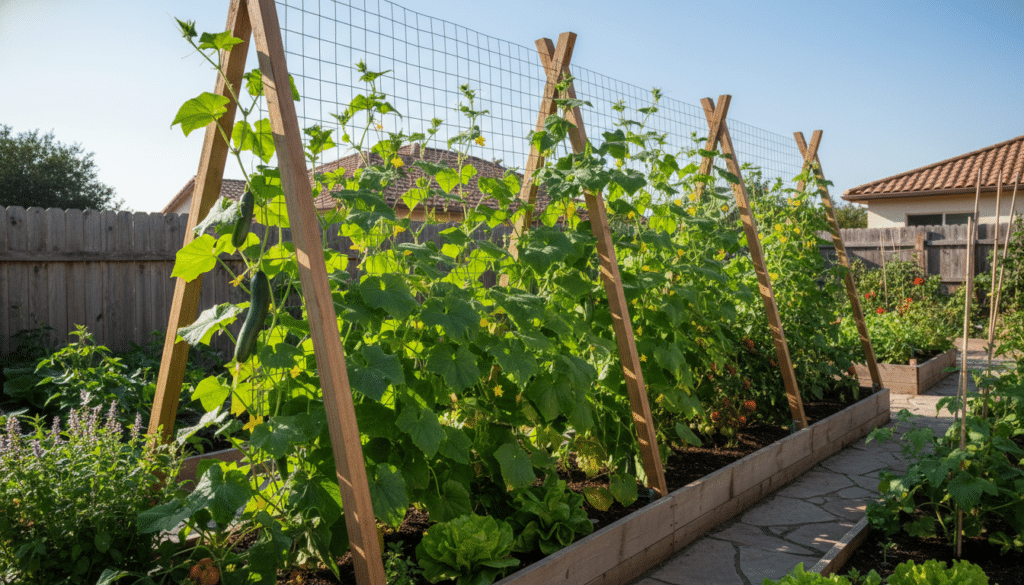
Using vegetable garden trellis systems adds space for vining plants like cucumbers and peas. Varieties like Diva and Boothby’s Blonde cucumbers thrive on cattle panels or sturdy arches. These structures add visual interest to your garden beds.
Incorporate flowers like marigolds to discourage pests naturally. Climbing flowers such as Nasturtiums also add vibrant color to the vertical layout. Vertical growing makes harvesting much easier on your back since the fruit is at eye level.
Proper Spacing and Planting Depth
Give each plant enough space to breathe and grow. Proper air circulation around plants and between the leaves of vining plants prevents disease. It also helps your cucumbers grow large and healthy.
Read your seed packets carefully to find the correct planting depth. This small detail ensures that your seeds have enough energy to reach the surface. Some crops are sown directly from seeds, while others start as young seedlings.
Follow the seed packet instructions to ensure your plants emerge strong. Crowded plants often struggle to produce well. Always leave enough room for those vining plants to spread their roots and reach their full potential.
Step 8: Set Up Your Watering System and Schedule
Reliable hydration is the heartbeat of a successful outdoor harvest. Without it, your hard work could wither away before you pick a single leaf. Consistency is your best friend when it comes to keeping your soil moist and your plants growing strong in your new garden.
Best Watering Methods for Vegetable Gardens
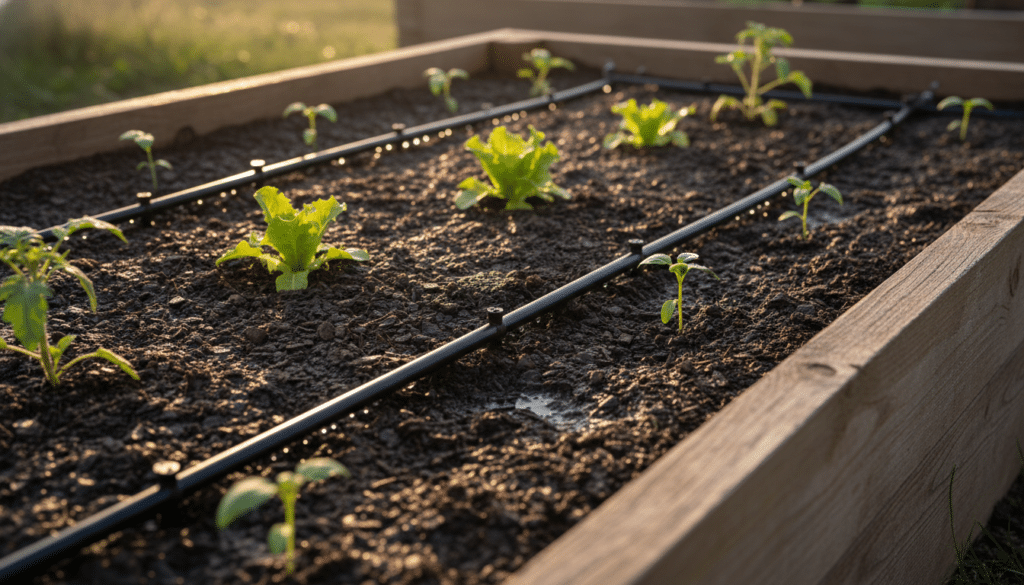
Different setups need different approaches to keep plants happy. For a very small vegetable patch, a simple hose or watering can might be enough to get the job done. However, hauling heavy buckets every time you need to hydrate your garden often leads to frustration and neglect.
If you have raised beds, consider a drip irrigation system for raised bed vegetable garden. These systems deliver water directly to the roots while keeping the foliage dry. This is vital because wet leaves can encourage diseases that damage your vegetable crops.
For large areas, overhead sprinklers on tripods work well because they cover a lot of ground quickly. Just remember to use them early in the morning. This gives the sun a chance to dry the leaves before nightfall, protecting your plants from fungal growth.
How Often and When to Water
Most gardens require about one to two inches of water per week from rain or irrigation. During the peak of summer, you may need to check the soil more frequently to prevent wilting. Plants need extra water when they are actively flowering or producing fruit.
Always place your garden close to a reliable water source to ensure success. Lugging a heavy hose across the yard is a chore that most people eventually skip. By making the process easy, you ensure your vegetable plants stay hydrated even during the hottest summer days.
Setting up an automatic timer is a great way to save water and energy. It allows you to maintain a perfect schedule without having to remember it every single day. Consistent moisture leads to the best flavor and the biggest harvests.
7 Common Beginner Mistakes to Avoid in Your First Garden
While you learn as you go, knowing these common mistakes helps your garden thrive from day one. Most new gardeners struggle with the same hurdles, but you can plan ahead. Preparation is the key to a stress-free season.
Planting too much at once is the top mistake. Your enthusiasm might lead to an oversized garden that feels like a chore. When weeds take over, it becomes a source of stress rather than a hobby.
Don’t start with difficult or exotic crops. It is better to build your skills with easy vegetables before trying more complex plants. Focus on reliability to keep your confidence high as you grow.
Skipping soil preparation is another big error. Your garden needs nutrients to flourish, and poor soil leads to weak growth. No amount of time spent watering can fix bad dirt or missing minerals.
Be careful with the hose, as overwatering kills many plants. Constant moisture creates a pest haven and rots the roots. Always check the soil dampness before you add more water to prevent a pest outbreak.
Avoid planting everything on the same day. This leads to a massive pile of food in early summer followed by empty beds. Use succession planting so you can enjoy a fresh harvest for a much longer period.
Check your sun exposure before you dig. Placing sun-loving crops in the shade results in leggy, unproductive growth. Successful gardeners know that light is the engine of the garden. Finally, keep an eye out for a pest on your leaves and pick your veggies often to encourage more growth.
| Mistake | Negative Impact | Success Strategy |
|---|---|---|
| Over-planting | Overwhelming maintenance | Start with 2-3 easy beds |
| Ignoring Soil | Stunted vegetable growth | Add organic compost annually |
| Overwatering | Root rot and disease | Check soil moisture manually |
| Poor Sunlight | Weak, leggy plants | Confirm 6-8 hours of light |
| Rare Harvesting | Production stops early | Pick mature vegetables daily |
Conclusion
Now that you have a strategic plan, you are ready to transform your yard into a source of food. Learning how to start a vegetable garden from scratch is a rewarding experience. It connects you to every season and provides fresh crops for your table.
Growing a vegetable garden offers the satisfaction of eating lettuce, tomatoes, beans, and cucumbers you grew yourself. A small garden is the best way to begin gardening. You can choose the best edible plants to ensure your summer harvest is a success.
A modest garden provides outdoor exercise and stress relief during the spring. Use this guide and these tips to start your vegetable journey. This way, you can grow vegetable crops in a small garden space. Every year in the garden brings new lessons.
Your first gardening project will be a great success if you start small. The most important part of gardening is creating a plan that works for your unique garden. Enjoy the simple joy of watching your food and healthy vegetables grow in your vegetable garden.
You can use these tips to expand your garden as you gain confidence. Start producing your own food and fresh vegetables today in your vegetable plot. The gardening journey is within your reach, providing garden rewards for your home and health.
