Have you ever wondered if you could stop feeding your greenery every single week and still see amazing results? Imagine giving your garden a steady stream of nutrients without lifting a finger for months at a time. This guide helps you pick the right fertilizer to keep your plants happy and healthy all season long.
We will explore how to enrich your soil and boost plant growth efficiently. Whether you enjoy backyard gardening or tending to pots on a porch, finding the best options saves you time and effort. You’ll discover how consistent nutrition can transform your outdoor space into a thriving oasis.
You will learn to read labels and choose the best organic or synthetic formulas for your specific needs. This simple approach ensures your soil stays rich and your plants stay vibrant. By the end, you will have the confidence to apply these nutrients correctly for maximum results.
Key Takeaways
- Provide consistent nutrition throughout the entire growing season without constant reapplication.
- Identify the core differences between organic and synthetic nutrient options.
- Learn how to accurately read a fertilizer label for your specific crop.
- Master application techniques that prevent the common risk of over-fertilizing.
- Select the perfect formulations for vegetables, flowers, or ornamental displays.
- Save time and labor while delivering superior health to your favorite greenery.
Why Slow-Release Fertilizers Transform Your Garden
Using slow release products transforms your gardening experience by providing a safe and reliable way to feed your plants. These fertilizers measure out and release nutrients in a controlled, “digestible” manner. This prevents the feast-or-famine cycle common with synthetic sprays.
Because most organic options work gradually, they help improve soil structure while feeding your greenery. When your plants grow stronger, they develop better resistance to pests and diseases. This steady supply of nutrients supports consistent growth over several weeks or months.
You will save significant time since you only need to apply these fertilizers once or twice per season. These formulas also work alongside your compost to build a rich, living ecosystem in your soil. This controlled approach is much safer for the environment and overall plant health.
The goal of gardening is not just to feed the plant, but to build the soil that sustains it.
Steady nutrition ensures that your plants develop robust root systems and vibrant foliage. Unlike water-soluble types, slow release formulas won’t leach into local waterways or burn tender roots. This balanced diet results in long-term health and impressive growth for your entire garden.
| Feature | Quick-Release | Slow-Release |
|---|---|---|
| Nutrient Delivery | Immediate Spike | Gradual and Steady |
| Application Frequency | Every 1-2 Weeks | 1-2 Times per Season |
| Risk of Root Burn | High Risk | Very Low Risk |
| Environmental Impact | High Leaching | Eco-Friendly |
Understanding NPK Ratios and What Your Plants Need
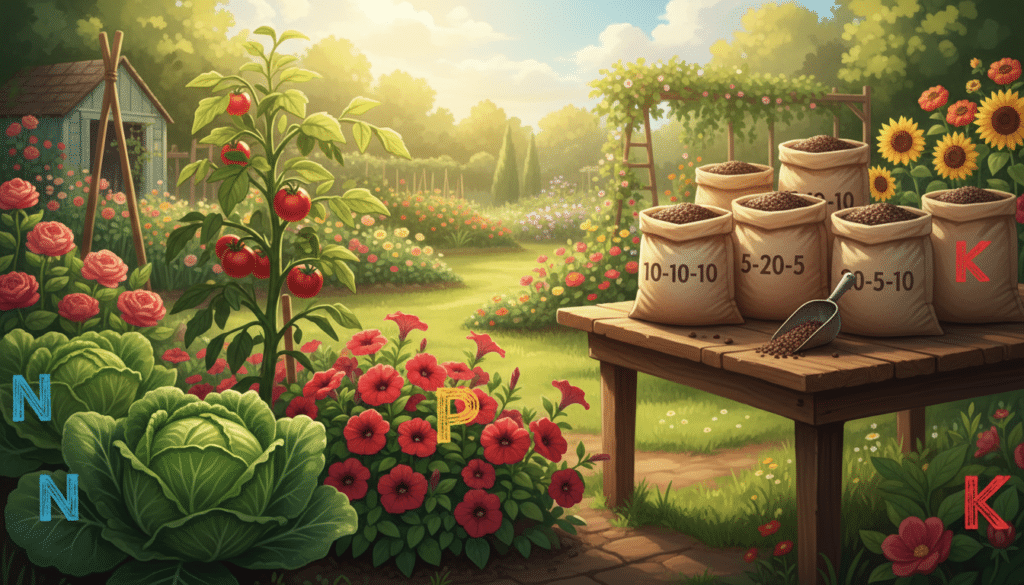
Navigating the garden center is much easier when you grasp the meaning behind the npk ratio. These three numbers act as a map to ensure your garden receives the right balance of every essential nutrient.
Decoding Fertilizer Numbers
When you look at a fertilizer bag, you will see prominent numbers like 3-4-4, 8-24-8, or 12-12-12. These labels represent the exact percentage by weight of nitrogen, phosphorus, and potassium inside the package.
For example, a standard herb and vegetable plant food often uses a balanced 3-4-4 ratio. If you are growing tomatoes, look for a 3-4-6 blend containing calcium to help prevent blossom-end rot.
Nitrogen, Phosphorus, and Potassium Explained
Nitrogen is the first number and it promotes lush, green foliage growth. This element is vital for your leafy vegetables and lawns to look their absolute best.
Phosphorus is the middle number, which is critical for root development and flower production. It helps your plants establish a strong foundation early in the growing season.
Potassium, the final number, improves a plant‘s ability to resist disease and handle stress. It acts like a health insurance policy for every green matter in your garden beds.
Micronutrients and Secondary Nutrients
A high-quality fertilizer usually includes more than just the three main elements. Secondary nutrients like calcium, magnesium, and sulfur support long-term growth and fruit quality.
You may also find micronutrients such as iron, manganese, and zinc in specialized organic or synthetic blends. These small additions ensure your plants have everything they need to flourish throughout the year.
| Nutrient Type | Primary Benefit | Garden Use |
|---|---|---|
| Nitrogen | Leafy Growth | Lawns and Greens |
| Phosphorus | Root Growth | Flowers and Fruit |
| Potassium | Disease Defense | All-Purpose Vigor |
Remember that matching the ratio to your specific garden needs prevents wasting money and resources. By choosing the correct formula, you give your garden the best chance to thrive from spring until frost.
Types of Slow-Release Fertilizers: Organic vs Synthetic Options
When selecting a slow-release product, you will encounter two primary categories: organic options and synthetic formulas. These different types of fertilizers allow you to customize how you feed your garden based on your specific goals.
Some gardeners prefer building long-term soil structure with natural materials. Others choose the high-tech precision of lab-engineered granules for consistent results.
Organic Fertilizer Pellets and Granules
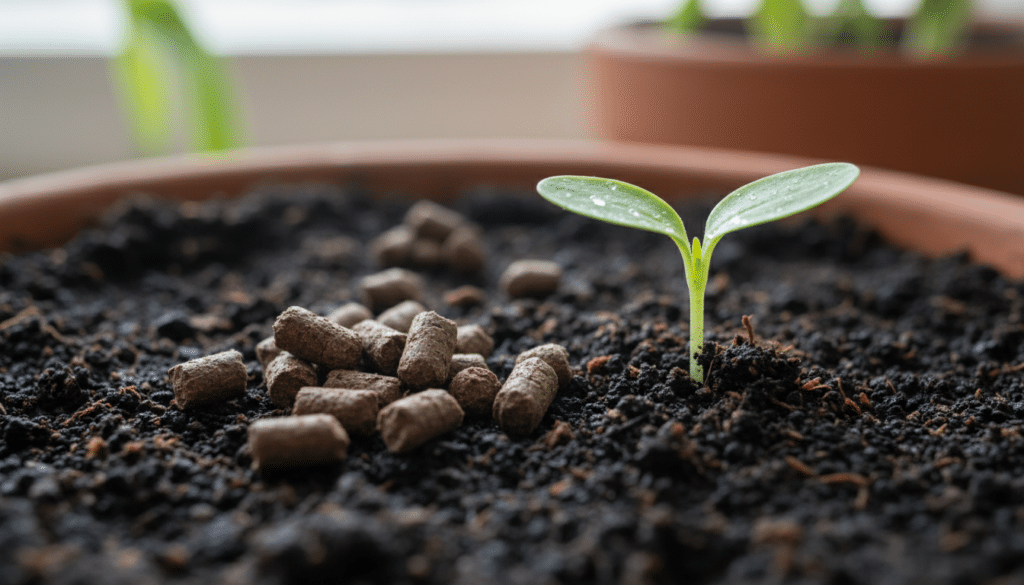
Organic fertilizers include pellets made from natural materials like bone meal and composted plant matter. These materials rely on soil microorganisms to break them down before they can release nutrients to your plant.
This kind fertilizer does double duty by providing food while adding valuable organic matter to the earth. Using this type of fertilizer helps improve the long-term microbial health of your garden beds.
Synthetic Controlled-Release Formulas
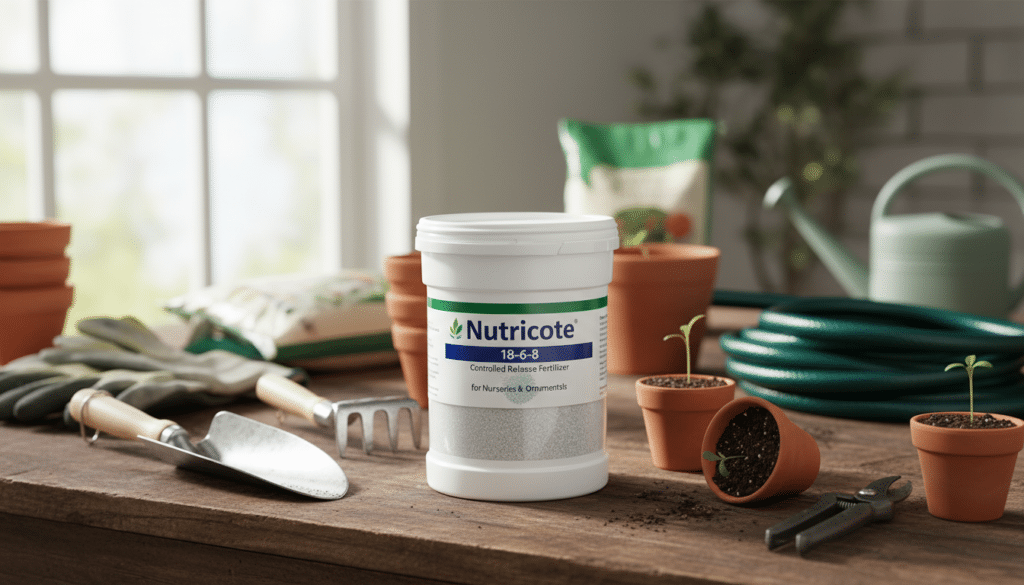
Synthetic fertilizers use advanced polymer coatings to regulate how quickly nutrients reach your greenery. A high-quality choice like Nutricote controlled release fertilizer 18-6-8 provides a steady supply of nutrition for up to 12 months.
These pellets are designed to dissolve slowly based on soil temperature and moisture levels. This makes them a very predictable and convenient choice for a large lawn or busy container gardener.
Comparing Costs and Long-Term Benefits
While a single organic fertilizer might cost more initially, it can improve soil better than most synthetic types. You may find that organic fertilizers reduce the need for frequent applications because they build lasting fertility.
Synthetic products often provide a more cost-effective way to cover a massive lawn area quickly. However, for those focused on sustainability, the natural benefits to the ecosystem often outweigh the upfront price difference.
How to Choose the Best Slow Release Fertilizer for Garden Beds
Selecting the ideal slow release fertilizer for garden beds involves more than just grabbing the first bag you see on the shelf. You must consider the specific nutritional demands of each species to ensure a bountiful harvest or a vibrant display. Each patch of soil has its own personality and requirements.
Your journey toward a lush, productive garden begins with matching the right formula to your specific crop types. Understanding these nuances saves you time and prevents common growing mistakes. Let’s look at how to tailor your feeding schedule for the best results.
Selecting Fertilizer for Vegetables
For your vegetable garden, a balanced formula like a 3-4-4 blend works wonders for general plant health. This ratio provides steady nutrition that helps vegetables thrive without causing excessive leafy development. It ensures your edible crops have the energy they need to produce food rather than just foliage.
Be careful not to over-apply nitrogen-heavy products too early in the season. Too much nitrogen before plants have made considerable growth often delays maturity and reduces your overall yields. Focus on a steady, slow feed to keep the root systems strong and resilient.
Choosing Formulas for Flowers and Ornamentals
When your plants grow in dedicated flower beds, you should look for different types of nutrient balances. Most flowers benefit from higher phosphorus levels, which is the middle number on the bag, to boost bloom production. This shift in nutrients encourages vibrant colors and longer-lasting blossoms throughout the summer.
Unlike lawn products that focus strictly on green blades, this kind fertilizer prioritizes the beauty of the reproductive cycle. It provides the necessary minerals to sustain heavy flowering without burning delicate stems. A consistent supply of phosphorus is the secret to a prize-winning floral display.
Special Considerations for Tomatoes and Heavy Feeders
Tomatoes, peppers, and squash are unique because they are such heavy feeders throughout the season. You should use a 3-4-6 fertilizer ratio that specifically includes added calcium to help prevent blossom-end rot. This specific garden strategy keeps your vegetable patch productive and prevents common fruit defects.
The soil is the great connector of lives, the source and destination of all.
By providing these targeted nutrients, you support the structural integrity of the fruit and the vine. This proactive approach ensures your harvest remains healthy and delicious until the first frost hits.
| Plant Category | Recommended NPK | Key Benefit |
|---|---|---|
| General Vegetables | 3-4-4 | Steady fruit production |
| Flowering Plants | 4-10-6 | Enhanced bloom color |
| Tomatoes/Peppers | 3-4-6 | Prevents blossom-end rot |
| Mixed Ornamentals | 5-5-5 | Balanced foliage health |
Testing Your Soil Before You Fertilize
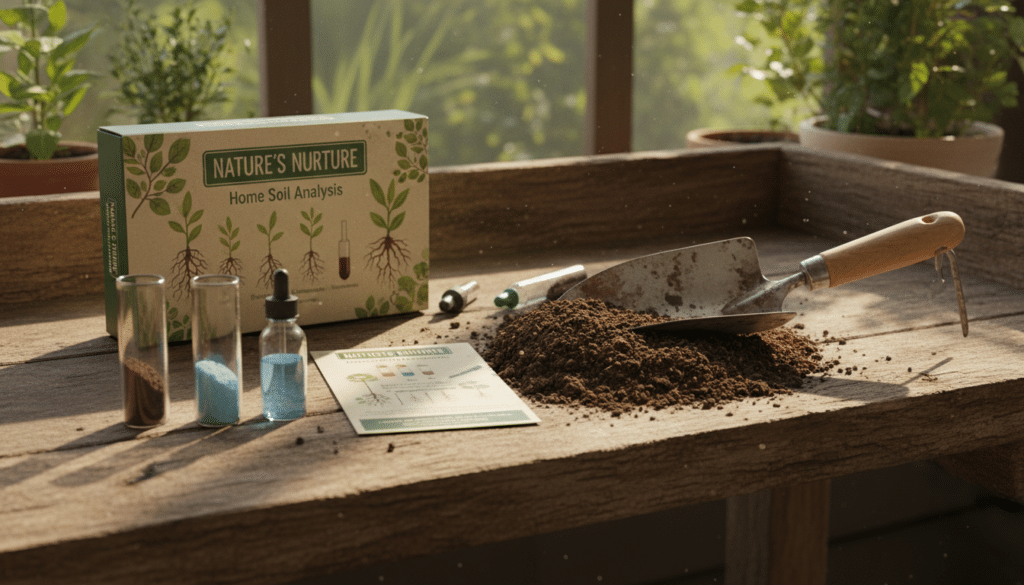
Before you reach for that bag of fertilizer, you should first check what is actually happening under your feet with a reliable soil test. This simple step reveals the exact nutrients your garden already contains.
Testing in the autumn is a smart move for gardeners because it gives you plenty of time to receive results. You can often find a low-cost soil test through your local cooperative extension office.
Why Analysis Prevents Nutrient Toxicity
Applying a heavy amount fertilizer without a plan can actually harm plant growth. If your soil already has high levels of certain elements, adding more can become toxic to roots.
A professional report helps you avoid a wasted application of products you do not need. This protects the environment while ensuring your fertilizer use remains efficient and safe for the season.
Collecting and Submitting Field Samples
To begin, dig four to six inches deep in several spots around your garden beds. Mix the soil together in a clean plastic bucket and submit about one cup of this mixture for a soil test.
This process provides precise data on the organic matter and pH levels present in the ground. You will not need to do this every year; once every three seasons keeps the soil healthy and balanced.
Interpreting Your Nutrient Report
Your report will highlight if your earth is deficient in nitrogen, phosphorus, or potassium. It provides clear instructions on what nutrients to add to reach a basic fertility level for your specific crops.
By understanding these details, you can choose a fertilizer that balances your soil perfectly. A detailed soil test takes the guesswork out of maintaining a lush, vibrant landscape that thrives all year long.
Step-by-Step: Applying Granular Slow-Release Fertilizer to Garden Beds
Transforming your garden starts with a precise application of slow-release nutrients. This process ensures your edible crops and flowers get a steady supply of nutrients over several months. Using a granular fertilizer correctly helps you avoid the common pitfalls of over-feeding.
For most beds, the best time for application is early spring before you begin planting. This allows the nutrients to integrate with the soil ecosystem. If you follow a few simple steps, you can create a thriving environment for all your greenery.
Step 1: Calculate the Correct Amount
Precision is the first rule of feeding your soil. You need to know exactly how much space you are treating before you open the bag.
Measuring Your Garden Area
Start by calculating your total square footage. Most commercial packages provide application rates based on 1,000 square feet. Use a tape measure to get the exact dimensions of your vegetable plots or flower beds.
Following Package Instructions
Once you have your measurements, check the label carefully. Determining the exact amount fertilizer needed prevents nutrient runoff. It also protects your plants from potential chemical burns caused by concentrated salts.
Step 2: Broadcasting and Incorporating Fertilizer
Now that you have the right weight, it is time to spread the product. You want an even layer across the entire garden surface to ensure consistent growth.
Even Distribution Methods
For a large lawn or broad garden bed, a wheeled broadcast spreader works best. For smaller plots, you can scatter the pellets by hand using a systematic pattern. If you are planting new additions, sprinkle the food around the root ball before you backfill with dirt.
Working Fertilizer Into the Top 3-5 Inches
Use a hoe or spade to mix the product into the top 3 to 5 inches of the ground. This step puts the nutrients in direct contact with organic matter. Unlike a liquid fertilizer, which stays near the surface, this method places nutrients exactly where deep roots can reach them.
Step 3: Watering to Activate Nutrient Release
Your final task is to start the release process with moisture. Water helps the fertilizer leach down through the earth to the root zone.
Applying granular fertilizers just before a good rain can be beneficial, as it aids in working the fertilizer down into the soil.
While you might want to boost your tomato seedlings with liquid for an instant hit, granular types require water to begin their controlled release. Aim for a deep soaking immediately after you finish your work. This moisture starts the feeding cycle for your plants and prevents the granules from blowing away.
| Application Method | Best Use Case | Depth Requirement | Primary Benefit |
|---|---|---|---|
| Broadcasting | Large vegetable beds | Top 3-5 inches | Even nutrient coverage |
| Side-Dressing | Established crop rows | Top 1-2 inches | Targeted mid-season feeding |
| Hole Placement | New plant installations | Around root ball | Direct root contact |
| Top-Dressing | Existing perennials | Surface (under mulch) | Minimal soil disturbance |
How to Fertilize Container Plants with Slow-Release Products
Many gardeners find that container plants need a steady supply of nutrients to thrive. This happens because the limited soil volume in a pot loses nutrients faster than in-ground gardens. Using a slow-release product ensures your greenery stays healthy all summer long.
Fertilizing During New Container Planting
When you start a new plant, dig your hole and place the root ball inside. Sprinkle the fertilizer around the base before you backfill with fresh soil. This method distributes the nutrients throughout the pot so the growing greenery can find them.
You can also mix slow-release pellets directly into your potting mix before planting. This initial incorporation ensures the food stays exactly where developing systems need it most. Proper placement encourages strong establishment from day one.
Top-Dressing Established Container Plants
For existing plants, simply sprinkle the recommended amount of fertilizer on the soil surface. You should then scratch the granules lightly into the top inch and water thoroughly. To prevent runoff, you may also dig several small holes around the base and fill them with the granules.
Unlike liquid fertilizer, which you must apply every week, these formulas save you time by feeding for months. This consistent delivery supports better root development and steady growth without sudden spikes. Many people prefer this method because it prevents the nutrient fluctuations that liquid fertilizer often causes.
Adjusting Amounts for Pot Size
Measure your application based on the gallon size of your container. A small 6-inch pot requires much less food than a large 15-gallon tub. Always check your label for specific rates, as these usually differ from in-ground instructions.
| Container Size | Application Amount | Frequency |
|---|---|---|
| 1 Gallon Pot | 1 Tablespoon | Every 4 Months |
| 5 Gallon Pot | 4 Tablespoons | Every 4 Months |
| 15 Gallon Pot | 1/2 Cup | Every 4 Months |
Properly feeding your containers is the secret to a lush patio display that lasts until the first frost.
Timing Your Fertilizer Applications Throughout the Growing Season
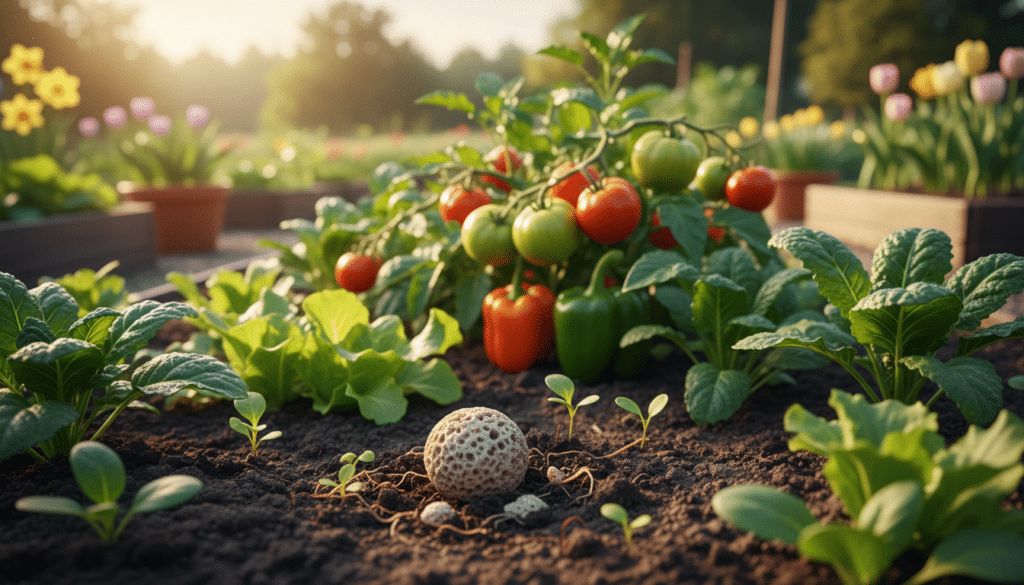
Knowing exactly when to feed your garden can turn a struggling patch into a lush, productive paradise. Your growing season rhythm dictates when your plants are most hungry for nutrients. Proper fertilizer use ensures that your garden has the energy to produce a massive harvest without wasting resources.
Timing your applications correctly makes the difference between average results and truly exceptional performance. You want to match the release of nutrients with the natural growth spurts of your garden. This strategy keeps your soil healthy and your vegetable patch thriving from spring until the first frost.
Spring: When to Start Fertilizing
You should begin your spring applications as soon as the ground thaws and is no longer frozen. Aim to apply your fertilizers about one week before the last expected frost date. This gives the granules time to settle into the soil just as your plants break their winter dormancy.
For edible crops, you should mix the product directly into the soil before you start planting. Early-season vegetables like lettuce, arugula, and kale grow very fast in the cool weather. They need their boost early because they will be ready for your table before the summer heat arrives.
Mid-Season Feeding for Heavy Feeders
As the season warms up, heavy feeders like corn and squash enter a phase of rapid growth. This usually happens in midsummer when the sun is strongest and the plant is expanding quickly. They often deplete the initial soil nutrients and require a second helping to maintain their momentum.
When your tomatoes start to produce flowers, it is time to change your strategy. You should switch to a formula with lower nitrogen but higher levels of potassium and phosphorus. Using bone meal is a great way to support fruit development without causing the plant to grow too many leaves like a lawn.
Which Vegetables Need Side-Dressing
Side-dressing is a technique where you apply extra nutrients to the soil surface next to a growing row. Before you apply more, check the ultimate guide to best organic slow-release for the best product choice. This method works wonders for crops like peppers and eggplants after their first fruit sets.
Sweet corn benefits most when the stalks are 8 to 10 inches tall and again after tassels appear. For brassicas like broccoli and cauliflower, apply more food three weeks after you move them into the garden. Leafy greens like spinach and mustard benefit from a boost when they are about one-third of their final size.
Crops That Don’t Need Extra Nitrogen
Not every vegetable in your garden wants high levels of nitrogen throughout the season. In fact, too much of it can actually harm the harvest of your root crops. You may end up with beautiful green leaves but very small, stunted produce underground.
Avoid adding extra nitrogen to sweet potatoes, watermelons, carrots, and beets. Parsnips and turnips also prefer a leaner soil once they are established. Understanding these specific needs helps you manage your growing season effectively and prevents you from over-treating plants that prefer a light touch.
Proper timing ensures that your garden receives the right nutrients at the exact moment of maximum growth.
| Plant Category | Optimal Feeding Time | Nutrient Focus |
|---|---|---|
| Leafy Greens | Pre-planting in early spring | High Nitrogen |
| Fruit-Bearing (Tomatoes) | After first blossoms appear | High Potassium & Phosphorus |
| Heavy Feeders (Corn) | When 10 inches tall and at tasseling | Balanced Slow-Release |
| Root Vegetables | Initial soil prep only | Low Nitrogen |
Conclusion
You now have the knowledge to cultivate a vibrant, thriving landscape. By applying slow release products, you can transform your garden into a productive space with healthier plants. Understanding NPK ratios and soil testing helps you make smart choices that save money.
These fertilizers improve plant growth without the risk of burning roots or wasting resources. Steady nutrients ensure consistent growth throughout the season for your home gardens. Whether you manage containers or large beds, these gardening techniques lead to better harvests.
Start with a simple test, choose your fertilizer, and watch your plants reach new heights. Using a slow release formula protects your soil while supporting long-term plant growth. You are ready to achieve the lush results that every gardener dreams of seeing.
| Key Benefit | Impact on Your Landscape |
|---|---|
| Continuous Nutrition | Steady Plant Development |
| NPK Balance | Stronger Roots and Blooms |
| Proper Application | Healthier Soil Ecosystem |
